
Pull to refresh
Logo
Iran attacks navigation systems on Omani island in Strait of Hormuz

Iran attacks navigation systems on Omani island in Strait of Hormuz

Force in Play

Three sources confirm the strike; Oman denies damage and the extent remains unverified.

Overview

Updated 57 minutes ago

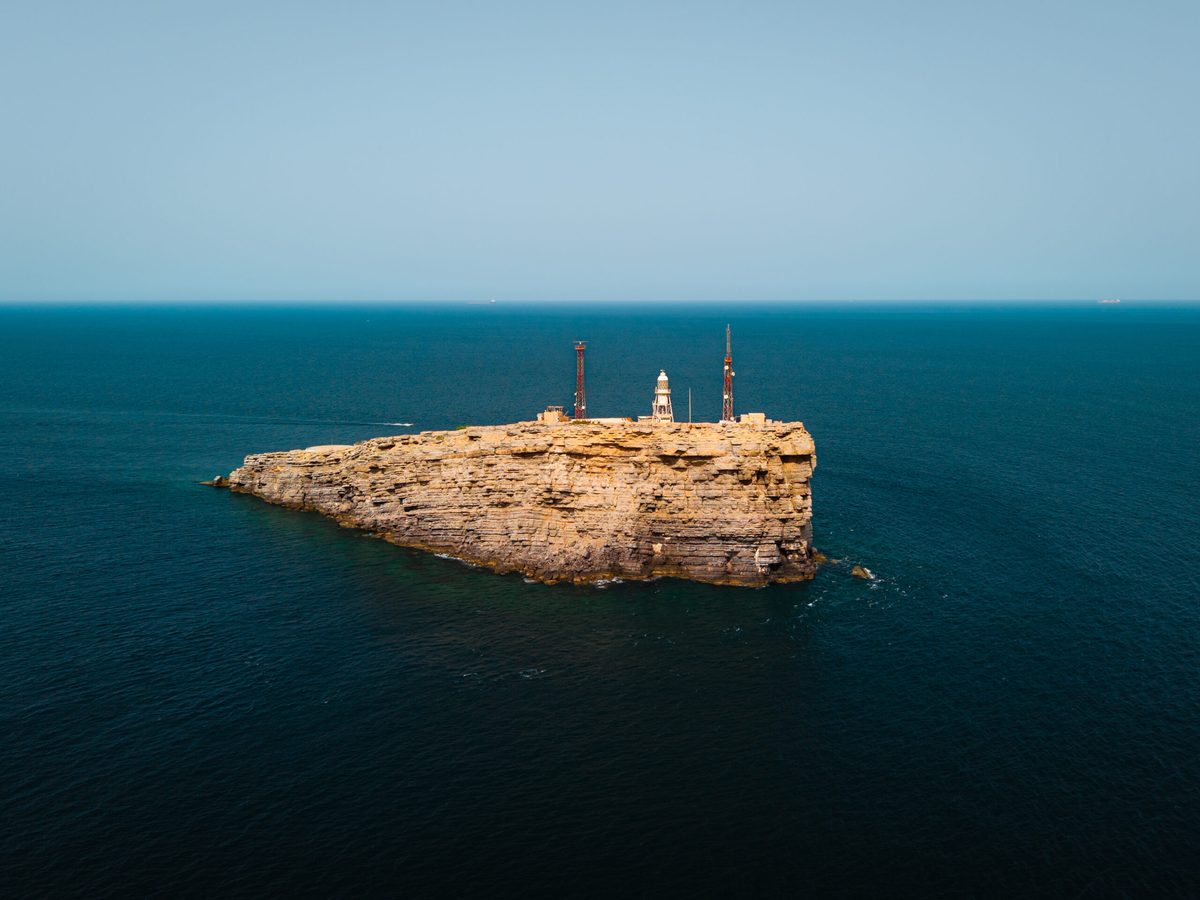
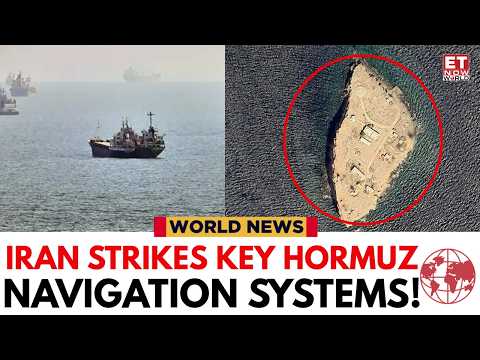
Iran attacked the navigation systems on Didamar Island, a small Omani-held rock in the middle of the Strait of Hormuz, according to three sources cited by Reuters. The island hosts a lighthouse, radar and radio equipment that guide tankers through the strait.

Iran's Revolutionary Guard claimed it destroyed 'enemy navigation systems.' A senior Omani official said the aids were not hit. Satellite imagery from Nov. 10 showed no obvious damage, though an earlier image showed possible scorch marks. The extent remains unverified, but the strike shows Iran can target the shore infrastructure used to keep Gulf oil moving.

Why it matters

A large share of the world's oil moves through Hormuz; attacks on its navigation aids raise insurance and transit risks even when the lights stay on.

Questions about this story

Free account needed to ask — your question is kept and asked for you right after sign-up. Answers are public.

No questions yet — be the first to ask.

Key Indicators

3
Sources confirming the attack
Three sources with knowledge of the matter told Reuters Iran attacked the systems.
80%
Gulf oil exports recovered
Exports recovered to over 80% of pre-war levels in September and October.
2
Competing official accounts
Iran claims the aids were destroyed; Oman says they were not hit.

Voices

Curated perspectives — historical figures and your fellow readers.

Sign up to generate historical perspectives on this story.

Organizations Involved

Timeline

February 2026 November 2026

6 events Latest: Yesterday
Tap a bar to jump to that date
  1. Reuters confirms attack with three sources

    Latest Report

    Three sources confirm Iran attacked the systems; no damage assessment is available.

  2. Oman denies aids were struck

    Statement

    A senior Omani official says Didamar's navigation aids were not hit; imagery shows no obvious damage.

  3. Iran's Fars News claims navigation aids destroyed

    Statement

    Fars says the IRGC destroyed 'enemy navigation aids' on the southern reefs.

  4. Attack hits Didamar navigation equipment

    Attack

    ISW dates the strike to Nov. 8; Sentinel-2 imagery shows scorch marks near radar and radio gear.

  5. Gulf oil exports recover past 80% of pre-war levels

    Economy

    Higher Saudi exports via Yanbu and US-assisted flows help restore volumes.

  6. US-Israeli war with Iran disrupts Hormuz traffic

    Conflict

    Iranian attacks on shipping disrupt transit; the US military begins aiding commercial vessels.

Scenarios

1

Independent assessment confirms damage to Didamar navigation aids

Possible Resolves by End of 2026

Discussed by: Reuters, Institute for the Study of War

Satellite imagery or an on-site assessment confirms that radar, radio or lighthouse equipment was destroyed or degraded. AMMAS or Oman's Royal Navy publishes an aid-status notice or outage period.

2

Oman denial holds and shipping continues without restriction

Likely Resolves by End of 2026

Discussed by: Omani senior official, Maritime Executive

Omani officials and satellite imagery continue to show no significant damage. Commercial traffic through the southern route continues without a verified outage or route restriction.

3

Iran strikes another navigation or shipping target in Hormuz

Possible Resolves by Jan 31, 2027

Discussed by: Maritime security analysts, Reuters

The IRGC conducts another attack on navigation infrastructure or a commercial vessel, expanding the campaign beyond Didamar.

Historical Context

3 moments from history that rhyme with this story — and how they unfolded.

1984–1988

Tanker War (1984–1988)

Iran and Iraq attacked hundreds of oil tankers in the Gulf during their war. The United States reflagged Kuwaiti tankers and launched Operation Earnest Will to escort them.

Then

Convoy escorts and a larger US naval presence in the Gulf.

Now

Established the pattern that attacks on Gulf shipping draw in external navies and raise insurance costs.

Why this matters now

Iran's strike on Didamar targets the same kind of navigation infrastructure that keeps tankers moving through Hormuz.

May–June 2019

Gulf of Oman tanker attacks (2019)

Limpet mines damaged four tankers near the Strait of Hormuz. The US blamed Iran; Iran denied involvement.

Then

Heightened security and escort operations; insurance premiums rose.

Now

Showed that attacks on shipping can raise risk without closing the strait.

Why this matters now

The Didamar strike follows the same logic: target navigation and shipping infrastructure to raise costs without a full blockade.

July 2019

Stena Impero seizure (2019)

Iran's Revolutionary Guard seized the British-flagged tanker Stena Impero in the Strait of Hormuz. The UK called it a hostile act.

Then

A two-month standoff; the tanker was released in September 2019.

Now

Demonstrated Iran's willingness to use Hormuz shipping as leverage in wider disputes.

Why this matters now

The Didamar attack is another example of Iran using the Strait as a pressure point.

Sources

(7)