
Pull to refresh
Logo
Iran strikes US base in Bahrain as talks stall

Iran strikes US base in Bahrain as talks stall

Force in Play

A second drone attack on Bahrain in three days tests a fragile pause in a nine-month regional war.

Overview

Updated 39 minutes ago

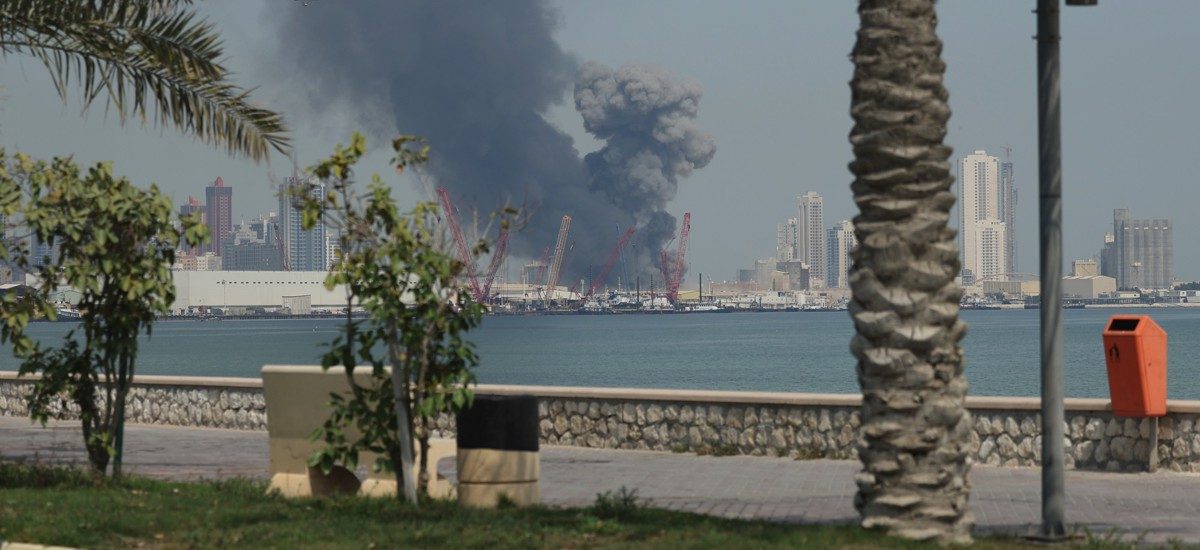
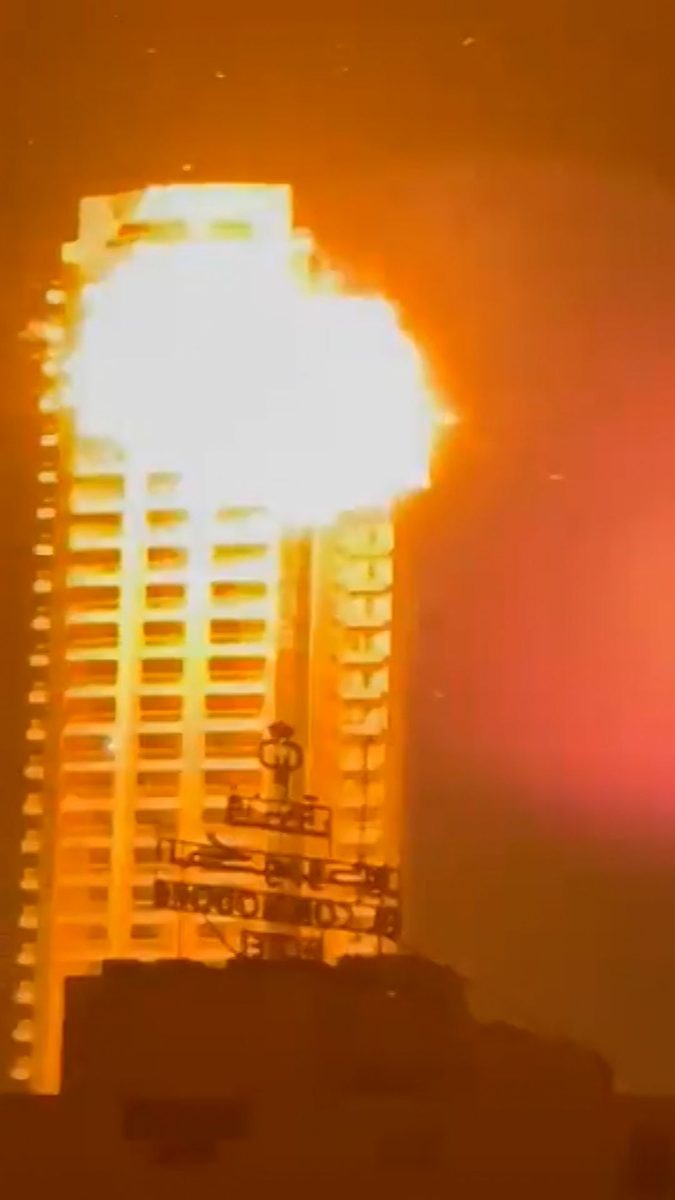
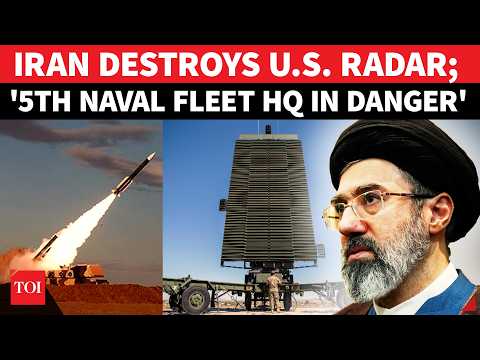
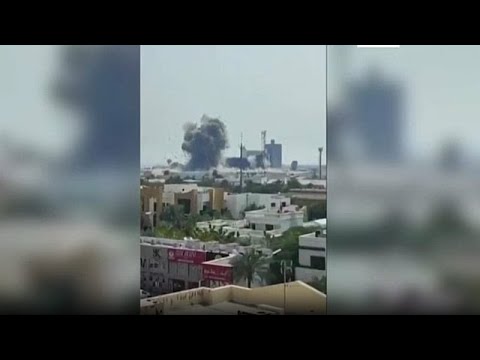
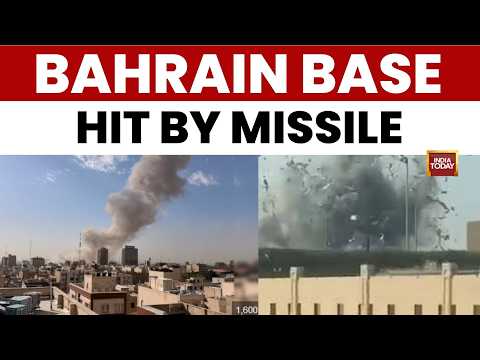
Iran fired six drones at a US air-defense radar at Bahrain's Al-Rifaa helicopter base on Sunday, the second such attack in three days. Bahrain's air defenses intercepted the drones, and US Central Command disputed that the radar was hit.

The strikes end months of quiet in Iran's targeting of Bahrain and land as negotiations with Washington have stalled. Bahrain hosts the US Navy's Fifth Fleet, so each attack tests whether a nine-month regional war stays contained or pulls the Gulf states in.

Why it matters

Bahrain hosts the US Navy's Fifth Fleet, so each drone aimed at the island tests whether a nine-month war stays contained.

Questions about this story

Free account needed to ask — your question is kept and asked for you right after sign-up. Answers are public.

No questions yet — be the first to ask.

Key Indicators

6
Drones launched at Al-Rifaa base
The IRGC said it fired six drones at a US air-defense radar on November 15.
2
Iranian attacks on Bahrain in three days
Strikes on Friday and Sunday ended months of relative quiet.
9 months
Duration of the regional conflict
The war is roughly nine months old as of mid-November 2026.

Voices

Curated perspectives — historical figures and your fellow readers.

Sign up to generate historical perspectives on this story.

People Involved

Organizations Involved

Timeline

February 2026 November 2026

5 events Latest: Today
Tap a bar to jump to that date
  1. Iran fires six drones at Al-Rifaa base

    Today Military

    IRGC says it struck a US radar; Bahrain intercepts the drones.

  2. Gulf states condemn the strikes

    Today Diplomacy

    Saudi Arabia, Qatar, Jordan and Egypt condemn Iran's attacks on Bahrain.

  3. Iran resumes attacks on Bahrain

    Military

    After months of quiet, Iran targets Bahrain, saying it hit US early-warning radar.

  4. US hits Qeshm Island

    Military

    US strikes targets on Qeshm Island in the Strait of Hormuz; Trump calls them minor.

  5. Regional war begins

    Conflict

    War starts; Iran strikes Bahrain with waves of drones and missiles in its opening months.

Scenarios

1

Exchanges stay limited, no wider war

Likely Resolves by Feb 15, 2027

Discussed by: Reuters, citing US officials; an Israeli analyst writing on X

Iran keeps launching small, calibrated strikes at US assets in the Gulf while avoiding mass casualties, and Washington answers with limited hits. Both sides use the exchanges as leverage in stalled talks rather than a prelude to full war.

2

Strait of Hormuz closes, oil prices spike

Possible Resolves by Feb 15, 2027

Discussed by: CNN, citing Gulf officials; an Israeli analyst on X

Iran, squeezed by a US blockade and sanctions, tries to choke Gulf oil and gas exports through the Strait of Hormuz. Tanker traffic halts or insurers pull coverage, and oil prices jump.

3

Negotiated pause holds

Uncertain Resolves by Jan 15, 2027

Discussed by: US and Iranian officials; Reuters

Washington and Tehran return to talks and agree to a pause in strikes, freezing the conflict without resolving it. Trump's stated willingness to hold off if not provoked further is the opening.

Historical Context

3 moments from history that rhyme with this story — and how they unfolded.

1984–1988

Tanker War (1984–1988)

During the Iran-Iraq war, both sides attacked oil tankers in the Gulf. The US reflagged Kuwaiti tankers in 1987 under Operation Earnest Will and fought naval clashes with Iran.

Then

US escorts protected reflagged tankers and the Navy exchanged fire with Iranian forces.

Now

The episode established the US Navy as the guarantor of Gulf shipping and made the Strait of Hormuz a permanent flashpoint.

Why this matters now

Today's strikes target the same Gulf chokepoint and the same US naval presence that the Tanker War cemented.

September 2019

Abqaiq–Khurais attack (2019)

Drones and missiles struck Saudi Aramco's Abqaiq and Khurais facilities on September 14, 2019, briefly halving Saudi oil output. The US blamed Iran, which denied involvement.

Then

Oil prices spiked, but Washington did not mount a direct military response.

Now

The attack showed drones could hit Gulf energy infrastructure and that Iran could strike US partners without triggering full war.

Why this matters now

Iran's current drone campaign against Gulf states follows the same calibrated model: hit US partners, avoid mass casualties, raise the cost of pressure.

January 2020

Ain al-Asad missile strike (2020)

After the US killed Iranian general Qassem Soleimani, Iran fired ballistic missiles at US bases in Iraq on January 8, 2020. Iran gave warning, and no US service members were killed.

Then

Both sides stepped back; Washington did not retaliate militarily.

Now

The strike set a template for Iran retaliating against a US killing by hitting a base in a third country while leaving room to de-escalate.

Why this matters now

The Bahrain strikes fit that pattern: retaliation against US actions, aimed at military infrastructure, with signals that escalation is bounded.

Sources

(8)