
Pull to refresh
Logo
Iran claims two more US drone kills over the Strait of Hormuz

Iran claims two more US drone kills over the Strait of Hormuz

Force in Play

The Revolutionary Guard says it has now downed 58 Reapers and 19 MQ-1s since February, as two tankers were struck off Oman and talks stay stalled

Overview

Updated 1 hour ago

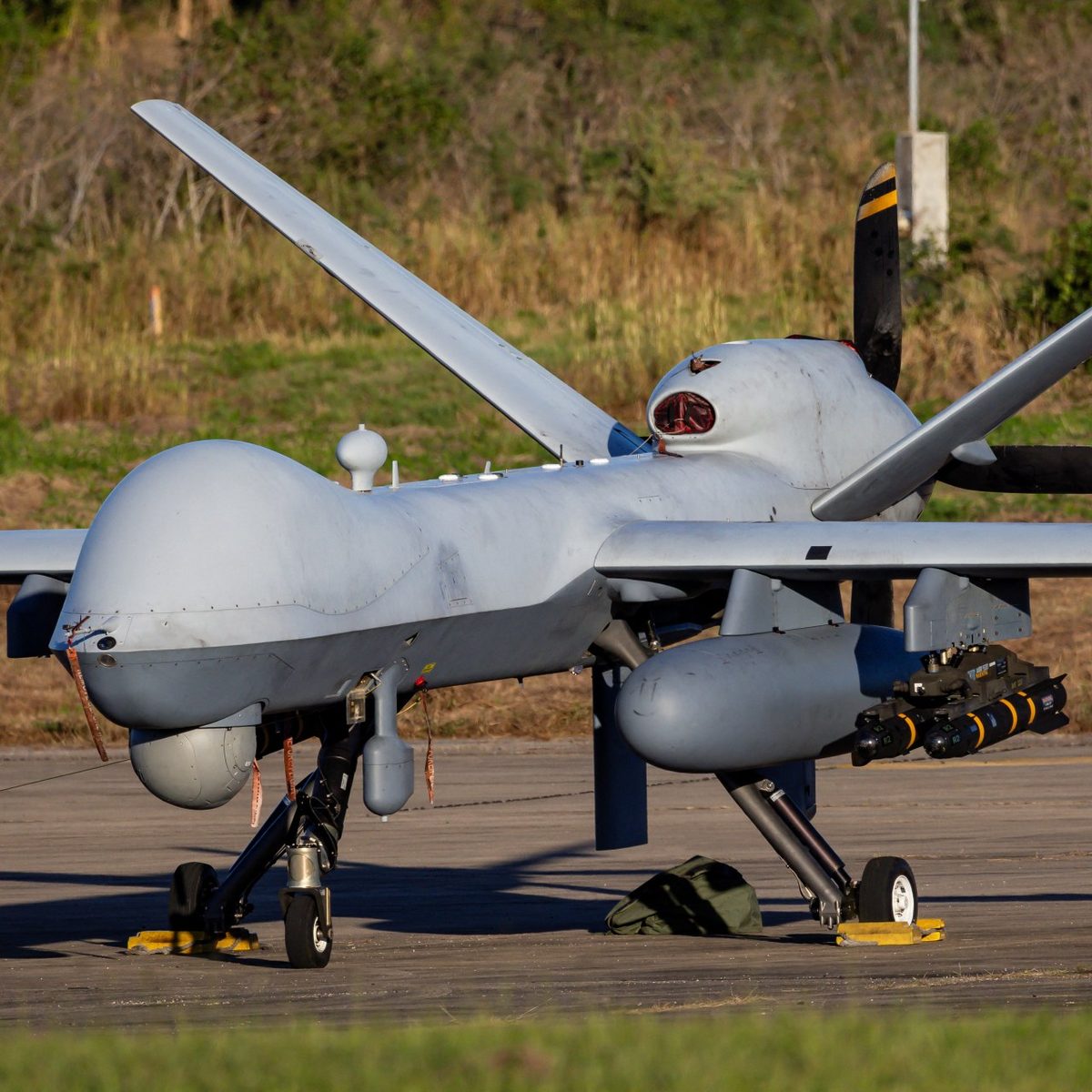
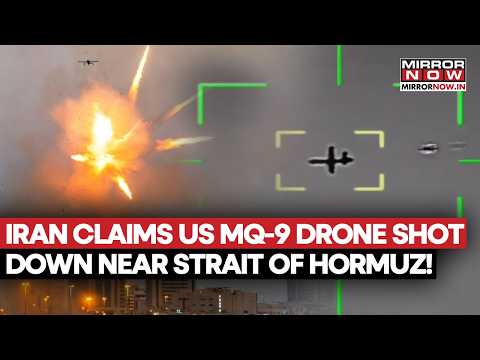
Iran's Revolutionary Guard said Saturday it shot down two American drones over the Strait of Hormuz. The Guard credited a new air defense system with hitting an MQ-9 Reaper, then said it brought down a smaller MQ-1 near Qeshm Island.

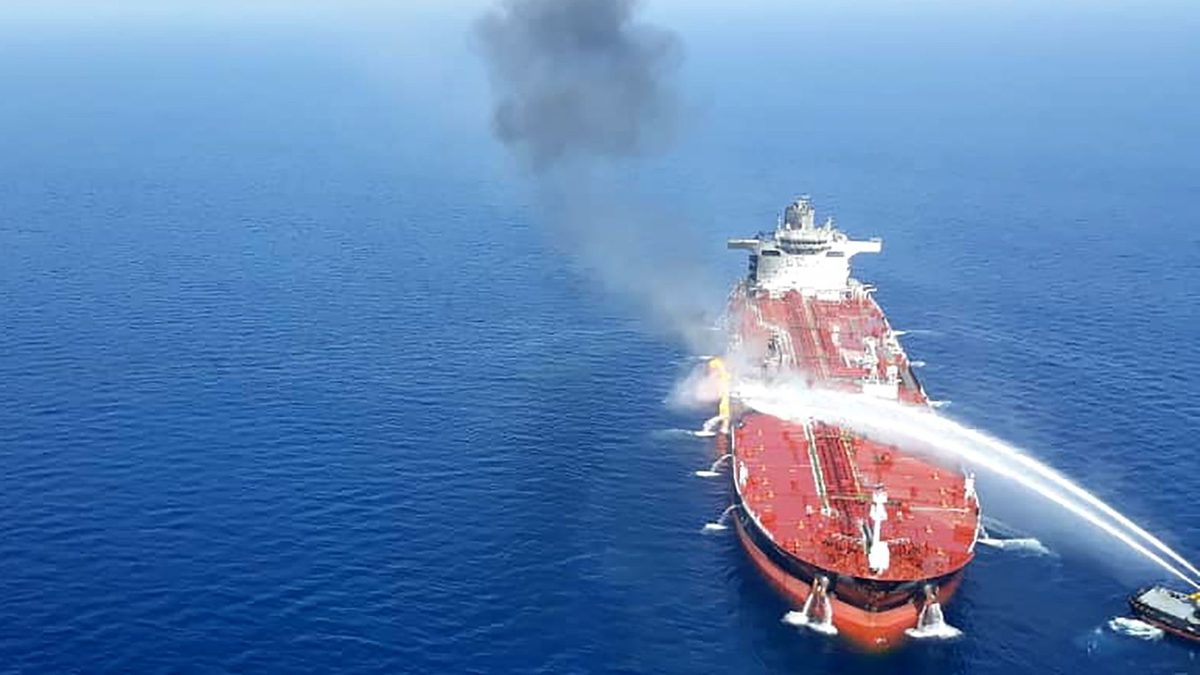
Iran says those are the 58th Reaper and 19th MQ-1 it has downed since the war began on February 28. Two oil tankers leaving the Strait were hit by unidentified projectiles off Oman the same morning. Nine months in, the conflict has settled into what Iran's foreign minister calls "no war, no peace."

Why it matters

A fifth of the world's oil and gas passed through Hormuz in peacetime. Nine months of attacks there have pushed global energy prices up.

Questions about this story

Free account needed to ask — your question is kept and asked for you right after sign-up. Answers are public.

No questions yet — be the first to ask.

Key Indicators

58
MQ-9 Reapers Iran claims to have downed
The Revolutionary Guard's count since the war began on February 28, 2026.
19
MQ-1 drones Iran claims to have downed
Iran's tally of the smaller Predator-type drone.
45
US MQ-9s lost by August 2026
Figure reported by The Washington Post and cited by Al Jazeera.
25%
Share of the US MQ-9 fleet those losses represented
About one quarter of the fleet, at a cost above $1.3bn.
$1.3B
Cost of the lost Reapers
Reported cost of the drones lost in combat operations over Iran.
20%
Share of world oil and gas through Hormuz in peacetime
About one fifth of global oil and gas moved through the Strait before the war.

Voices

Curated perspectives — historical figures and your fellow readers.

Sign up to generate historical perspectives on this story.

People Involved

Organizations Involved

Timeline

February 2026 November 2026

11 events Latest: Today Showing 8 of 11
Tap a bar to jump to that date
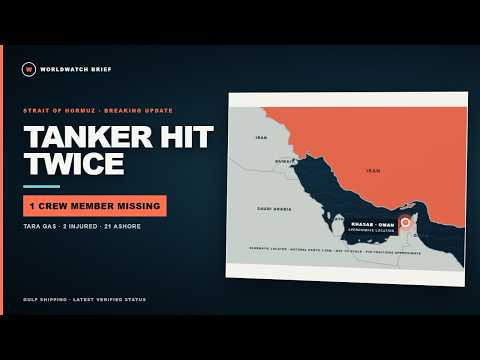
  1. Tanker hit by projectile off Khasab

    Today Shipping

    UKMTO reports an outbound tanker struck on the stern 11 nautical miles north of Khasab, Oman.

  2. Second tanker struck off Oman

    Today Shipping

    A second outbound tanker is hit in the engine room 17 nautical miles east of Khasab.

  3. Iran claims two US drones downed

    Today Military

    The Revolutionary Guard claims an MQ-9 with a new air defense system and an MQ-1 over Qeshm Island.

  4. Araghchi sets Hormuz terms; Trump rejects them

    Diplomacy

    Iran's foreign minister demands an end to the war, sanctions and the blockade; Trump calls the offer unacceptable.

  5. Treasury sanctions four Iranians

    Sanctions

    The Treasury names four alleged "oil trustees" accused of handling Iranian oil revenue.

  6. Iran delivers seven-point proposal

    Diplomacy

    Araghchi later says the proposal's seven conditions must be met for the Strait to reopen.

  7. Report: US has lost 45 Reapers

    Report

    The Washington Post reports 45 MQ-9s destroyed, about a quarter of the fleet and over $1.3bn.

  8. Shipping attacks resume

    Conflict

    Disagreements over freedom of navigation in the Strait restart periodic attacks.

  9. US and Iran sign memorandum of understanding

    Diplomacy

    The pact covers navigation in the Strait, Iran's nuclear programme and sanctions, but is never fully implemented.

  10. US begins blockade of Iranian ports

    Military

    Central Command says it will block sea traffic to and from Iranian ports and waters.

  11. US and Israel launch war on Iran

    Conflict

    The war begins; Iran retaliates with attacks on US assets and on shipping in the Strait of Hormuz.

Scenarios

1

Deal signed, Hormuz reopens to unrestricted shipping

Possible Resolves by Q2 2027

Discussed by: Iranian Foreign Minister Abbas Araghchi, who calls the timetable flexible, and President Donald Trump, who says Tehran wants a deal but has not offered an acceptable one

Iran's seven conditions become the frame of a bargain: end the war, lift sanctions, end the naval blockade, keep the enriched uranium in country. If Washington accepts face-saving confidence-building steps, the Strait reopens and the drone and tanker attacks stop. Both sides have publicly kept the door open while calling the other's terms unacceptable.

2

No ceasefire: the war passes its first anniversary

Likely Resolves by Feb 28, 2027

Discussed by: Araghchi, who called "no war, no peace" undesirable but preferable to terms that hand the other side a victory

The memorandum of understanding stays unimplemented. Drone shootdowns, projectile strikes on tankers and tit-for-tat raids continue at the current tempo without either side mounting a full campaign. Shipping keeps rerouting, insurance keeps climbing, and both governments keep the conflict below the threshold that would force a decision.

3

Congress stops paying for offensive operations against Iran

Unlikely Resolves by Jan 31, 2027

Discussed by: Representatives Ro Khanna and Yassamin Ansari, who are urging colleagues to reject any spending bill that funds the war

The December 11 funding deadline gives war opponents leverage. If enough Democrats hold out, an appropriations law could bar money for offensive operations while leaving defensive and naval-escort missions funded. The risk of a shutdown has made some in the party reluctant to draw that line.

Historical Context

3 moments from history that rhyme with this story — and how they unfolded.

1984-1988

The Tanker War (1984-1988)

Iran and Iraq attacked hundreds of merchant ships in the Gulf during their war. In 1987 the US reflagged Kuwaiti tankers and escorted them under Operation Earnest Will. In July 1988 the USS Vincennes shot down Iran Air Flight 655, killing all 290 people aboard.

Then

Iran accepted a United Nations ceasefire resolution the same month.

Now

Escorting Gulf shipping became a standing US naval mission, along with the recognition that identification errors in the Strait kill civilians.

Why this matters now

The current blockade and projectile strikes revive the same escort-and-attrition problem in the same waterway, with drones replacing mines as the cheap interdiction tool.

June 2019

Iran downs a US Global Hawk (June 2019)

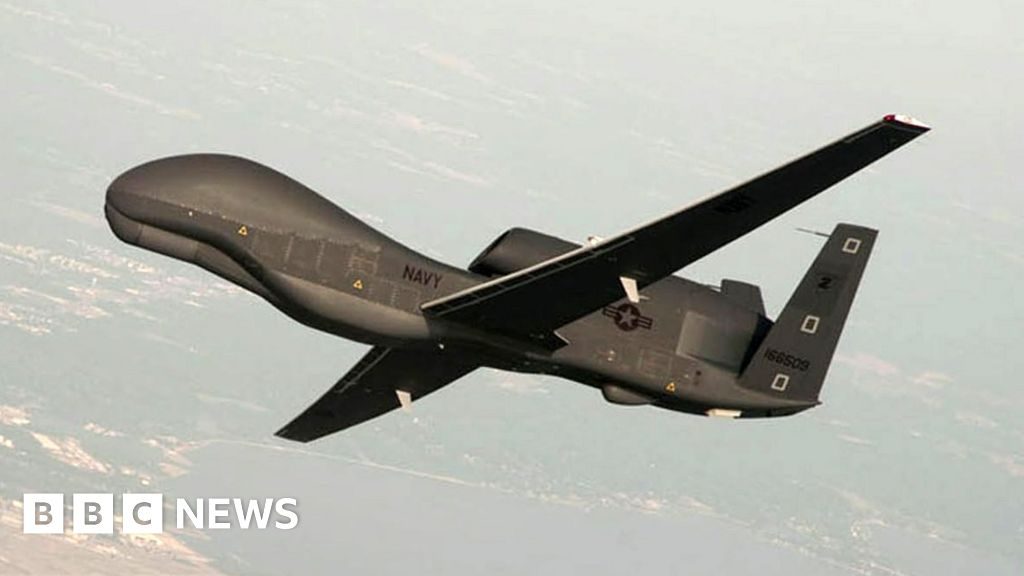
The Revolutionary Guard shot down a US Navy RQ-4 Global Hawk over the Strait of Hormuz. President Trump ordered retaliatory strikes, then called them off hours before they launched, citing the expected casualty count.

Then

Washington answered with new sanctions rather than firepower.

Now

The episode set an informal ceiling: a single drone loss would not trigger direct retaliation.

Why this matters now

Iran has now claimed dozens of drone kills without drawing the sustained US escalation that a manned aircraft loss would likely produce.

July 2015

The Iran nuclear deal (July 2015)

Iran agreed to caps on uranium enrichment and to shipping most of its enriched stock abroad, in exchange for relief from nuclear-related sanctions. The US withdrew in 2018 and reimposed sanctions.

Then

Iran kept complying for a year, then began exceeding the deal's enrichment limits.

Now

The deal's architecture, sanctions for enrichment limits and stocks shipped out of the country, remains the reference point for later negotiations.

Why this matters now

Araghchi's refusal to send Iran's 60 percent enriched uranium abroad rejects the central mechanism of the 2015 deal, narrowing what a new agreement could look like.

Sources

(6)