
Lebanon nationwide blackout (2021)
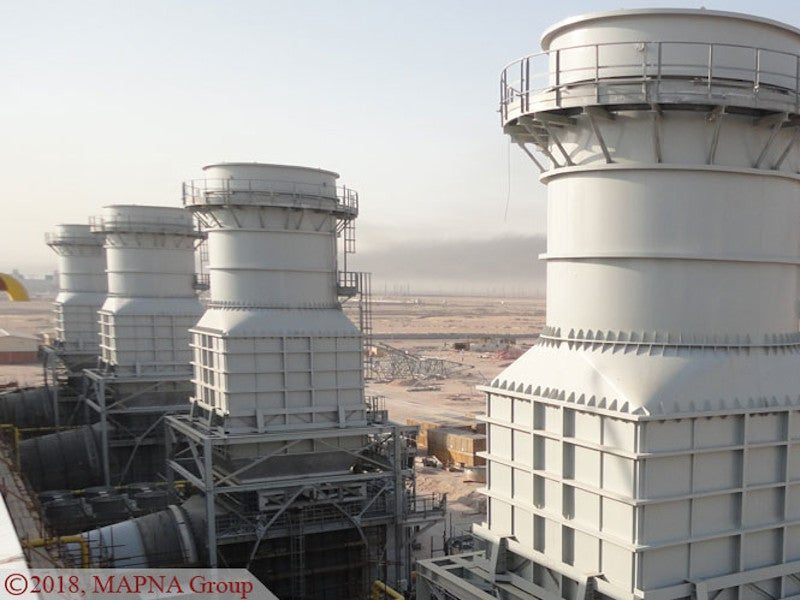
Lebanon's two largest power plants, Zahrani and Deir Ammar, shut down after running out of diesel fuel amid a financial crisis that had collapsed the Lebanese pound by over 90 percent. The entire country of 6 million lost centrally generated electricity for 24 hours. The army eventually supplied emergency fuel to restart generators.
Power was partially restored within a day after military fuel deliveries, but blackouts of 22 hours per day became routine for months afterward.
Lebanon's grid never fully recovered. As of 2024, state electricity still provided only a few hours per day in most areas, with private generators filling the gap at high cost. The crisis deepened inequality as wealthier households could afford generator subscriptions while poorer families could not.
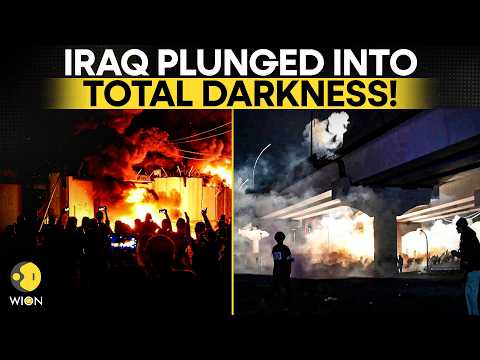
Like Iraq, Lebanon's grid failure was driven by a fuel supply crisis rooted in a broader economic and political collapse rather than direct physical damage. Both cases show how energy dependence on external supplies creates a single point of failure for entire national grids.