
Pull to refresh
Logo
Iraqi forces enter Jurf al-Sakhar under deal with Kata'ib Hezbollah

Iraqi forces enter Jurf al-Sakhar under deal with Kata'ib Hezbollah

Force in Play

A joint command puts army and police inside a town the militia has held since 2014, with the group's withdrawal partial and disputed

Overview

Updated 1 hour ago

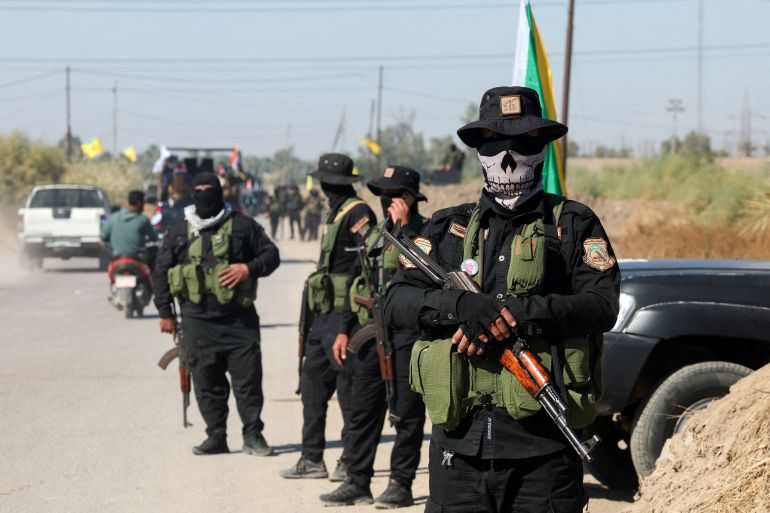
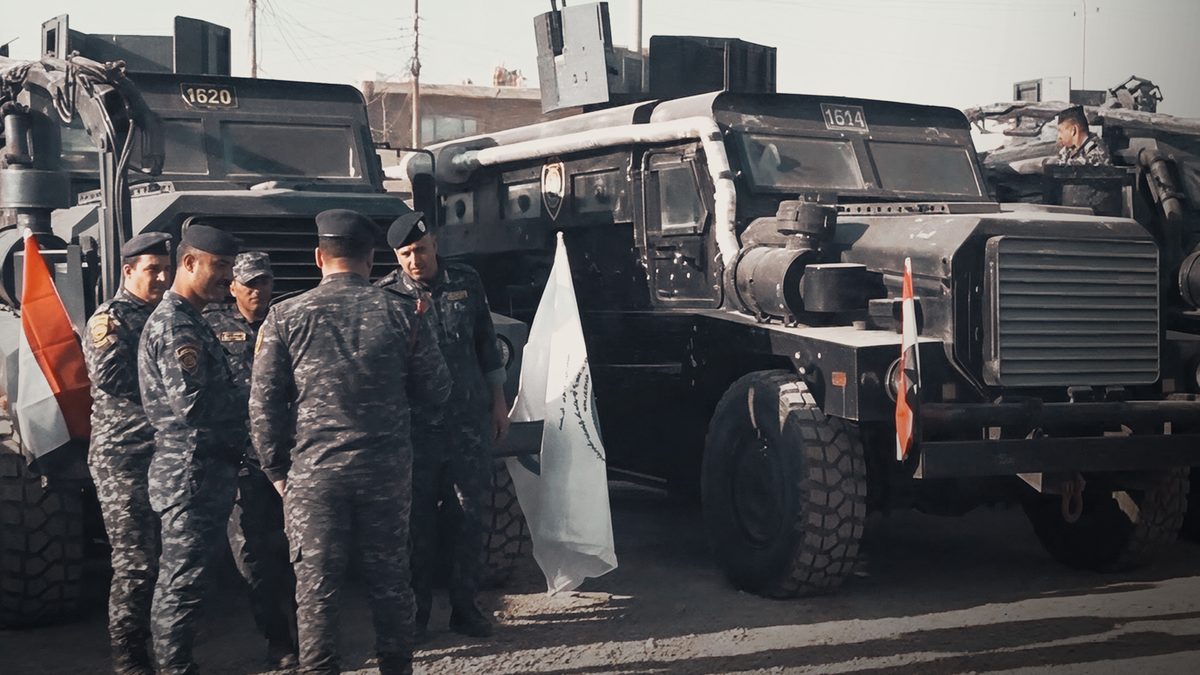
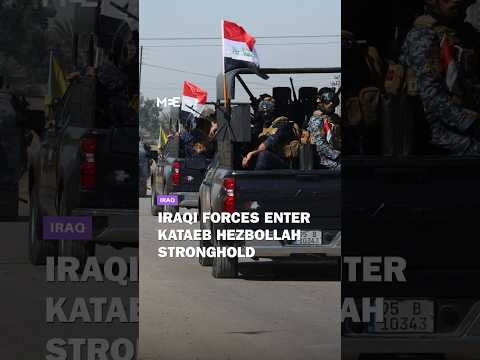
About 100,000 people from Jurf al-Sakhar have been unable to go home since 2014. On 20 November, Iraqi army and police units entered the town under a deal with the militia that has run it, Kata'ib Hezbollah.

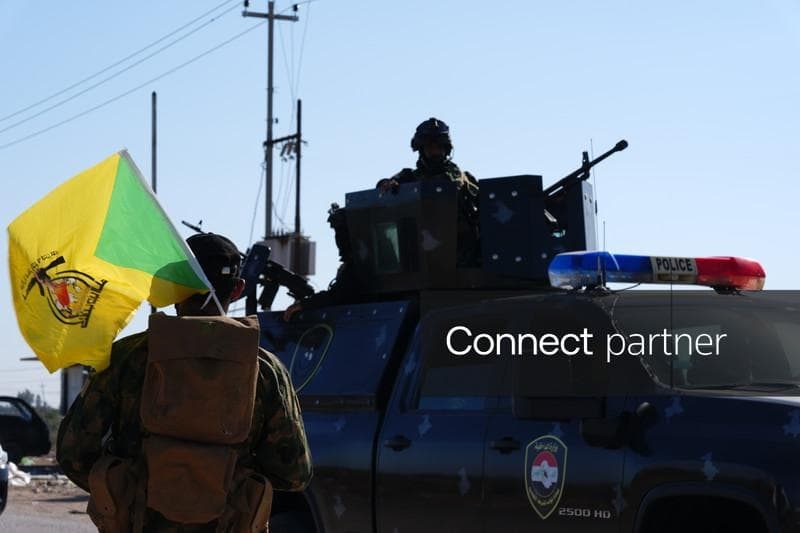
The deal followed an oil-smuggling investigation that gave Prime Minister Ali al-Zaidi a reason to move against the enclave. State forces are now inside a town they have not held since 2014. Kata'ib Hezbollah's brigades remain, under the flag of the Popular Mobilisation Forces.

Why it matters

A workable model lets Iraq's prime minister move state forces into armed groups' enclaves without a battle. A failed one leaves the enclaves intact.

Questions about this story

Free account needed to ask — your question is kept and asked for you right after sign-up. Answers are public.

No questions yet — be the first to ask.

Key Indicators

100,000
Residents still displaced
Sunni families barred from returning since the 2014 recapture, according to Crisis Group.
12 years
Time outside regular state control
State forces last held the sub-district after retaking it from ISIS in October 2014.
60 km
Distance from Baghdad
The town sits on the Euphrates, on a route leading to the shrine city of Karbala.
9
Officials dismissed
Zaidi removed senior security and oil officials for negligence after the smuggling inquiry.
3
Kata'ib Hezbollah-affiliated PMF brigades
Brigades 45, 46 and 47 remain part of the PMF, its deputy chief of staff for operations said.

Voices

Curated perspectives — historical figures and your fellow readers.

Sign up to generate historical perspectives on this story.

People Involved

Organizations Involved

Timeline

October 2014 November 2026

7 events Latest: Yesterday
Tap a bar to jump to that date
  1. Army and police units enter under a negotiated deal

    Latest Deployment

    Senior Shi'ite political leaders brokered the deal. It sets up a joint operations center and divides the sub-district among four security bodies.

  2. Kata'ib Hezbollah denies it is withdrawing

    Statement

    Reports said two of its battalions were leaving each day, a process expected to run about a month.

  3. Zaidi orders forces in and sets a February withdrawal deadline

    Order

    His spokesperson named the army, federal police, energy police and two PMF brigades; reinforcements moved to the area.

  4. Ali al-Zaidi takes office as prime minister

    Politics

    He makes integrating autonomous armed groups under state command a priority.

  5. State forces and Hashd retake Jurf al-Sakhar from ISIS

    Conflict

    It was one of the first areas Shi'ite forces recaptured. Its mainly Sunni residents were barred from returning.

Scenarios

1

Iraqi army and police hold Jurf al-Sakhar through 2027

Possible Resolves by Q2 2027

Discussed by: Iraqi government statements; Crisis Group

The joint command stays, energy police keep the pipelines, and Kata'ib Hezbollah's fighters do not return to the central sub-district after the February deadline. This is the outcome Zaidi's office is selling: a template for moving state forces into other armed-group enclaves.

2

Kata'ib Hezbollah keeps its grip through PMF brigades

Likely Resolves by Feb 20, 2027

Discussed by: Crisis Group; The National

The group's fighters stay in the central area where the 72nd and 79th PMF brigades are deployed, and Brigades 45, 46 and 47 remain intact. The state gets a command post. The group keeps the ground.

3

Confrontation replaces the deal in Babil

Unlikely Resolves by End of 2027

Discussed by: Crisis Group, which cites past armed confrontations as cautionary tales

Talks stall, Kata'ib Hezbollah digs in, and state forces try to move into the central area by force. Past episodes of this kind have gone badly for the government that started them.

Historical Context

3 moments from history that rhyme with this story — and how they unfolded.

June-October 2014

Jurf al-Sakhar and the war against ISIS (2014)

ISIS took the town on the Euphrates and used it as a staging point on the road to Karbala. State forces and the newly formed Hashd recaptured it in October. The mainly Sunni population fled and was barred from returning.

Then

The recapture was one of the first victories Shi'ite forces claimed over ISIS, and the town was renamed Jurf al-Nasr.

Now

The armed groups that took charge in 2014 never handed the area back to regular state forces. About 100,000 residents remain displaced.

Why this matters now

The 20 November deployment is the first time since 2014 that army and police units have entered.

March-May 2008

Operation Charge of the Knights in Basra (2008)

Prime Minister Nouri al-Maliki sent Iraqi army units into Basra to disarm Muqtada al-Sadr's Mahdi Army. The offensive stalled at first, and fighting spread to Baghdad's Sadr City.

Then

A ceasefire brokered in Iran ended the fighting in May 2008.

Now

The militia kept its weapons and Sadr's movement stayed in politics. The confrontation ended in a negotiated stand-down, not disarmament.

Why this matters now

Zaidi's deal follows the same shape: state forces move in, and the group keeps its weapons and its political role.

December 2024

Fall of the Assad regime in Syria (2024)

Syrian opposition forces took Damascus and Bashar al-Assad fled, ending his rule. Kata'ib Hezbollah had used Jurf al-Sakhar as a conduit for arms transfers to Syrian forces before that.

Then

The land route the group relied on no longer had a destination.

Now

The town's value as a transshipment point fell, changing what the group gives up if it pulls out.

Why this matters now

It helps explain why a negotiated pullback was available in 2026 and not in earlier years.

Sources

(11)