

Pull to refresh
Logo
Kata'ib Hezbollah suspends military operations after US withdrawal from Iraq

Kata'ib Hezbollah suspends military operations after US withdrawal from Iraq

Force in Play

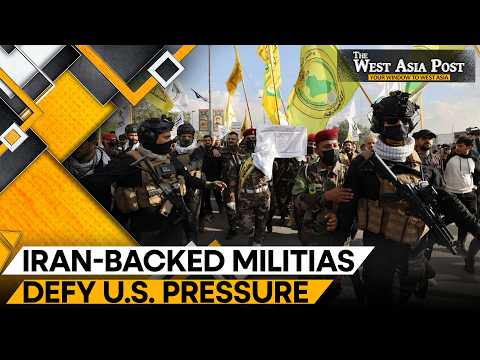
Iran-backed militia halts attacks but refuses to disarm, setting up a standoff with Baghdad

2 days ago: Kata'ib Hezbollah announces suspension of military operations

Overview

Updated 1 hour ago

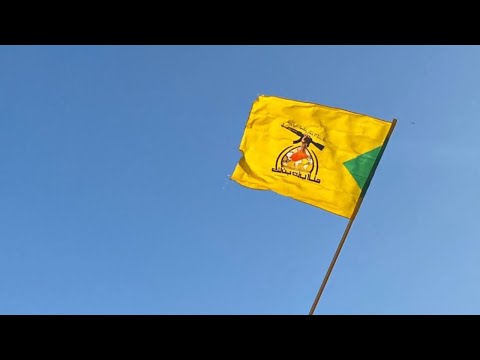
The last US troops left Iraq on September 30, ending a 12-year mission against the Islamic State. The next day, Kata'ib Hezbollah, the most powerful Iran-backed militia in the country, announced it would suspend military operations, except against hostile aircraft.

The suspension is conditional. Leader Ahmad al-Hamidawi said fighters would halt attacks until the government completes its own air defenses. He denied any disarmament deal with Prime Minister Ali al-Zaidi, who has set June 2027 as the deadline for militias to hand over their weapons.

Why it matters

With US troops gone, Iraq's government must convince Iran-backed militias to disarm by June 2027, or accept armed groups operating outside state control.

Questions about this story

Free account needed to ask — your question is kept and asked for you right after sign-up. Answers are public.

No questions yet — be the first to ask.

Key Indicators

June 2027
Deadline for militia disarmament
Iraqi PM Ali al-Zaidi pushed the deadline from September 2026 to June 2027.
3
Armed groups that placed weapons under state authority
Asaib Ahl Al Haq, Kataib Imam Ali, and Saraya al-Salam claim to have complied.
12
Years of US military mission in Iraq
The US-led coalition mission against the Islamic State began in 2014 and ended September 30, 2026.

Voices

Curated perspectives — historical figures and your fellow readers.

Ever wondered what historical figures would say about today's headlines?

Sign up to generate historical perspectives on this story.

People Involved

Organizations Involved

Timeline

2014 October 2026

6 events Latest: 2 days ago
Tap a bar to jump to that date
  1. Kata'ib Hezbollah announces suspension of military operations

    Latest Statement

    Leader Ahmad al-Hamidawi orders fighters to halt attacks except against hostile aircraft, pending government air defenses.

  2. Last US troops leave Erbil air base

    Withdrawal

    US military completes withdrawal from Iraq, ending a 12-year mission against the Islamic State.

  3. Baghdad and Washington agree to end mission

    Agreement

    Iraq and the US decide to end the coalition mission, setting the stage for withdrawal.

  4. ISIS defeated in Syria

    Military

    Coalition forces defeat the Islamic State in Syria, though pockets of jihadists remain.

  5. ISIS defeated in Iraq

    Military

    Coalition and Iraqi forces defeat the Islamic State as an organized military threat in Iraq.

  6. US-led coalition deploys to Iraq

    Deployment

    International coalition begins mission to fight the Islamic State in Iraq and Syria.

Scenarios

1

Militias keep weapons, disarmament deadline slips

Likely Resolves by Q2 2027

Discussed by: The National, Business Standard

Kata'ib Hezbollah and other hardline factions refuse to disarm, and the June 2027 deadline passes without major progress. The Iraqi government lacks the leverage to force compliance, and the militias remain armed outside state control.

2

Partial disarmament: some groups comply, hardliners don't

Possible Resolves by Q2 2027

Discussed by: The National

Some militias follow Asaib Ahl Al Haq and Kataib Imam Ali in placing weapons under state authority, but Kata'ib Hezbollah and other hardliners hold out. The government claims progress while the most powerful groups remain armed.

3

Disarmament deal reached before deadline

Unlikely Resolves by Q2 2027

Discussed by: L'Orient Today

The Iraqi government and militias reach a negotiated agreement on weapons regulation, possibly through the quadripartite committee. Kata'ib Hezbollah's suspension of operations could be a first step toward a broader deal.

Historical Context

3 moments from history that rhyme with this story — and how they unfolded.

December 2011

US withdrawal from Iraq (2011)

US troops left Iraq in December 2011 after failing to reach a status of forces agreement. Iran-backed militias remained armed and influential.

Then

A security vacuum emerged as Iraqi forces struggled to maintain order.

Now

ISIS seized large parts of Iraq in 2014, forcing US troops to return.

Why this matters now

Shows the risk of withdrawing without disarming militias, a scenario Iraq may now face again.

April 2005

Lebanon's Hezbollah after Syrian withdrawal (2005)

Syria withdrew its troops from Lebanon after 29 years of occupation. Hezbollah kept its weapons despite UN Resolution 1559 calling for disarmament.

Then

Hezbollah remained the dominant armed force in Lebanon.

Now

The group's weapons became a permanent feature of Lebanese politics and a source of tension with Israel.

Why this matters now

Shows how an Iran-backed militia can maintain weapons after a foreign withdrawal, a model for Iraq's militias.

March-May 2008

Mahdi Army disarmament (2008)

After the Battle of Basra, Moqtada al-Sadr agreed to disarm his Mahdi Army. The militia was later disbanded and reorganized.

Then

Iraqi government asserted control over Basra and other areas.

Now

Sadr's group later reemerged as Saraya al-Salam, which now claims to have placed weapons under state authority.

Why this matters now

Shows a precedent for Iraqi militia disarmament, though Sadr's group is now one of the few that complied.

Sources

(7)