
Pull to refresh
Logo
iRegene photoreceptor cell therapy for retinitis pigmentosa cleared for trials in US and China

iRegene photoreceptor cell therapy for retinitis pigmentosa cleared for trials in US and China

New Capabilities

Off-the-shelf therapy that replaces dying photoreceptors gets greenlights from both the FDA and China's NMPA on the same day

Today: US and China clear NouvSight001 for clinical trials

Overview

Updated 1 hour ago

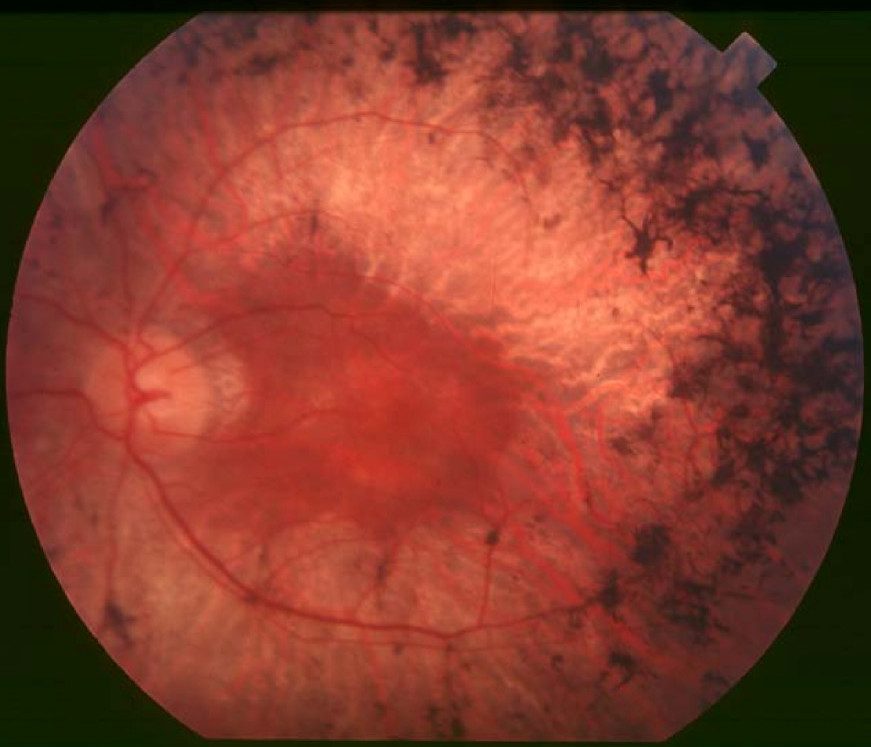
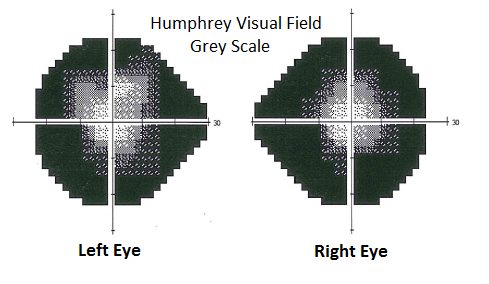
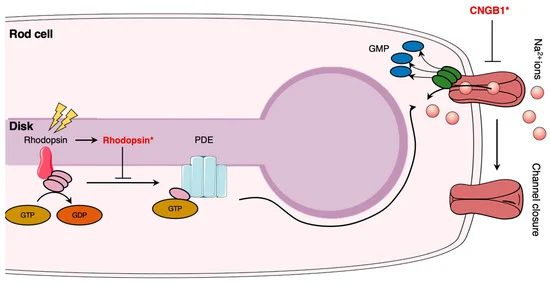
About 1.5 million people worldwide have retinitis pigmentosa, an inherited disease that destroys the retina's light-sensing cells and can end in blindness. The only approved treatment covers patients with a specific RPE65 gene mutation — a small fraction of the affected population.

On Sept. 29, 2026, Chengdu-based iRegene Therapeutics said it had received clearance from both the US Food and Drug Administration and China's National Medical Products Administration to test NouvSight001, a photoreceptor cell therapy. The therapy is designed to replace dying light-sensing cells with healthy lab-grown ones, an approach that does not depend on which gene mutation caused the disease.

Why it matters

If it works, most of the 1.5 million people with retinitis pigmentosa could gain an off-the-shelf treatment, not just the few with an RPE65 mutation.

Questions about this story

Free account needed to ask — your question is kept and asked for you right after sign-up. Answers are public.

No questions yet — be the first to ask.

Key Indicators

1.5M
People worldwide with retinitis pigmentosa
Inherited retinal disease that progressively destroys light-sensing cells.
2
Countries with cleared NouvSight001 clinical trials
US FDA cleared a Phase I/II trial; China's NMPA cleared a Phase I/III trial.
First
Chemically induced photoreceptor cell therapy accepted by China's CDE
The only global competitor in this space is Bayer's OpCT-001, per industry reporting.

Voices

Curated perspectives — historical figures and your fellow readers.

Ever wondered what historical figures would say about today's headlines?

Sign up to generate historical perspectives on this story.

People Involved

Organizations Involved

Timeline

March 2024 September 2026

2 events Latest: Today
  1. US and China clear NouvSight001 for clinical trials

    Today Regulatory

    China's NMPA clears a Phase I/III trial; the US FDA clears a Phase I/II trial and grants a special exemption for the same indication.

  2. FDA grants orphan drug designation to NouvSight001

    Regulatory

    The US Food and Drug Administration recognizes NouvSight001 as a treatment for the rare disease retinitis pigmentosa, qualifying it for market exclusivity if approved.

Scenarios

1

NouvSight001 shows early efficacy in phase I trials

Possible Resolves by Q2 2028

Discussed by: iRegene's announcement and the trial's lead investigators

The first phase I data will show whether transplanted photoreceptor precursor cells survive and integrate in human retinas. If treated patients show measurable visual function gains, the genotype-independent approach becomes a credible option for most of the 1.5 million RP patients. The therapy is designed to be used without immunosuppressants, which would reduce risk compared with earlier cell transplant approaches.

2

Safety signals slow NouvSight001 trials

Unlikely Resolves by Q2 2028

Discussed by: Standard regulatory risk for first-in-human cell transplants

Photoreceptor transplantation involves injecting cells into the subretinal space, a delicate surgical site. Concerns could include immune responses, uncontrolled cell growth, or surgical complications that prompt the FDA or China's NMPA to place a clinical hold on the trials.

3

iRegene licenses NouvSight001 to a global pharma partner

Possible Resolves by Q2 2028

Discussed by: iRegene's stated interest in international commercial partnerships; Bayer's competing OpCT-001 program

Bayer already owns OpCT-001, a competing photoreceptor precursor cell therapy in development, signaling pharmaceutical appetite for this space. If early trial data look clean, iRegene could sign a licensing or co-development deal with a large pharmaceutical company to fund later-stage trials and global commercialization.

Historical Context

2 moments from history that rhyme with this story — and how they unfolded.

September 2014

First iPSC-derived retinal cell transplant (2014)

Japanese ophthalmologist Masayo Takahashi's team in Kobe transplanted retinal pigment epithelial cells derived from induced pluripotent stem cells into a patient with age-related macular degeneration. It was the world's first surgical use of iPSC-derived cells in a human retina.

Then

The procedure was technically successful and set the stage for further cell-replacement trials in the eye.

Now

Established the feasibility of transplanting stem-cell-derived retinal cells, the foundation for approaches like NouvSight001.

Why this matters now

NouvSight001 extends the same cell-replacement concept to photoreceptors in retinitis pigmentosa, a decade after the first iPSC-derived retinal cell transplant.

December 2017

Luxturna approval (2017)

The US Food and Drug Administration approved Luxturna (voretigene neparvovec), the first gene therapy for an inherited retinal disease, for patients with biallelic RPE65 mutations. The therapy delivers a working copy of the RPE65 gene to the retina.

Then

Luxturna became the only approved disease-modifying treatment for any form of retinitis pigmentosa.

Now

Its narrow genetic scope left most RP patients without a treatment, creating the unmet need that NouvSight001 targets.

Why this matters now

NouvSight001 distinguishes itself by treating RP regardless of the causative gene, addressing exactly the limitation that defined Luxturna's patient population.

Sources

(5)