

Logo
Jared Isaacman Takes NASA: A Billionaire Astronaut Walks Into a Budget War

Jared Isaacman Takes NASA: A Billionaire Astronaut Walks Into a Budget War

Confirmed 67–30 after a withdrawn nomination, Isaacman inherits Artemis delays, SpaceX scrutiny, and looming science cuts.

Overview

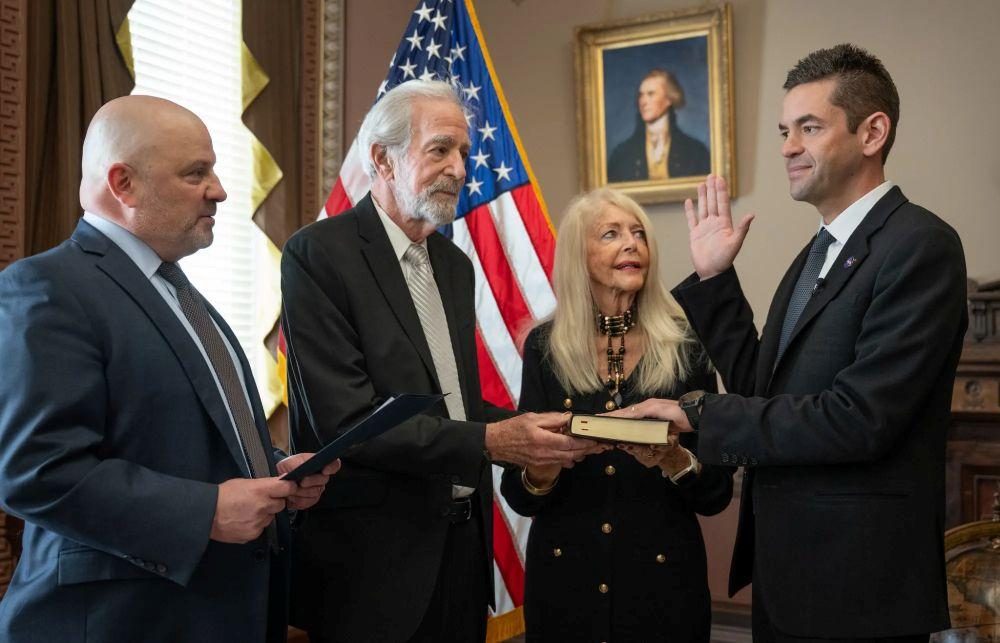
NASA just got a boss who’s flown to space on a ticket he helped pay for. On December 17, 2025, the Senate confirmed billionaire private astronaut Jared Isaacman as NASA administrator, 67–30—ending a nomination saga that was yanked, rebooted, and finally forced through.

The real story isn’t the vote count. It’s the collision course Isaacman walks into: Artemis is behind, SpaceX is both essential and politically radioactive, and the White House budget blueprint would gut science while demanding faster Moon-and-Mars wins.

Key Indicators

67–30
Senate confirmation vote
A bipartisan majority confirmed Isaacman, but a large minority opposed him on conflict and direction concerns.
~$15B
Estimated NASA contract value tied to SpaceX
Isaacman’s ties to Musk land in an agency deeply dependent on SpaceX.
$18.8B
Proposed NASA FY2026 top-line (White House request)
The administration’s budget plan proposes a steep cut from recent levels.
-47%
Proposed NASA Science funding cut (FY2026 request vs. enacted baseline)
Science advocates warn of mass mission cancellations and workforce loss.

People Involved

Jared Isaacman
Jared Isaacman
NASA Administrator (Confirmed by Senate; expected to be sworn in and set near-term priorities)
Donald Trump
Donald Trump
President of the United States (Backed Isaacman after withdrawing and renominating him in 2025)
Elon Musk
Elon Musk
CEO of SpaceX; influential Trump ally (NASA’s biggest contractor remains central to Artemis and LEO access)
Sean P. Duffy
Sean P. Duffy
Transportation Secretary; Acting NASA Administrator (July–December 2025) (Steps aside as Isaacman takes over)
Maria Cantwell
Maria Cantwell
Senator (D-WA); Ranking Member, Senate Commerce Committee (Supported Isaacman while warning against budget and workforce cuts)

Organizations Involved

National Aeronautics and Space Administration (NASA)
Federal Agency
Status: Entering a new leadership era amid Artemis delays and budget fights

NASA is trying to land humans on the Moon again while defending its science core from severe proposed cuts.

SpaceX
SpaceX
Aerospace Company
Status: Major NASA contractor; central to Artemis lander plans and political scrutiny

SpaceX is both NASA’s backbone for access to space and the political flashpoint for conflict fears.

U.S. Senate Committee on Commerce, Science, and Transportation
Congressional Committee
Status: Primary Senate gatekeeper for NASA leadership and oversight

The committee shaped Isaacman’s confirmation around conflicts, Artemis readiness, and science funding.

Office of Management and Budget (OMB)
Executive Office of the President
Status: Driving force behind proposed FY2026 NASA cuts

OMB is the budget choke point that can starve NASA’s science even if Congress resists.

The Planetary Society
Nonprofit Advocacy Organization
Status: Leading public campaign against proposed NASA science cuts

The Planetary Society became the loudest megaphone warning that science cuts would be catastrophic.

Timeline

  1. Senate confirms Isaacman, 67–30

    Personnel

    Isaacman is confirmed as NASA administrator as Artemis and science budgets face intense scrutiny.

  2. Second hearing, same core fears

    Hearing

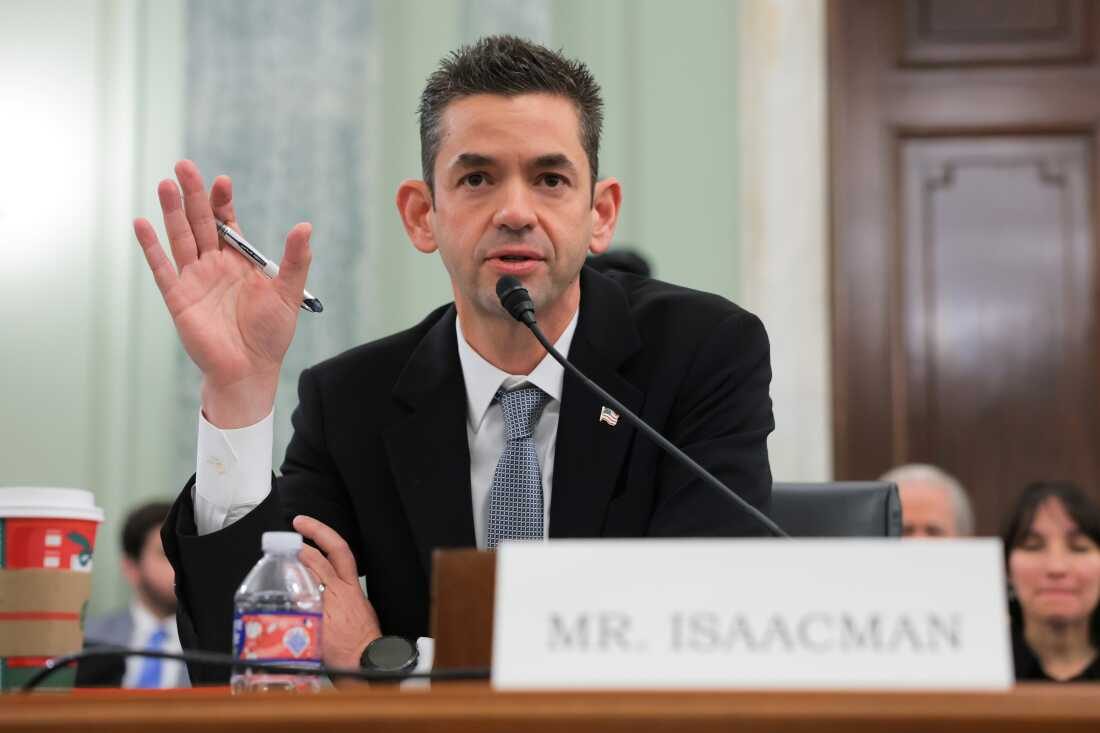
    Senate Commerce holds a second Isaacman hearing after the renomination.

  3. Trump renominates Isaacman

    Personnel

    The White House sends Isaacman’s nomination back to the Senate.

  4. NASA reopens Artemis III lander competition

    Procurement

    Acting Administrator Duffy says SpaceX is behind schedule and invites rival bids.

  5. Sean Duffy installed as interim NASA chief

    Personnel

    Trump appoints Transportation Secretary Sean Duffy as interim NASA administrator.

  6. White House yanks the nomination

    Personnel

    Trump withdraws Isaacman’s nomination after citing a review of prior associations.

  7. Budget request detonates a science backlash

    Budget

    NASA publishes FY2026 budget documents that critics say slash science and reshape exploration.

  8. Committee clears Isaacman the first time

    Congress

    Senate Commerce orders the nomination reported favorably; Isaacman reaches the calendar.

  9. Isaacman’s first confirmation hearing

    Hearing

    Senate Commerce questions Isaacman about priorities and potential conflicts.

  10. Nomination formally hits the Senate

    Personnel

    Isaacman’s nomination is received in the Senate and referred to Senate Commerce.

  11. Trump taps Isaacman to run NASA

    Personnel

    President-elect Trump announces Jared Isaacman as his intended NASA administrator nominee.

Scenarios

1

Isaacman Keeps Artemis Intact, But Forces a Hard Reset on Schedules and Accountability

Discussed by: Reuters; Senate Commerce leadership statements; industry coverage tracking Artemis readiness

Isaacman treats Artemis like a national deadline project: more milestone discipline, sharper penalties for missed dates, and more willingness to re-bid or dual-source critical systems like the lunar lander. The trigger is continued schedule risk for Artemis III and pressure to beat China. This path preserves the Moon-first architecture publicly while quietly rewriting how NASA manages contractors and tolerates delays.

2

NASA Tilts Toward “Commercial Everything,” and Congress Starts a Guerrilla War

Discussed by: Politico reporting on “Project Athena”; lawmakers signaling concern about outsourcing and program terminations

Isaacman pushes aggressive commercialization—outsourcing functions, consolidating centers, and favoring industry-provided capabilities—using the budget fight as leverage. The trigger is OMB pressure plus a White House demand for faster Moon/Mars wins. Congress responds with restrictions, earmarks, and program lock-ins, turning NASA into a battlefield of rider language and forced compromises that slow execution even as they save missions.

3

Conflict-of-Interest Blowback Clips Isaacman’s Wings Before He Can Move the Agency

Discussed by: AP and Reuters coverage emphasizing SpaceX ties; ongoing congressional skepticism

Even without a formal ethics violation, the perception problem becomes operational: recusals, inspector general pressure, and congressional holds make it harder for Isaacman to steer procurement decisions involving major contractors. The trigger is any high-profile Artemis contracting decision, especially around SpaceX or a reopened lander competition. The result is a cautious, slower NASA—exactly the opposite of the “move fast” mandate.

4

Science Survives the Budget Request, But NASA Pays With a Hollowed Workforce and Delayed Missions

Discussed by: NASA budget documents; The Planetary Society campaign; appropriations tracking by science groups

Congress rejects the most extreme science cuts, but the final compromise still reduces programs, stretches schedules, and drives a brain-drain through buyouts and attrition. The trigger is a prolonged appropriations standoff that forces stopgap funding and uncertainty. NASA avoids the headline disaster of mass cancellations, but loses momentum—especially in the mission pipeline that takes a decade to rebuild.

Historical Context

Jim Bridenstine’s Confirmation and Artemis Ramp-Up

2018-2019

What Happened

A politically polarizing NASA administrator pick entered office under skepticism, then focused the agency on a clear human exploration goal while expanding commercial partnerships. The early controversy faded as NASA’s near-term execution improved and Artemis became the organizing framework.

Outcome

Short term: NASA got a sharper mission narrative and stronger political alignment around Artemis.

Long term: The agency became even more reliant on private contractors for core capabilities.

Why It's Relevant

It shows how a controversial administrator can stabilize—if they deliver clarity and competent execution.

“Faster, Better, Cheaper” Management Era Under Dan Goldin

1992-2001

What Happened

NASA embraced speed and cost-cutting to deliver more missions under tight budgets, shifting culture toward aggressive schedules and leaner management. The approach produced successes but also public failures that exposed the limits of pushing risk too far.

Outcome

Short term: NASA launched more frequently and changed internal incentives around cost and speed.

Long term: High-profile losses forced a recalibration toward risk discipline and oversight.

Why It's Relevant

Isaacman’s business-driven instincts echo this tradeoff: speed gains versus mission assurance.

Constellation Cancellation and the Pivot to Commercial Crew

2010-2020

What Happened

After a major exploration architecture was scrapped, NASA shifted strategy toward commercial partnerships for human transport to low Earth orbit. The transition was politically brutal and operationally slow—until commercial systems matured and began flying crews regularly.

Outcome

Short term: NASA endured years of uncertainty, delays, and congressional fights over direction.

Long term: Commercial crew became a cornerstone of U.S. human spaceflight capability.

Why It's Relevant

It’s a warning: big strategy shifts can work, but the transition years are where capabilities can be lost.