
Pull to refresh
Logo
Israeli authorities demolish homes in unrecognized Negev village ahead of election

Israeli authorities demolish homes in unrecognized Negev village ahead of election

Force in Play

Around 400 Bedouin residents of Al-Dahiya lost their homes two weeks before Israel's Oct. 27 vote

Yesterday: Demolitions begin in Al-Dahiya

Overview

Updated 1 hour ago

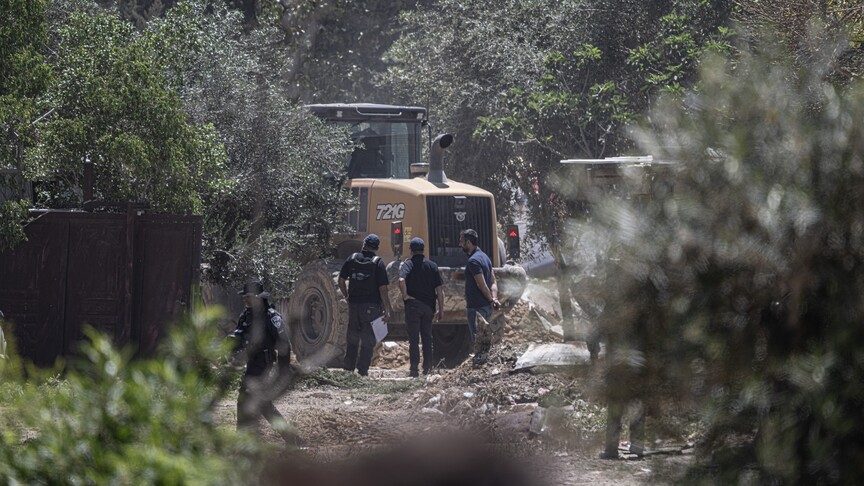
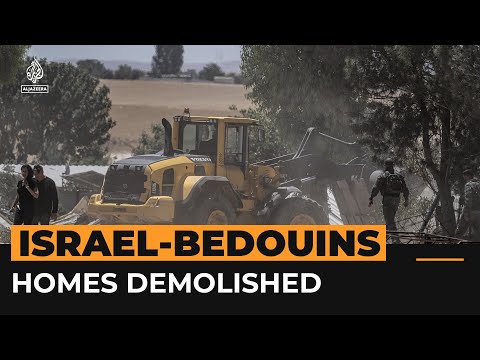
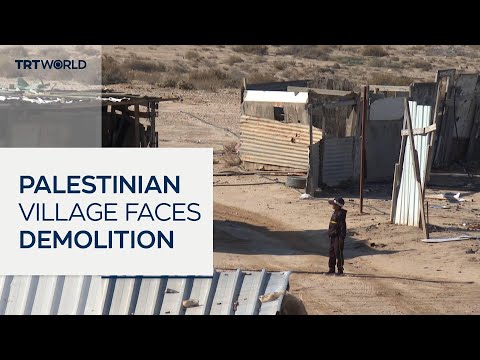
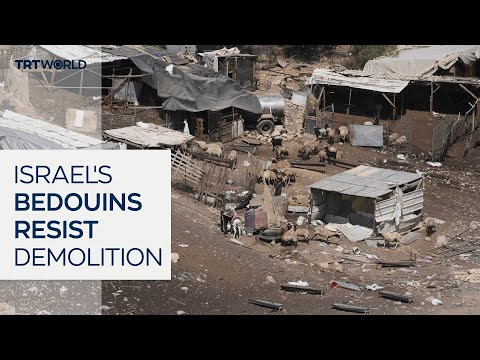
Israeli authorities demolished roughly 80 structures in Al-Dahiya, an unrecognized Bedouin village north of Rahat, on Oct. 12. About 400 members of the Abu Wadi family were displaced, and the state's relocation offer to Rahat's 10th neighborhood was rejected by residents, who demand recognition of their village instead.

The demolitions came two weeks before Israel's Oct. 27 general election. United Arab List leader Mansour Abbas sent the attorney general an urgent letter calling for a freeze on demolition orders, arguing that National Security Minister Itamar Ben-Gvir is using the operations as campaign material. A mosque was among the structures razed.

Why it matters

Israel's demolition policy toward unrecognized Bedouin villages is accelerating, and hundreds lost their homes two weeks before the country votes on its next government.

Questions about this story

Free account needed to ask — your question is kept and asked for you right after sign-up. Answers are public.

No questions yet — be the first to ask.

Key Indicators

80
Structures demolished
Homes and a mosque in Al-Dahiya demolished on Oct. 12.
400
People displaced
Members of the Abu Wadi family left without shelter.
14,000+
Structures demolished since 2023
Ministry of National Security data cited by Adalah shows record demolition levels.
37
Unrecognized Bedouin villages
Homes there lack water, electricity, roads, and schools.
90,000+
Residents of unrecognized villages
About 30 percent of the Negev's Bedouin population.

Voices

Curated perspectives — historical figures and your fellow readers.

Ever wondered what historical figures would say about today's headlines?

Sign up to generate historical perspectives on this story.

People Involved

Organizations Involved

Timeline

2025 October 2026

3 events Latest: Yesterday
  1. Demolitions begin in Al-Dahiya

    Latest Event

    Authorities demolish about 80 structures, including a mosque, displacing roughly 400 people.

  2. Demolition orders spike

    Report

    Yedioth Ahronoth reports Negev demolition orders rose 400 percent during the year.

Scenarios

1

New Government Freezes Negev Demolitions

Possible Resolves by End of 2026

Discussed by: United Arab List leader Mansour Abbas and the Joint List

If the Oct. 27 election produces a coalition that excludes Ben-Gvir's party, the new government could order a pause on demolitions in unrecognized villages while policy is reviewed. Abbas's letter to the attorney general also keeps pressure on the Justice Ministry to intervene before the vote.

2

Demolition Campaign Expands After Elections

Likely Resolves by Q1 2027

Discussed by: Adalah legal center, which lists 10 unrecognized villages under imminent threat

If Ben-Gvir retains or expands his political power after the election, the demolition campaign could broaden to other unrecognized villages. Adalah documents ten villages with over 15,000 residents facing partial or complete demolition through state-initiated eviction lawsuits tied to military expansion, industrial zones, and new Jewish-only towns.

3

Supreme Court Halts Remaining Al-Dahiya Demolitions

Unlikely Resolves by Q2 2027

Discussed by: Residents' legal options; Adalah's ongoing representation of other villages

The Abu Wadi family could petition the Supreme Court for an injunction to stop further demolitions. Adalah is already litigating similar cases for three other Negev villages, and a favorable ruling would freeze remaining orders and set a precedent for unrecognized communities facing the same threat.

Historical Context

2 moments from history that rhyme with this story — and how they unfolded.

1948-1966

Military Rule and the Siyag Zone (1948-1966)

After Israel's founding, Bedouin communities in the Negev were placed under military rule. The state concentrated them in a confined zone called the Siyag in the northeastern Negev, displacing communities from ancestral land into seven government-planned townships.

Then

Thousands of Bedouins were relocated from their land into the planned townships, which lacked basic services and economic opportunity.

Now

Roughly 90,000 people, about 30 percent of the Negev's Bedouin population, now live in 37 unrecognized villages outside the state planning system.

Why this matters now

The Siyag policy established the pattern of state control over Bedouin land and movement that continues with today's demolition orders.

1999-present

Recognition Without Planning (1999-present)

Some Bedouin villages gained state recognition starting in 1999, but they were never given planning schemes. Without planning, residents could not obtain building permits.

Then

Homes in recognized-but-unplanned villages remain technically unauthorized, leaving them subject to demolition orders.

Now

Demolition orders in the Negev rose 400 percent in a single year, with more than 14,000 structures demolished since 2023.

Why this matters now

Al-Dahiya is unrecognized and has no planning scheme, which is why its roughly 80 structures were classified as illegal construction.

Sources

(7)