
Pull to refresh
Logo
Israeli strikes kill civilians in southern Lebanon as ceasefire deal frays

Israeli strikes kill civilians in southern Lebanon as ceasefire deal frays

Force in Play

Overnight airstrikes on Kfar Rumman come days after Israel seized a strategic ridge, testing the June framework agreement

Yesterday: Israeli airstrikes on Kfar Rumman kill at least 12

Overview

Updated 1 hour ago

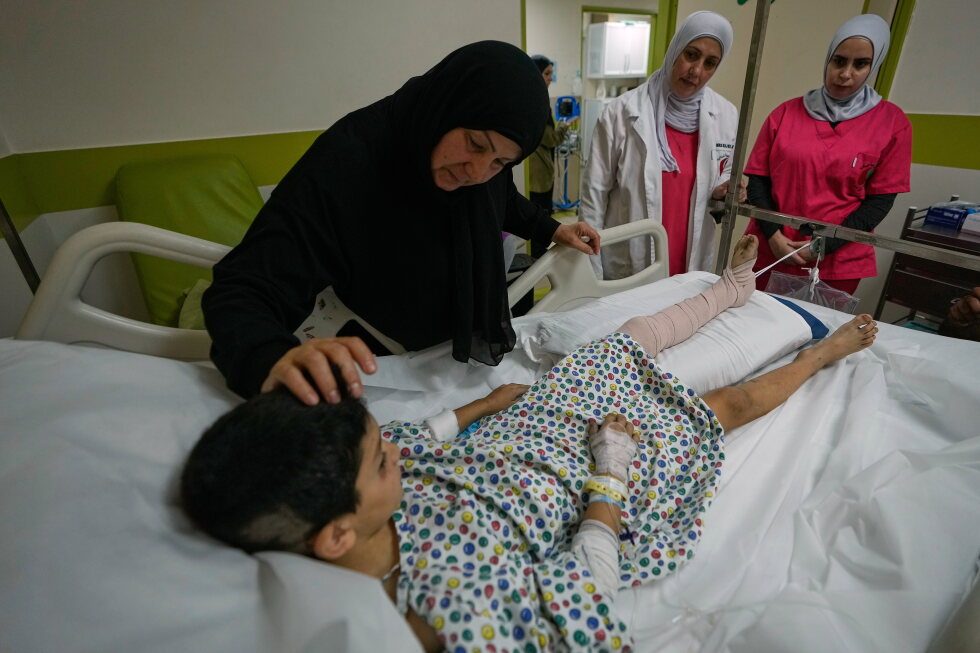
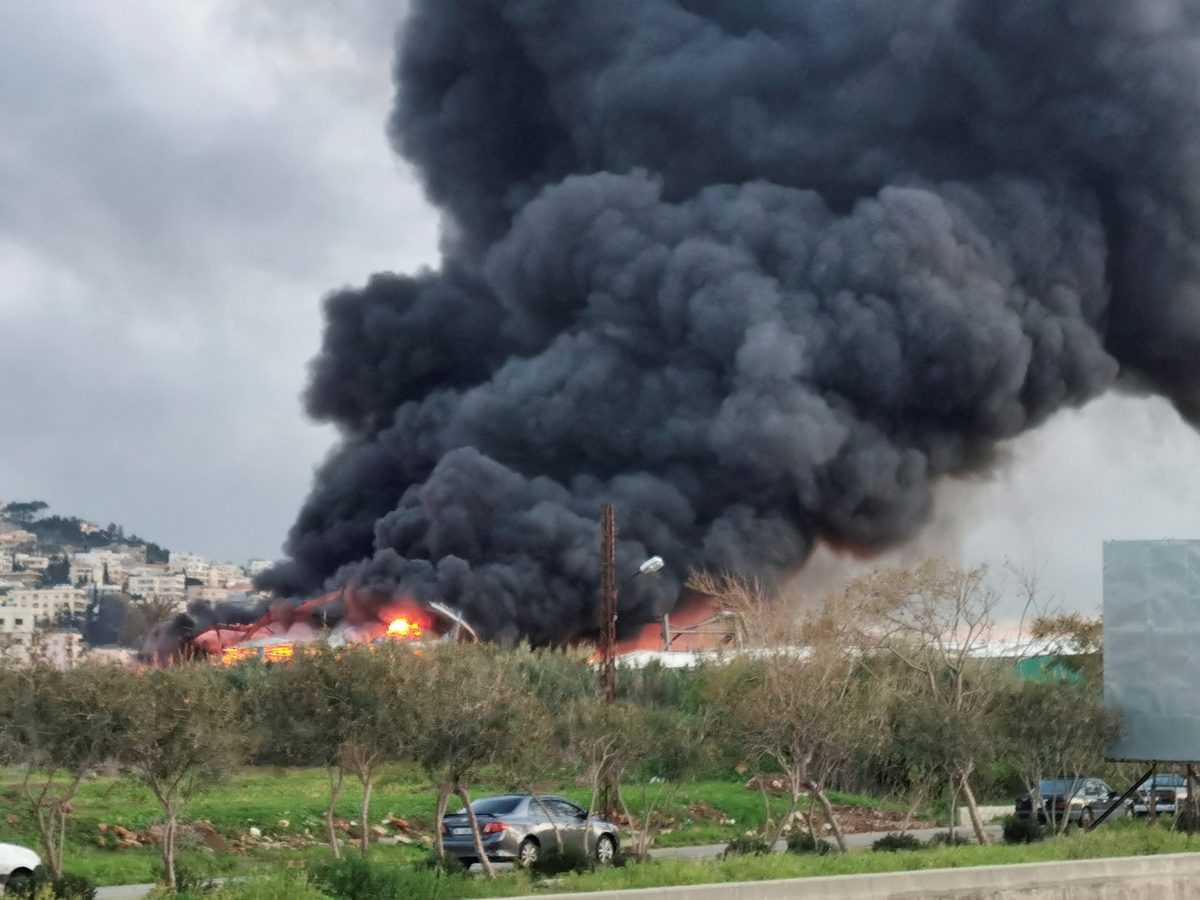
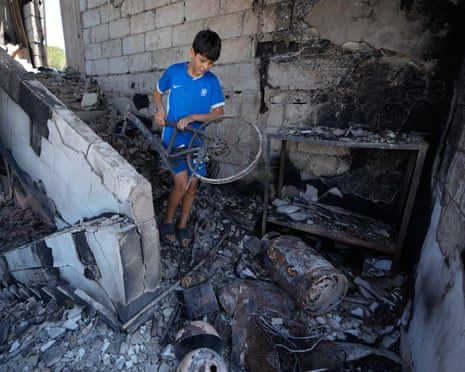
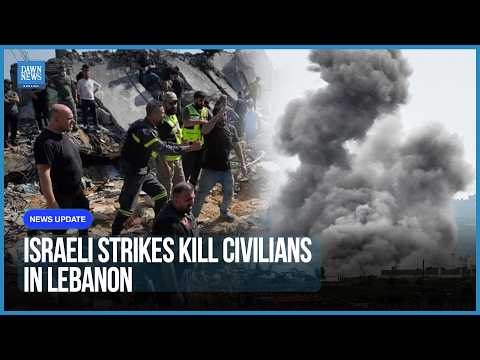
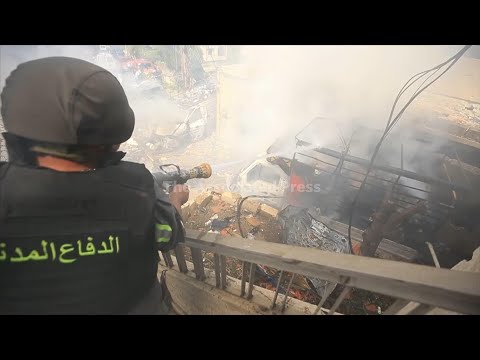
Israeli warplanes struck a three-story residential building in Kfar Rumman, a village in southern Lebanon, shortly after midnight on Monday. At least twelve people died, including a child and two women, and a separate drone strike killed two paramedics in a nearby car.

The attacks came days after Israeli forces seized the strategic Ali Al Taher ridge, and more than two months after Lebanon and Israel signed a US-brokered framework agreement meant to end the conflict. Lebanese President Joseph Aoun called the strikes a direct assault on the agreement's foundations.

Why it matters

If the June framework collapses, southern Lebanon slides back into full war and the regional truce that ended the Iran conflict unravels.

Questions about this story

Free account needed to ask — your question is kept and asked for you right after sign-up. Answers are public.

No questions yet — be the first to ask.

Key Indicators

12
Killed in Sept 7 strikes on Kfar Rumman
Lebanese Health Ministry figure includes children and women; death toll may rise as rescue teams clear rubble.
73 days
Days between June 26 framework signing and the strikes
The US-brokered deal has seen little implementation progress while Israeli forces continue operations in the south.
4,300+
Killed in Lebanon since Hezbollah launched rockets March 2
Casualty count from the current conflict, which began when Hezbollah attacked Israel in support of Iran.

Voices

Curated perspectives — historical figures and your fellow readers.

Ever wondered what historical figures would say about today's headlines?

Sign up to generate historical perspectives on this story.

Play

Exploring all sides of a story is often best achieved with Play.

Most of these play right now — no account needed. Sign up to save scores, keep a streak, and unlock Debate and Predict. Log in Sign Up
Predict 3 ways this could play out. Back the one you believe — contrarian picks score more when a scenario has a resolution date. Log in to play

People Involved

Organizations Involved

Timeline

March 2026 September 2026

4 events Latest: Yesterday
Tap a bar to jump to that date
  1. Israeli airstrikes on Kfar Rumman kill at least 12

    Latest Military

    Residential building destroyed and two paramedics killed in separate strike; Aoun accuses Israel of undermining the ceasefire.

  2. Israel announces operational control of Ali Al Taher ridge

    Military

    Strategic ridge overlooks Nabatieh and is described as Hezbollah's last major defensive position in the region.

  3. Israel and Lebanon sign US-brokered framework agreement

    Agreement

    Deal calls for gradual Israeli withdrawal from southern Lebanon in exchange for Hezbollah disarmament and Lebanese army control.

  4. Hezbollah launches rockets at Israel

    Military

    Hezbollah targeted Israel in support of Iran, triggering an Israeli air and ground offensive.

Historical Context

2 moments from history that rhyme with this story — and how they unfolded.

1978-2000

Israeli occupation of southern Lebanon (1978-2000)

Israel occupied a self-declared 'security zone' in southern Lebanon for 22 years, backing a proxy militia. In May 2000, Prime Minister Ehud Barak withdrew all Israeli forces after Hezbollah's guerrilla campaign made the occupation costly.

Then

Hezbollah claimed victory for forcing the withdrawal, which became central to its legitimacy in Lebanon.

Now

The withdrawal created a power vacuum Hezbollah filled, turning southern Lebanon into a launchpad for future attacks on Israel.

Why this matters now

Israel again maintains a security buffer zone inside Lebanon today, and the June framework ties withdrawal to Hezbollah's disarmament. The 2000 precedent shows what happens when Israel leaves without a parallel disarming of Hezbollah - the group's power grew.

July-August 2006

2006 Lebanon War

Hezbollah killed three Israeli soldiers and captured two others in a cross-border raid, triggering a 34-day war. Israeli forces bombed much of southern Lebanon and Beirut's southern suburbs; about 1,200 people in Lebanon died, most of them civilians.

Then

UN Security Council Resolution 1701 ended the war and required Hezbollah to disarm and the Lebanese army to deploy south.

Now

Hezbollah never disarmed, rearmed heavily, and the resolution was never fully implemented, leaving the underlying conflict unresolved.

Why this matters now

The June 2026 framework replicates 1701's structure: a brokered ceasefire that pauses fighting but leaves Hezbollah armed and the political questions unanswered. Both deals rely on Hezbollah's voluntary disarmament, which it has refused.

Sources

(5)