
Overview
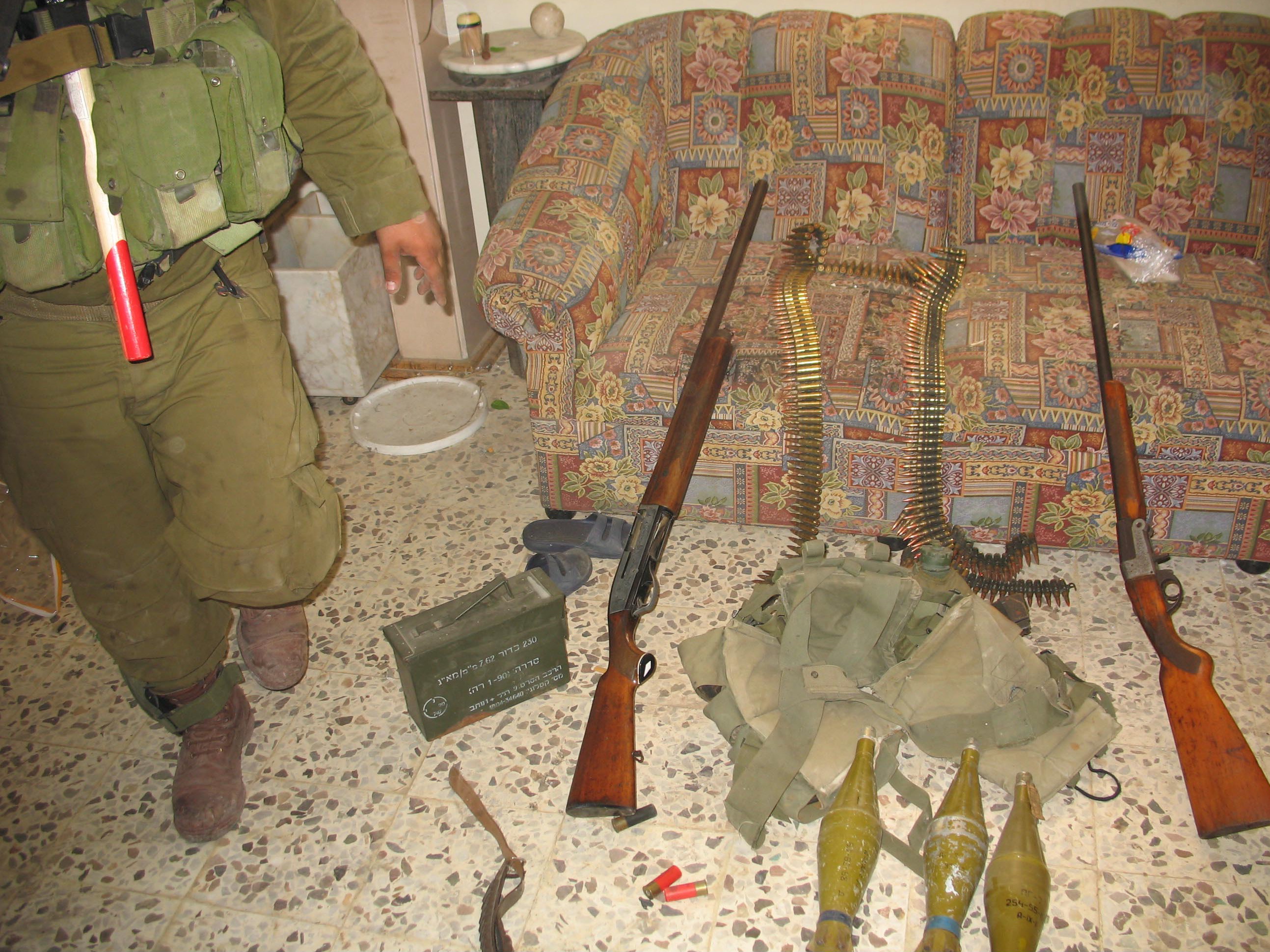
Lebanon's army says it now controls the south—except for five hilltops Israel refuses to give up. On January 8, 2026, the military announced it had completed phase one of disarming Hezbollah and other militias south of the Litani River, bringing weapons under state control for the first time in 40 years. Over 9,000 soldiers swept the war-battered region, clearing unexploded ordnance and tunnels left from the devastating 2024 war that killed 4,000 people and displaced 1.3 million.
But the victory lap may be premature. Israel calls the progress "encouraging but far from sufficient," claiming Hezbollah is already rebuilding. Hezbollah says it won't disarm north of the Litani until Israel withdraws completely. And the entire effort hinges on a fragile Washington-brokered ceasefire that neither side seems committed to honoring. Lebanon is trying to do what the UN failed to accomplish in 18 years: actually enforce Resolution 1701. The world has seen this movie before—it didn't end well.
Key Indicators
People Involved
Organizations Involved
Iran-backed militia more powerful than Lebanon's official army until Israel decimated its leadership in 2024.
Lebanon's long-sidelined military is finally getting its chance to control the south—if it can stay stronger than Hezbollah.
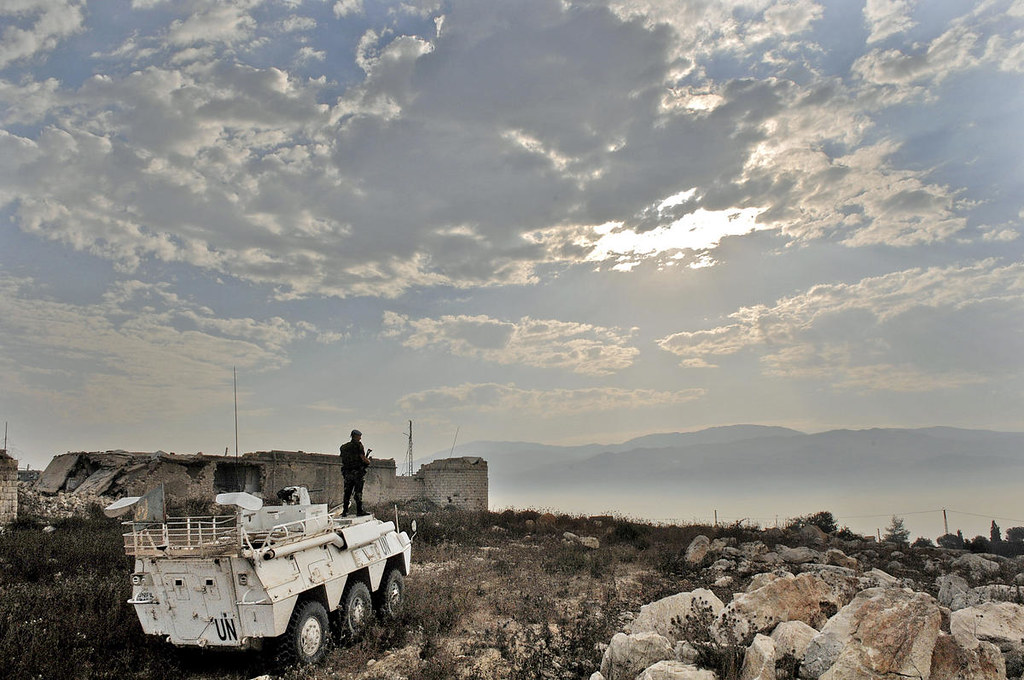
UN peacekeepers who spent 18 years watching Hezbollah arm itself instead of disarming it.
Timeline
-
Lebanon Announces Phase One Disarmament Complete
DisarmamentArmy says it controls south of Litani except five Israeli-occupied hilltops. Israel calls progress insufficient.
-
Salam Forms New Government
PoliticalNew cabinet sworn in, focused on reconstruction and implementing ceasefire terms.
-
Nawaf Salam Named Prime Minister
PoliticalFormer ICJ president nominated by 84 MPs; Hezbollah and Amal abstain from endorsement.
-
Joseph Aoun Elected President
PoliticalFormer army commander becomes president, ending years of political vacuum. Makes Hezbollah disarmament a priority.
-
Washington-Brokered Ceasefire Takes Effect
Ceasefire60-day ceasefire begins: Israel must withdraw, Hezbollah must retreat north of Litani, Lebanese army deploys south.
-
Naim Qassem Named New Hezbollah Leader
LeadershipHezbollah's Shura Council elects 71-year-old deputy chief as secretary-general after Israel killed presumed successor.
-
Israel Launches Ground Invasion of Southern Lebanon
Military OperationIDF enters southern Lebanon for 'limited operations' against Hezbollah, beginning intense ground fighting.
-
Israel Kills Hezbollah Leader Hassan Nasrallah
AssassinationMassive airstrike on underground Beirut headquarters kills Nasrallah and at least 33 others, ending his 32-year leadership.
-
Thousands of Pagers Explode Across Lebanon
AttackIsrael detonates pagers and walkie-talkies used by Hezbollah in coordinated attack, killing 42 and wounding 4,000.
Scenarios
Phased Disarmament Succeeds, Hezbollah Becomes Political-Only Party
Discussed by: Washington Institute, International Crisis Group, Carnegie Endowment analysts
Lebanon completes disarmament through February's phase two plan, extending 40km north of Litani to Awali River. Hezbollah, decimated by war losses and unable to rearm with sustained Israeli and US pressure, negotiates political integration rather than face destruction. The US-led monitoring mechanism holds, backed by sustained funding for Lebanon's army. Israel withdraws from the five hilltops after verifying Hezbollah's southern infrastructure is dismantled. Hezbollah transitions to a purely political party, keeping its social services network but surrendering weapons. This mirrors the IRA's evolution after Northern Ireland's Good Friday Agreement—though that took seven years from ceasefire to full disarmament.
Partial Disarmament, De Facto Partition Along Litani River
Discussed by: Middle East Institute, Lebanese political analysts, Israeli defense commentators
Lebanon consolidates control south of the Litani but can't extend disarmament northward. Hezbollah surrenders weapons in the south to preserve its northern stronghold, creating a de facto partition. Israel maintains indefinite occupation of the five strategic hilltops as a buffer zone, citing Hezbollah's continued northern presence. The arrangement becomes a frozen conflict—better than war, worse than peace. UN Resolution 1701 remains partially implemented, just as it was from 2006 to 2024. Lebanon regains some sovereignty, Hezbollah survives in weakened form, and everyone pretends this was the goal all along.
Ceasefire Collapses, Israel Reoccupies South Long-Term
Discussed by: Haaretz, Al Jazeera analysts, regional security experts
Hezbollah resumes attacks, citing Israel's refusal to withdraw from the five hilltops as justification. Israel responds with airstrikes, then ground operations, declaring the ceasefire void due to Lebanese non-compliance. Rather than another limited operation, Israel establishes a formal security zone in southern Lebanon, explicitly rejecting Resolution 1701. Lebanon's government proves too weak to control Hezbollah or prevent the collapse. The US monitoring mechanism fails, international attention shifts elsewhere, and Lebanon faces indefinite occupation. This mirrors Israel's 1985-2000 security zone—which ultimately failed to provide security and birthed Hezbollah as a resistance movement.
Political Crisis Derails Process, Lebanon Fragments Further
Discussed by: Lebanon scholars, Carnegie Middle East Center, Crisis Group
Hezbollah refuses disarmament north of the Litani, triggering a constitutional crisis. Christian and Sunni factions demand enforcement, Shia politicians back Hezbollah's resistance. Aoun and Salam's government collapses under the pressure. Lebanon splinters into sectarian-controlled zones as it did during the 1975-1990 civil war. The army fractures along sectarian lines rather than confront Hezbollah. International funding dries up as Lebanon proves unable to implement the ceasefire terms. The country slides back into failed state status, but this time with an Israeli occupation in the south and Hezbollah dominance in the north and Beirut suburbs.
Historical Context
UN Resolution 1701 and the 2006 Lebanon War
2006-2024What Happened
After the 2006 Israel-Hezbollah war killed over 1,000, the UN Security Council passed Resolution 1701, mandating Hezbollah's disarmament south of the Litani River. Only the Lebanese army and 15,000 UN peacekeepers were supposed to operate there. The ceasefire held, but disarmament never happened. Hezbollah not only stayed in the south but grew exponentially, amassing 150,000 rockets and sophisticated tunnels. UNIFIL was criticized for failing to prevent this, essentially becoming observers rather than enforcers. The resolution's key provisions remained dead letter for 18 years.
Outcome
Short term: Ceasefire ended the war, Lebanese army deployed alongside UNIFIL in expanded numbers.
Long term: Complete failure to disarm Hezbollah; militia grew stronger, leading directly to the 2024 war.
Why It's Relevant
Lebanon is attempting to actually implement what Resolution 1701 promised but never delivered—the precedent is discouraging.
Northern Ireland: IRA Disarmament After Good Friday Agreement
1998-2005What Happened
The 1998 Good Friday Agreement ended most violence in Northern Ireland's decades-long conflict. The deal required paramilitary groups to disarm within two years. The IRA missed the May 2000 deadline, triggering political crisis and assembly suspensions. Unionists demanded proof of disarmament; Republicans claimed no formal links to the IRA. The process took seven years—partial decommissioning in 2001, 2002, and 2003, followed by the IRA announcing its campaign's end in July 2005. Full disarmament was confirmed in September 2005 by the International Commission on Decommissioning. Loyalist groups followed years later.
Outcome
Short term: Missed deadlines and political crises; process took five years longer than planned.
Long term: Successful transformation of armed groups into political parties; peace has largely held for two decades.
Why It's Relevant
Shows disarmament takes years even with strong enforcement mechanisms and war-weary populations—Lebanon has neither advantage.
Colombia: FARC Disarmament After 2016 Peace Accord
2016-2017What Happened
After 52 years of civil war, Colombia's government negotiated peace with FARC guerrillas. The November 2016 accord gave FARC five guaranteed Senate seats in exchange for disarming within 180 days. FARC fighters moved to UN-monitored camps and surrendered weapons in phases. The process mostly succeeded—FARC became a political party, though some factions rejected the deal and continued fighting. Transitional justice tribunals addressed war crimes on all sides. The accord is considered one of history's more successful conflict resolutions, though implementation challenges and rural violence persist. Unlike Lebanon, Colombia had no foreign occupier complicating the dynamics.
Outcome
Short term: FARC disarmed within the 180-day timeline; guerrilla organization became political party.
Long term: Largely successful peace process, though splinter groups remain active and rural violence continues.
Why It's Relevant
Demonstrates that armed groups can disarm when given political participation—but Lebanon's sectarian system and Israeli presence make this path nearly impossible.
