
Pull to refresh
Logo
Oxford Street goes traffic-free after decade-long campaign

Oxford Street goes traffic-free after decade-long campaign

Rule Changes

Nearly a kilometre of London's busiest shopping street is now closed to cars, buses and bikes.

Today: Oxford Street goes traffic-free

Overview

Updated 1 hour ago

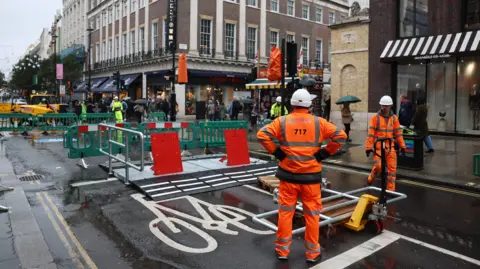
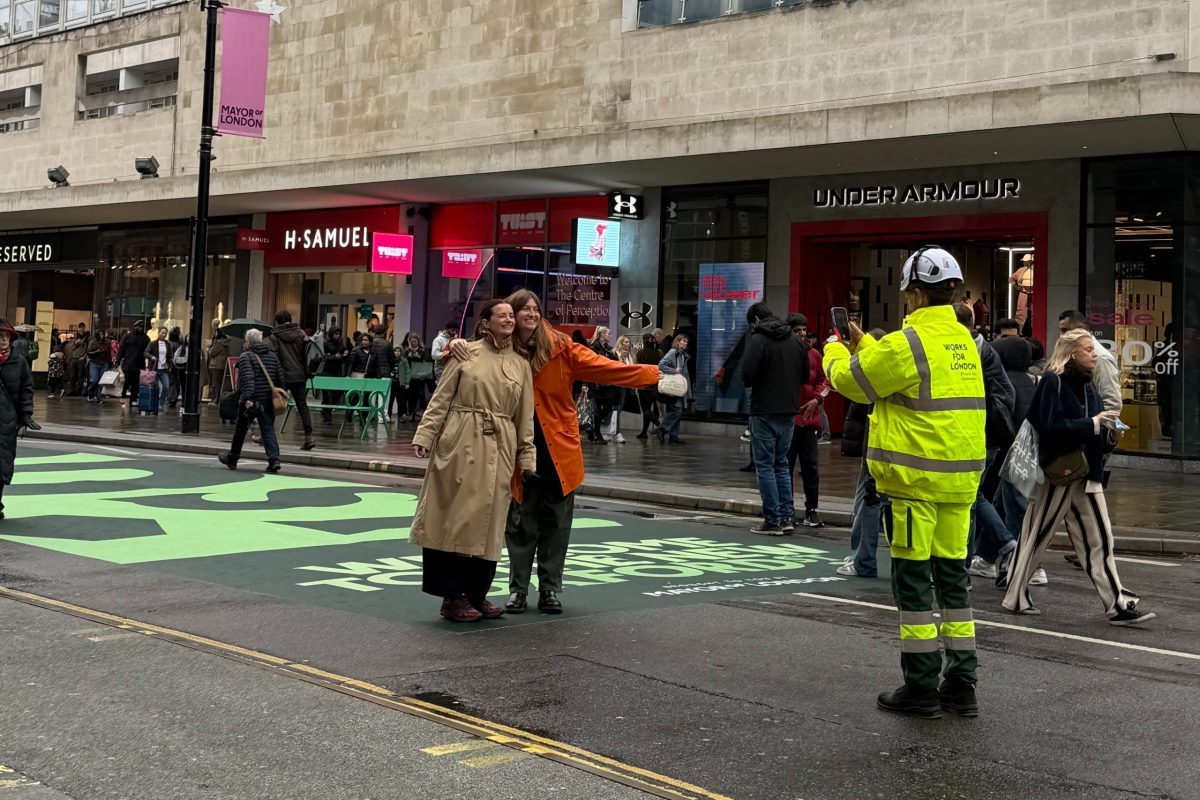
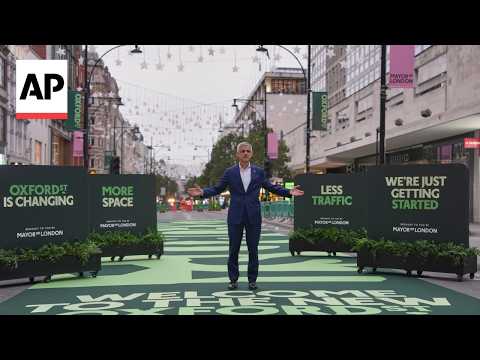
London's busiest shopping street went traffic-free on Monday, October 26. Nearly a kilometre of Oxford Street, between Orchard Street and Great Portland Street, is now closed to cars, buses, taxis, bicycles and e-scooters, with only mobility scooters and overnight freight allowed.

The change is a decade in the making. Mayor Sadiq Khan first promised it in his 2016 manifesto, but the plan collapsed in 2018 when Westminster Council withdrew support. He then created a development corporation to take control of the street from the council, a move critics called anti-democratic.

Retailers hope the pedestrian zone will revive a street hit by falling footfall. City Hall projects it could add $109 million a year in value and support 700 jobs. Residents fear buses and taxis will clog their streets instead.

Why it matters

The traffic-free street is a test of whether closing city-centre roads to cars can revive retail hit by falling footfall.

Questions about this story

Free account needed to ask — your question is kept and asked for you right after sign-up. Answers are public.

No questions yet — be the first to ask.

Key Indicators

1 km
Length of street pedestrianised
Oxford Street is closed to vehicles from Orchard Street to Great Portland Street.
57%
Current footfall vs 2006 levels
New West End Company data shows footfall has fallen sharply over two decades.
$109M
Projected annual economic benefit
City Hall analysis of what pedestrianisation could add per year.
700
Projected additional jobs
City Hall estimate of jobs the pedestrian zone could support.

Voices

Curated perspectives — historical figures and your fellow readers.

Ever wondered what historical figures would say about today's headlines?

Sign up to generate historical perspectives on this story.

People Involved

Organizations Involved

Timeline

May 2016 October 2026

6 events Latest: Today
Tap a bar to jump to that date
  1. Oxford Street goes traffic-free

    Today Policy

    The street closed to vehicles from Orchard Street to Great Portland Street on Monday October 26; buses rerouted and mobility scooters still allowed.

  2. Weekend trial shows promise

    Trial

    Two-thirds of nearby businesses report sales at or above normal during the pedestrianisation trial.

  3. Westminster Council withdraws support

    Political

    The council backs away after resident opposition; Khan calls it a betrayal and the plan collapses.

  4. First pedestrianisation attempt launched

    Policy

    Khan advances his first bid to make Oxford Street traffic-free.

  5. Khan pledges pedestrianisation in manifesto

    Policy

    Sadiq Khan's mayoral manifesto pledges to pedestrianise Oxford Street.

Scenarios

1

Pedestrianisation boosts retail, expansion proceeds on schedule

Likely Resolves by End of 2027

Discussed by: City Hall economic analysis; retail body New West End Company

The OSDC review early in 2027 shows footfall and sales rising on the pedestrian stretch, supporting the mayor's projections of $109 million in annual economic benefit. The corporation proceeds with phase two, adding public squares, trees and hundreds of seats, and transitions the rest of Oxford Street to traffic-free by the end of 2027.

2

Traffic displacement backlash forces partial rollback

Possible Resolves by End of 2027

Discussed by: Westminster Council deputy leader Tim Barnes; residents Nerma Cridge and Karen Jones

Rerouted buses and taxis clog parallel streets like Wigmore Street and the surrounding Marylebone neighbourhoods. Resident complaints grow, Westminster Council renews its criticism, and the mayor reopens a section of Oxford Street to buses or taxis to relieve congestion.

3

Initial stretch stays, expansion stalls

Possible Resolves by End of 2027

Discussed by: OSDC's phased rollout plan; sceptics of the economic projections

The nearly 1km pedestrianised section remains in place, but the review finds mixed results or meets legal or political obstacles, delaying the planned 2027 expansion to the rest of Oxford Street. The street stays partially traffic-free with no immediate rollback or extension.

Historical Context

2 moments from history that rhyme with this story — and how they unfolded.

2009

Times Square pedestrianisation, New York (2009)

New York closed Broadway to cars through Times Square and Herald Square, setting out plazas with chairs and planters. Merchants initially opposed the change and some sued to stop it.

Then

Pedestrian injuries in the area fell and footfall rose. The plazas became permanent.

Now

The plazas were expanded and became a model for reclaiming street space for pedestrians in commercial districts.

Why this matters now

The strongest precedent that pedestrianising a busy commercial street can win over initial business opposition once footfall data improves.

1962

Copenhagen Strøget pedestrianisation (1962)

Copenhagen turned its main shopping street, Strøget, into a pedestrian zone, among the first such schemes in Europe. Shopkeepers predicted ruin for retail.

Then

The street became a commercial success and remained pedestrian-only.

Now

Strøget became a model copied across the continent and a foundation of Copenhagen's reputation for liveable streets.

Why this matters now

Shows the pattern of retailer fear giving way to acceptance once a pedestrian street proves itself, which the Oxford Street trial data echoes.

Sources

(9)