
Pull to refresh
Logo
China finishes Zhoushan-side boring for the world's longest undersea rail tunnel

China finishes Zhoushan-side boring for the world's longest undersea rail tunnel

Built World

One of two boring machines has reached the seabed meeting point under the Jintang waterway; the other is 4,144 meters in and still digging

Overview

Updated 1 hour ago

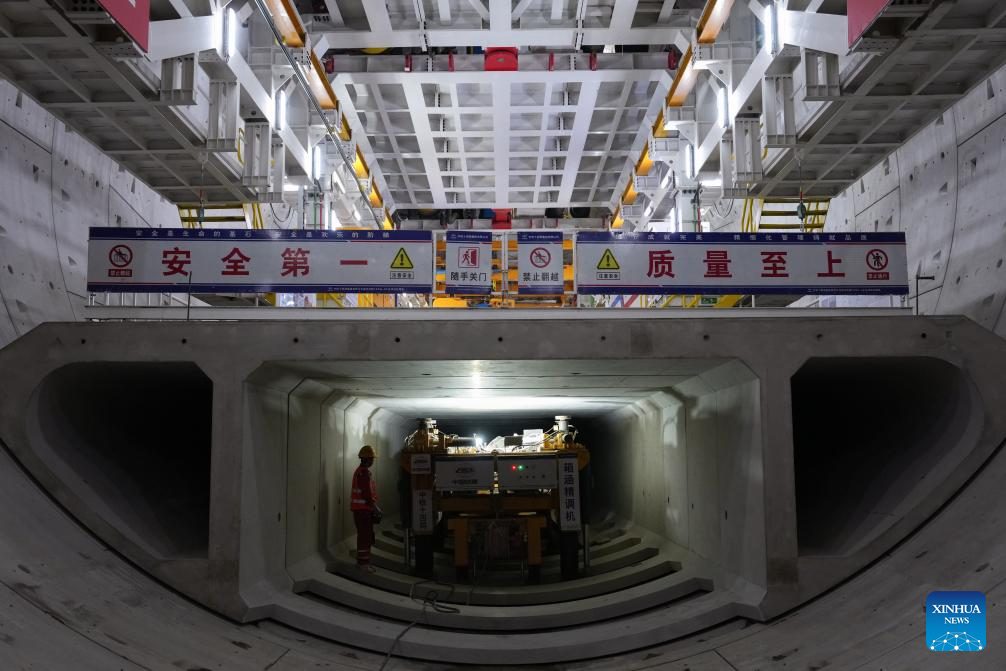
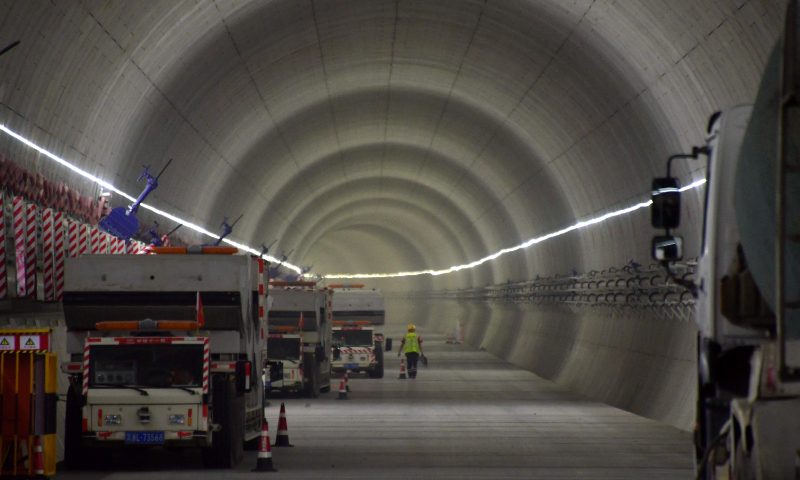
Eighty meters under the Jintang waterway, a boring machine named Dinghai stopped on Nov. 11 after cutting 6,270 meters of tunnel from the Zhoushan side. Its twin, Yongzhou, is 4,144 meters in from Ningbo and still digging. When the two meet beneath the seabed, expected in 2027, they will finish the shield-driven section of what is planned as the world's longest undersea high-speed rail tunnel.

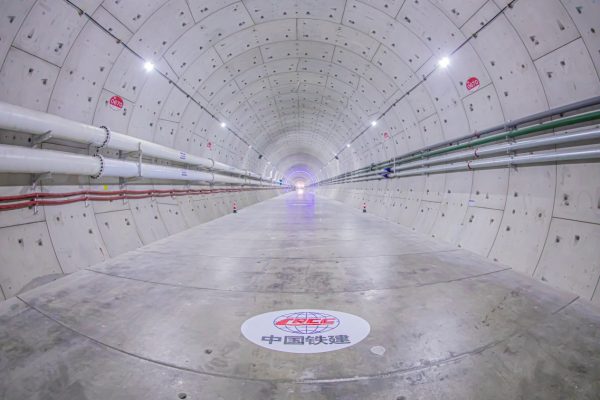
The 16.18-kilometer Jintang tunnel is the hard part of the 76.4-kilometer Ningbo-Zhoushan Railway. Completing the Zhoushan side removes half the undersea risk and leaves the remaining uncertainty on one machine. When the line opens, Zhoushan will no longer be the only city in the Yangtze River Delta without a railway.

Why it matters

The cutter-replacement methods proven here, with crews living under seabed pressure for weeks, set the template for every long undersea tunnel built next.

Questions about this story

Free account needed to ask — your question is kept and asked for you right after sign-up. Answers are public.

No questions yet — be the first to ask.

Key Indicators

16.18 km
Total tunnel length
Jintang undersea tunnel, the controlling works of the Ningbo-Zhoushan Railway.
11.21 km
Shield-driven section
The portion bored by the two machines meeting under the seabed.
6,270 m
Bored from Zhoushan side
Single-head advance completed by Dinghai as of Nov. 11, 2026.
4,144 m
Bored from Ningbo side
Yongzhou's progress toward the undersea meeting point as of Nov. 11, 2026.
80 m
Max burial depth, Zhoushan side
The Ningbo side reaches about 93 meters at its deepest.
76.4 km
Ningbo-Zhoushan Railway length
Designed for 250 km/h service.

Voices

Curated perspectives — historical figures and your fellow readers.

Sign up to generate historical perspectives on this story.

People Involved

Organizations Involved

Timeline

May 2024 November 2026

5 events Latest: Today
Tap a bar to jump to that date
  1. Zhoushan-side boring completed

    Today Construction

    Dinghai finishes 6,270 meters and reaches the undersea design meeting point.

  2. Ningbo-side machine passes 4,000 meters

    Construction

    Yongzhou clears the 4,000-meter mark on the Ningbo half of the tunnel.

  3. 104 cutters replaced at 80 meters

    Engineering

    A 21-day operation under 7.8 bar of water pressure tests the domestic hyperbaric system.

  4. Saturation system completes first deep cutter job

    Engineering

    Crews work 22 days at about 75 meters and replace 46 cutters.

  5. Both boring machines start digging

    Construction

    Dinghai and Yongzhou begin advancing from Zhoushan and Ningbo toward a seabed meeting point.

Scenarios

1

Two boring machines meet beneath the seabed in 2027

Likely Resolves by End of 2027

Discussed by: Xinhua and People's Daily, citing the project schedule

Yongzhou covers the remaining distance to the meeting point, and the two machines dock under the water within the millimeter-level tolerance the project has set. That clears the way for dismantling both machines inside the finished tunnel and lining the joint.

2

Docking slips into 2028 as cutter wear slows the Ningbo side

Possible Resolves by End of 2027

Discussed by: Global Times reporting on cutter consumption on the Yongzhou machine

Roughly 70 percent of the Ningbo route runs through alternating soft and hard ground, and cutters now wear out after a few dozen centimeters in the worst sections. If wear outpaces the replacement schedule, Yongzhou misses the 2027 window and the meeting moves to 2028.

3

Ningbo-Zhoushan Railway carries its first passengers

Uncertain Resolves by End of 2029

Discussed by: Chinese state media, which describe the line as ending Zhoushan's lack of rail

Tunnel completion is one step; track, signals, stations and testing follow. No opening date has been published, so this scenario tracks whether the full 76.4-kilometer line enters passenger service by the end of the decade.

Historical Context

2 moments from history that rhyme with this story — and how they unfolded.

1987-1994

Channel Tunnel (1987-1994)

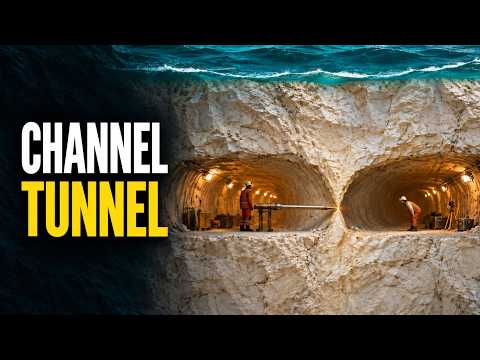
British and French contractors bored a 50.5-kilometer rail tunnel under the English Channel, 38 kilometers of it undersea, using machines launched from each shore. The two sides met beneath the seabed in December 1990.

Then

The breakthrough came roughly three years after boring began; fitting out and testing added more time.

Now

The tunnel opened to passengers in May 1994 and has carried high-speed rail between London and Paris since.

Why this matters now

It is the closest precedent for two machines boring toward a mid-channel meeting point, and for the precision surveying that makes such a meeting possible.

1964-1988

Seikan Tunnel, Japan (1964-1988)

Japan spent more than two decades building a 53.85-kilometer rail tunnel between Honshu and Hokkaido, 23.3 kilometers of it beneath the Tsugaru Strait. Water ingress and difficult geology drove repeated delays and cost overruns.

Then

The main bore broke through in 1983; the tunnel opened in March 1988.

Now

It remained the world's longest undersea rail tunnel until the Channel Tunnel opened, and it showed how geology, not length, sets the schedule.

Why this matters now

Jintang's alternating soft and hard ground, with rock near 200 megapascals, is the same kind of problem that stretched Seikan's timeline.

Sources

(8)