
Pull to refresh
Logo
Korea and China conclude FTA talks on services and investment

Korea and China conclude FTA talks on services and investment

Rule Changes

The deal would give Korean films, games, tourism and legal services better access to China, but formal signing and content approvals remain.

Overview

Updated 6 hours ago

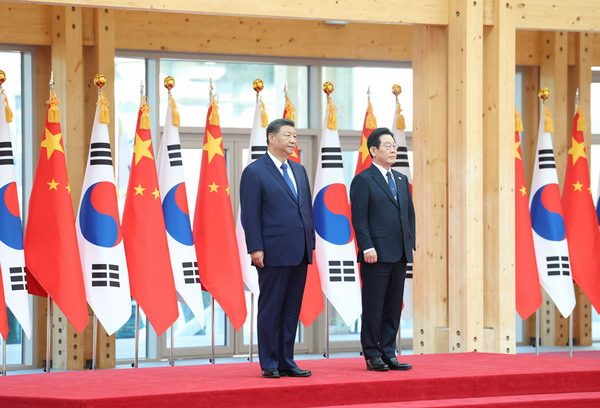
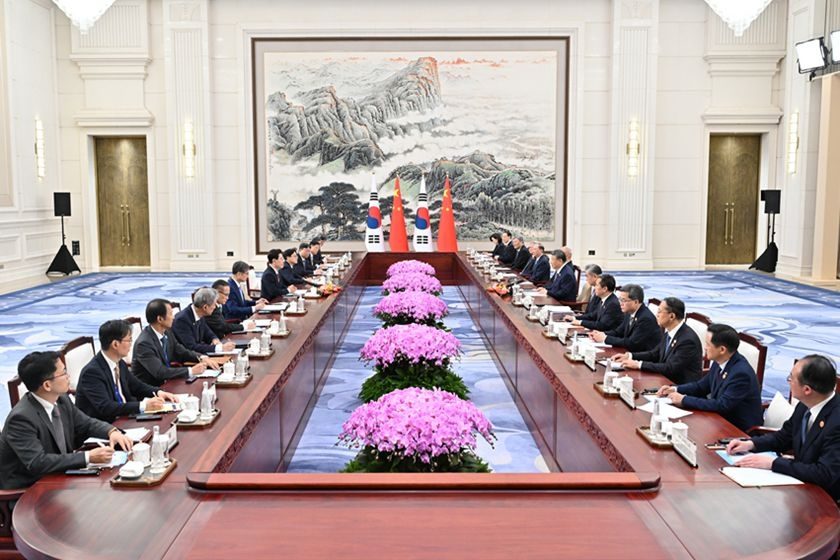
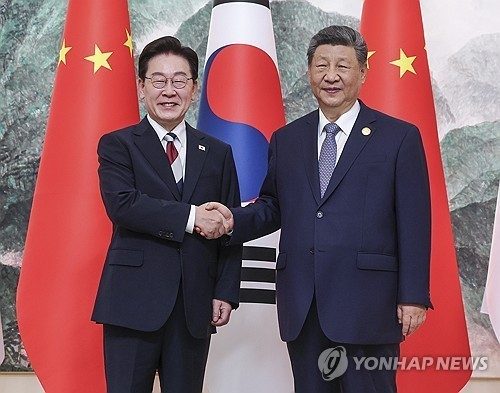
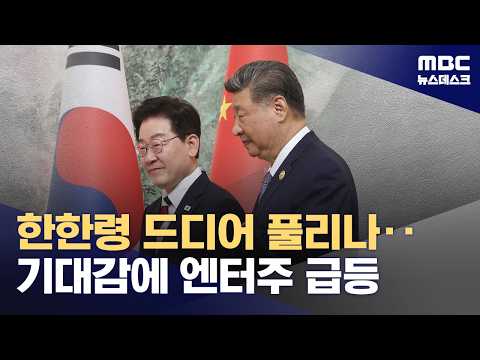
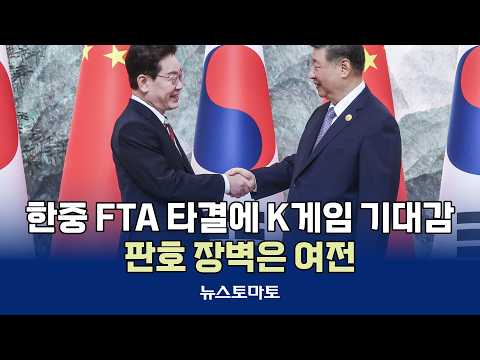
South Korea and China declared on Nov. 18, 2026 that they had substantively concluded eight years and eight months of negotiations to add services and investment to their free trade agreement. The deal covers Korean films, games, tourism, legal services, retail, construction and finance.

The opening matters because China buys about 21% of South Korea's goods but only about 12% of its services. Implementation is not complete: the agreement still needs formal signing, and Chinese agencies control content licenses and quotas. China's informal ban on Korean cultural products was not named in the deal.

Why it matters

If implemented, the deal opens China's service market to Korean content and tourism firms; if not, eight years of talks produce another unsigned framework.

Questions about this story

Free account needed to ask — your question is kept and asked for you right after sign-up. Answers are public.

No questions yet — be the first to ask.

Key Indicators

21%
China's share of South Korea's goods trade
China is South Korea's largest goods trading partner.
12%
China's share of South Korea's services trade
Seoul said services trade with China has much more room to grow.
8 years, 8 months
Length of services and investment negotiations
Talks began in March 2018 and had been stalled for more than four years.
23
Chinese regions open to Korean outbound travel agencies
Korean agencies there can organize overseas trips for Chinese citizens and foreign residents.

Voices

Curated perspectives — historical figures and your fellow readers.

Sign up to generate historical perspectives on this story.

People Involved

Organizations Involved

Timeline

December 2015 November 2026

5 events Latest: Yesterday
Tap a bar to jump to that date
  1. Seoul details MFN treatment for content

    Latest Briefing

    Seoul says China will treat Korean films and games no worse than other foreign content.

  2. Business lobbies welcome deal

    Reaction

    FKI and KCCI welcome the deal and call for a predictable business environment.

  3. Lee and Xi declare substantive conclusion

    Summit

    The two presidents announce the deal at the APEC summit in Shenzhen.

  4. Services and investment talks begin

    Negotiation

    Seoul and Beijing start follow-up negotiations to liberalize services and investment.

  5. Korea-China FTA takes effect

    Trade agreement

    The original pact covered goods and left services and investment for later talks.

Scenarios

1

Formal signing completes, service openings begin

Likely Resolves by End of 2027

Discussed by: South Korea's Ministry of Trade, Industry and Energy and The Korea Herald

After technical provisions are finalized, Seoul and Beijing sign the agreement and begin implementing travel, legal and distribution openings. Content approvals may still lag because they depend on Chinese regulators.

2

China approves Korean film or game, testing Hallyu thaw

Possible Resolves by Q2 2027

Discussed by: Korea JoongAng Daily, ChosunBiz and the East Asia Institute

Chinese regulators grant a publishing license or release slot to a Korean game or film, the first concrete sign that MFN treatment is being applied. A single approval would not lift the informal ban, but it would show the deal has operational effect.

3

Talks stall, deal remains unsigned

Unlikely Resolves by End of 2027

Discussed by: The East Asia Institute

Working-level talks over technical provisions drag on, and the agreement never reaches formal signature. The services and investment chapter remains a declaration rather than an enforceable pact.

Historical Context

2 moments from history that rhyme with this story — and how they unfolded.

December 2015

Korea-China FTA enters into force (2015)

The original bilateral free trade agreement took effect in December 2015. It covered goods but deferred services and investment to a second phase, with a separate follow-up negotiation.

Then

Follow-up talks began in March 2018.

Now

For years, services and cultural exchanges remained outside the agreement.

Why this matters now

The 2026 conclusion is the second phase that the 2015 pact deferred.

2016

THAAD deployment and Hallyu restrictions (2016)

South Korea deployed the U.S.-led Terminal High Altitude Area Defense system in 2016. China did not formally ban Korean cultural products, but Korean content and group tours faced restrictions that Seoul treated as a de facto ban.

Then

Korean entertainment and tourism firms lost access to the Chinese market.

Now

The restrictions stayed in place for a decade and became a bargaining chip in bilateral relations.

Why this matters now

The 2026 deal's MFN language for films and games is aimed at that informal barrier.

Sources

(9)