


Pull to refresh
Logo
Daily Brief
Following
Why Ranks Sign Up
Korean Air absorbs Asiana to form South Korea's sole flag carrier

Korean Air absorbs Asiana to form South Korea's sole flag carrier

Money Moves

After a six-year, regulator-driven merger, Asiana's brand is retired on December 17, 2026

Today: Korean Air sets December 17 as integration date

Overview

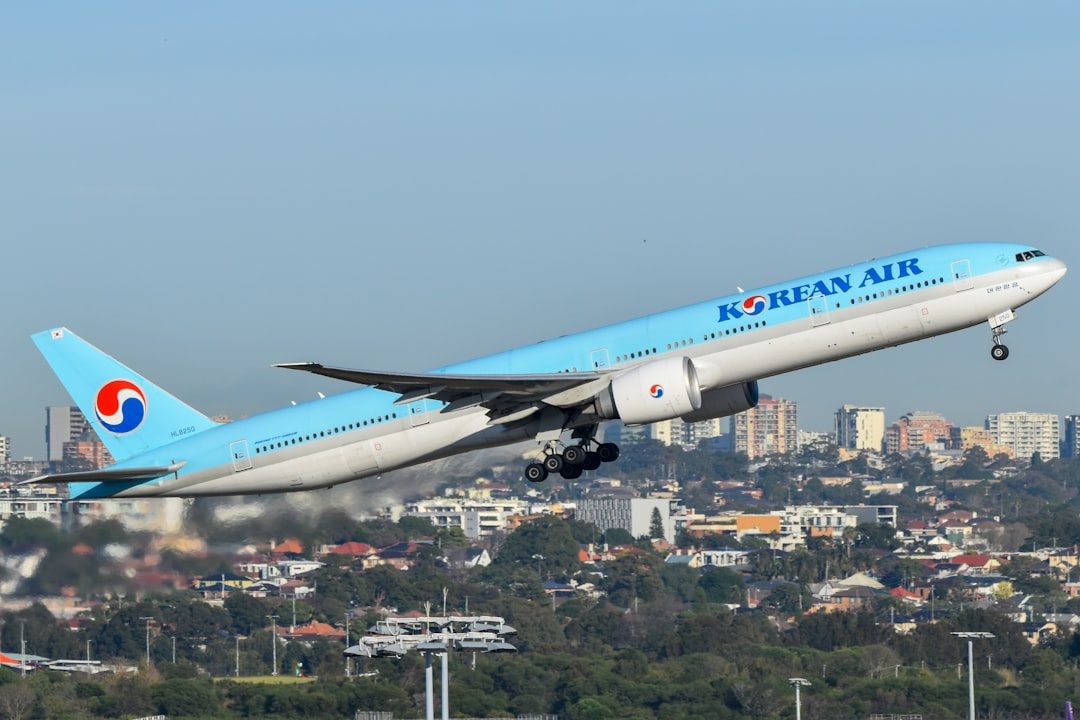
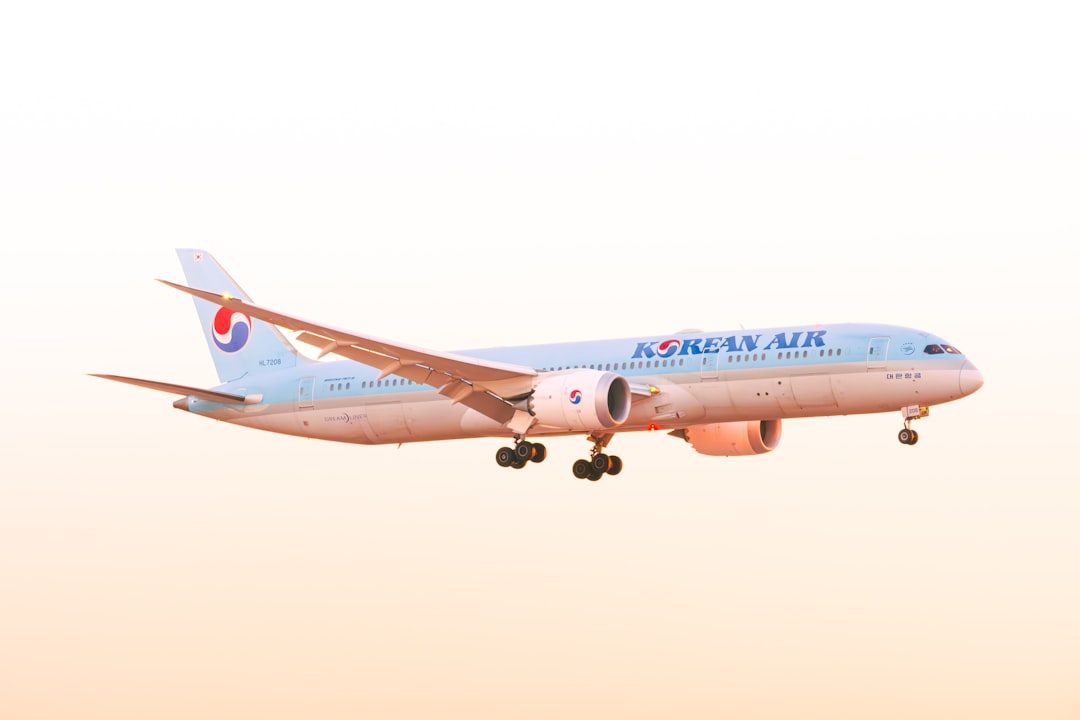
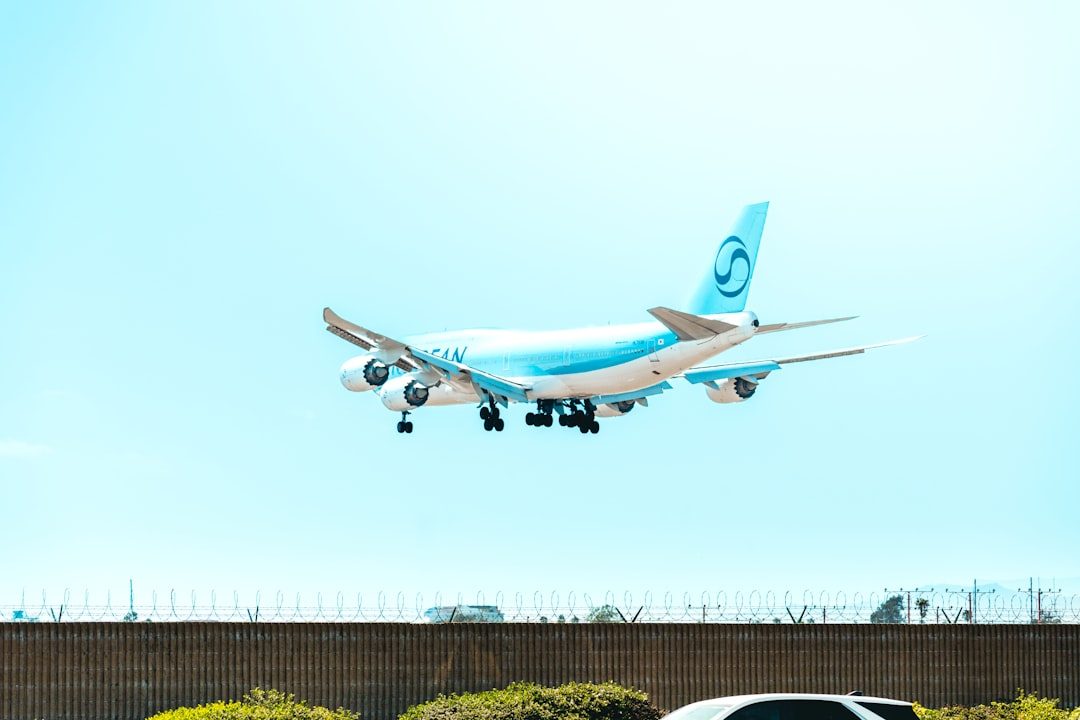
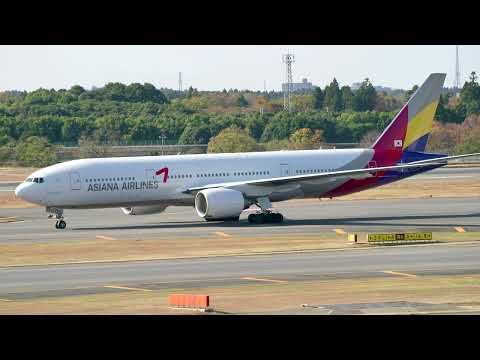
South Korea has had two full-service international carriers since 1988. On December 17, 2026, it will have one. Korean Air confirmed May 26 that on that date it will absorb Asiana Airlines' fleet, staff, routes, and operating certificate, retiring the Asiana brand after 38 years.

The merger, first proposed by the Korean government in November 2020 to rescue a debt-laden Asiana, needed sign-off from 14 antitrust regulators across four continents. The combined airline will fly roughly 250 aircraft and rank among the world's ten largest by capacity.

Why it matters

South Korea is collapsing two flag carriers into one, ending a domestic duopoly and reshaping who flies what routes between Seoul and the rest of the world.

Key Indicators

Dec 17, 2026
Integration date
Asiana's brand and operating certificate retire; Korean Air absorbs all operations.
~250
Combined fleet
About 167 Korean Air aircraft plus 85 from Asiana.
$1.6B
Acquisition price
Korean Air paid 1.5 trillion won for a 63.88% stake in Asiana in December 2024.
14
Regulators that had to approve
Antitrust authorities across Asia, Europe, and North America cleared the deal in stages from 2021 to 2024.
34
Routes requiring remedies
South Korea's Fair Trade Commission ordered slot and traffic-right transfers on overlapping routes.

Voices

Curated perspectives — historical figures and your fellow readers.

Ever wondered what historical figures would say about today's headlines?

Sign up to generate historical perspectives on this story.

Play

Exploring all sides of a story is often best achieved with Play.

Log in to play. Track your picks, climb the leaderboards. Log in Sign Up
Predict 4 ways this could play out. Contrarian picks score more — points lock when the scenario resolves. Log in to play
Higher or Lower Two numbers from this story. Guess which is bigger. 5 rounds to set a streak. Log in to play
Timeline Five events from this story — drag them oldest to newest. Log in to play
Connections Sixteen names from the news. Find the four hidden groups of four. Log in to play

People Involved

Organizations Involved

Timeline

November 2020 May 2026

10 events Latest: Today
Tap a bar to jump to that date
  1. Korean Air sets December 17 as integration date

    Today Announcement

    The carrier confirms it will absorb all of Asiana's assets, staff, and operations on December 17, 2026, retiring the Asiana brand and Air Operator Certificate.

  2. Both boards approve the formal merger agreement

    Corporate

    Directors set the share-conversion ratio at 1 Korean Air share per 0.2736432 Asiana shares.

  3. Korean Air signals Asiana brand will be phased out by end of 2026

    Statement

    The carrier publishes a first-pass integration plan, putting the Asiana brand on a timer.

  4. Acquisition closes; Asiana becomes a Korean Air subsidiary

    Transaction

    Korean Air buys 131.6 million new Asiana shares for 1.5 trillion won, taking a 63.88% stake. Asiana keeps its brand and operating certificate for now.

  5. European Commission approves the merger

    Regulatory

    Brussels clears the deal after Korean Air commits to the T'way Air divestments and air cargo remedies.

  6. T'way Air named to take over four European routes

    Remedies

    Korean Air proposes divesting Barcelona, Frankfurt, Paris, and Rome routes to budget carrier T'way Air to address EU concerns.

  7. U.S. Department of Justice signals it will block the deal

    Regulatory

    The DOJ raises monopoly concerns, forcing Korean Air to restructure the transaction as a 63.88% stake rather than a full merger.

  8. KFTC grants conditional approval with route remedies

    Regulatory

    South Korea's antitrust regulator clears the deal on condition that slots and traffic rights on 34 overlapping routes go to other domestic carriers.

  9. Korean Air files combination reports with 14 regulators

    Regulatory

    Korean Air submits paperwork to the Korea Fair Trade Commission and 13 overseas competition authorities, opening the multi-jurisdiction review.

  10. South Korean government proposes Korean Air–Asiana combination

    Origin

    Seoul's Ministry of Land, Infrastructure and Transport announces a state-brokered deal to rescue debt-laden Asiana by selling it to Korean Air.

Historical Context

3 moments from history that rhyme with this story — and how they unfolded.

October 2002

JAL absorbs Japan Air System (2002)

Japan Airlines merged with Japan Air System, the country's third-largest carrier, after the 2001 travel slump. JAL held just 25% of the domestic market, half of rival ANA's share, and used the deal to bulk up against its competitor.

Then

The combined holding company, Japan Airlines System, became the world's sixth-largest airline by passenger volume. Domestic routes were rebranded under JAL.

Now

JAL still went bankrupt in 2010 under the weight of network overreach, showing that size alone does not solve a flag carrier's structural problems.

Why this matters now

Japan's last flag-carrier consolidation produced a much bigger airline that still struggled with cost structure. Korean Air's challenge is to avoid repeating that arc.

March 2005 - July 2007

Lufthansa acquires Swiss International Air Lines (2005-2007)

Switzerland's Swissair collapsed in 2002 and was reborn as Swiss International Air Lines. Lufthansa announced a takeover in March 2005 and completed integration in July 2007, but kept Swiss as a distinct brand inside the Lufthansa Group.

Then

Swiss kept its livery, hub at Zurich, and crew. Lufthansa absorbed its finances and network planning.

Now

The dual-brand model became Lufthansa Group's template for Austrian, Brussels, and Eurowings — proof that absorbing a former flag carrier doesn't require killing the brand.

Why this matters now

Korean Air is taking the opposite approach: retire the Asiana name entirely. The Swiss case shows there was a different option available.

May 2004

Air France merges with KLM (2004)

Air France and KLM combined under a holding company, Air France-KLM. Both kept separate airlines, operating certificates, and brands. The deal created Europe's largest airline group at the time.

Then

The two carriers coordinated routes and pricing but kept independent operations. Cost synergies were slow to materialize.

Now

Two decades on, both brands still fly. The holding-company model preserved national identities and avoided the labor and political backlash that brand retirement would have triggered in either country.

Why this matters now

Air France-KLM shows a flag-carrier merger that deliberately stopped short of full integration. Korean Air's plan to retire Asiana's brand entirely is the more aggressive path.

Sources

(9)