
Las Vegas Valley adds dual-directional bus shelters for summer heat
Built World Las Vegas, NV localNew shelters are designed to shade riders in both travel directions as the region prepares for extreme heat.
Overview
Las Vegas Valley bus riders will get shade on both sides of the street. New dual-directional shelters are being installed to offer refuge from the summer sun.
The change matters in a desert metro where an unsheltered wait can expose riders to extreme heat. The shelters are a physical adaptation to that condition, not a schedule or fare change.
Why it matters
In a desert metro, a shaded bus stop can turn a punishing wait into a routine one.
Monday: what changed in Las Vegas, NV
One short email a week with the openings, closings, permits and council votes we covered. Free. Unsubscribe in one click.
Questions about this story
Free account needed to ask — your question is kept and asked for you right after sign-up. Answers are public.
No questions yet — be the first to ask.
Key Indicators
Related Media
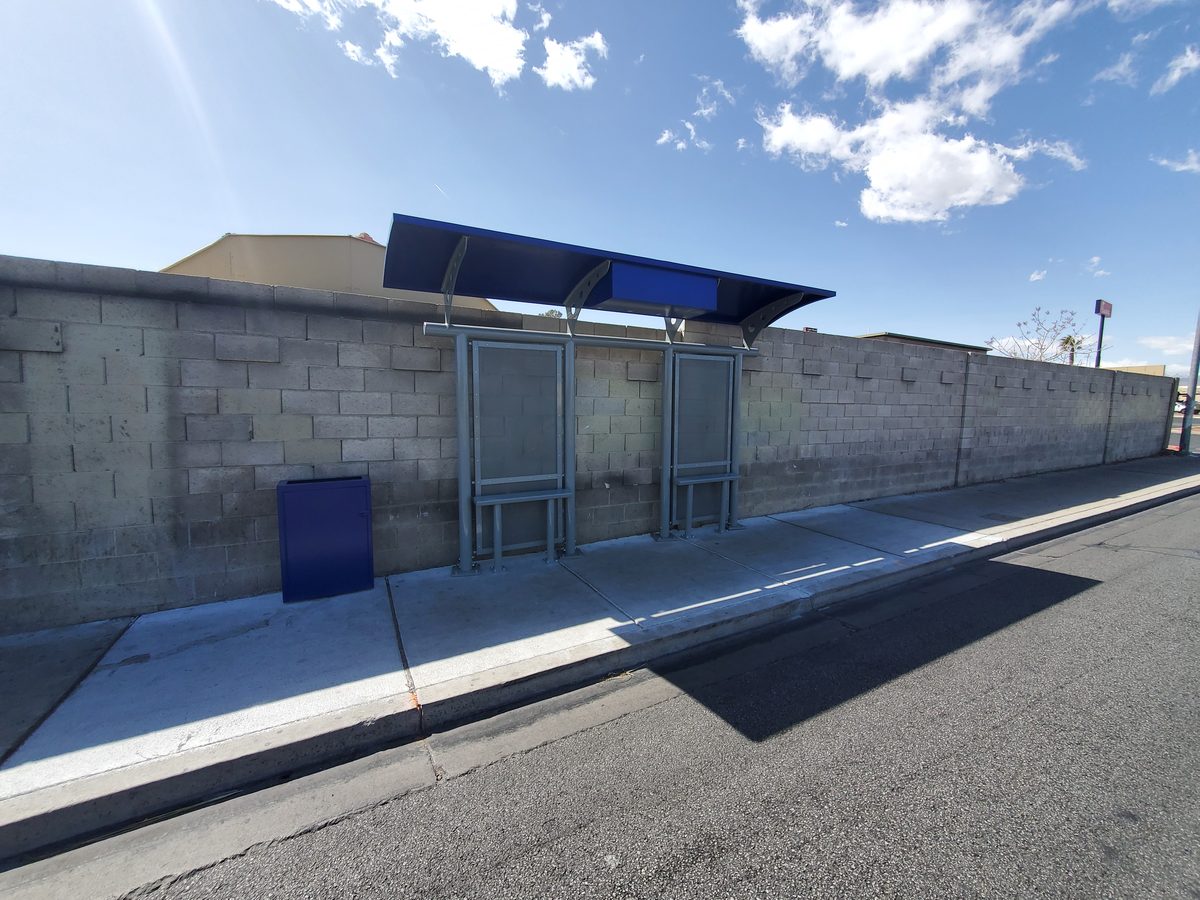
RTC adding shade shelters at bus stops to keep riders cooler in summer heat
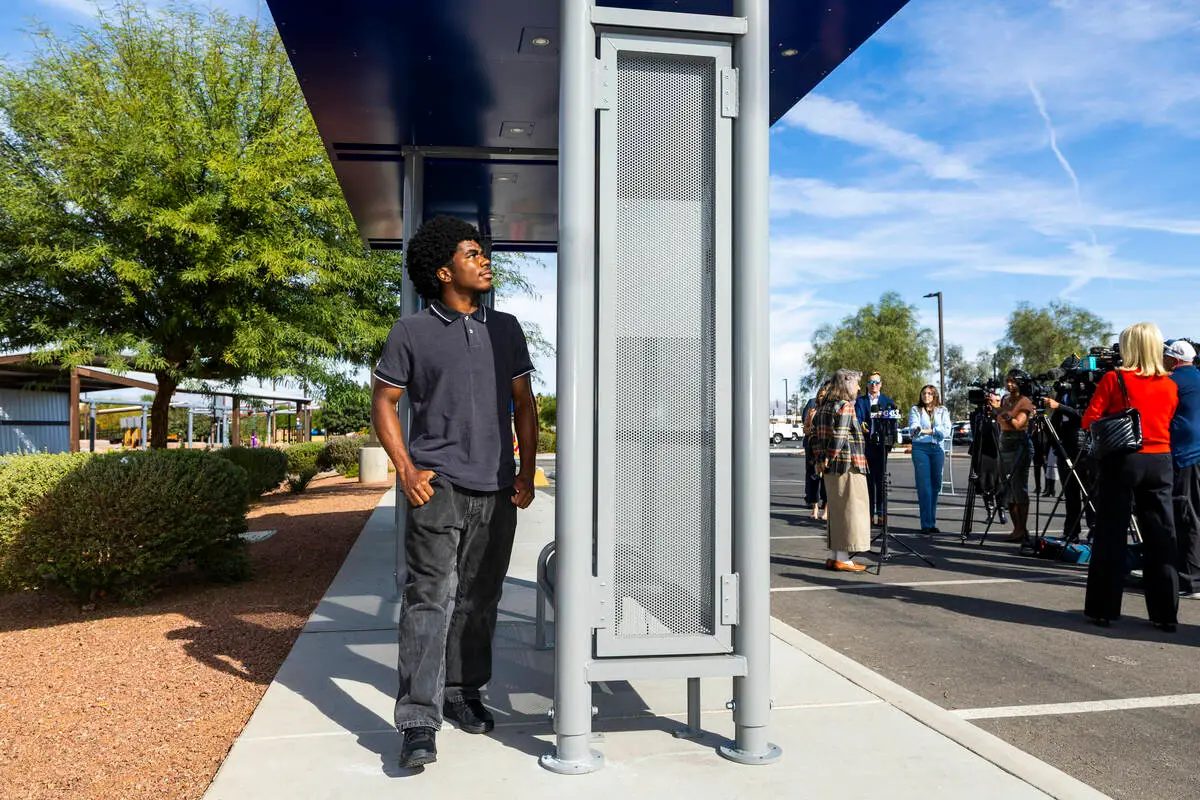
Las Vegas bus riders to have increased shade offerings with new dual-directional shelters | Road Warrior | News | News Columns
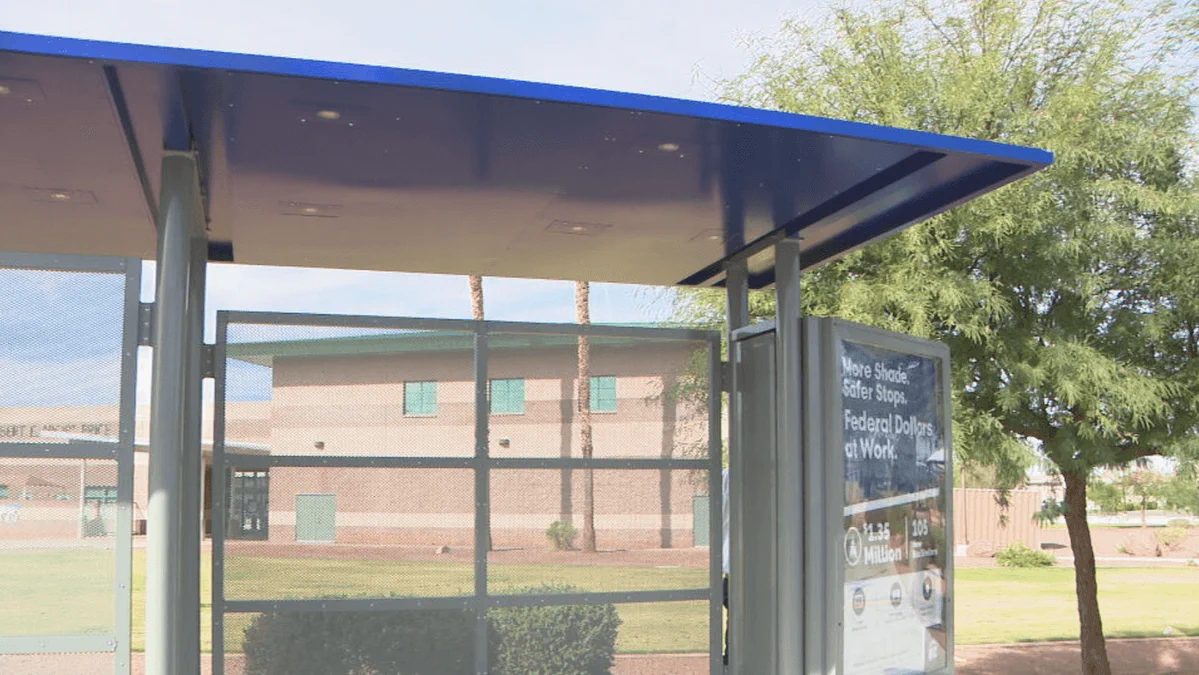
KSNV News 3 Las Vegas on X: "Regional Transportation Commission unveiled a new design for an enhanced bus shelter that improves heat mitigation, safety, and comfort for RTC bus riders. https://t.co/kjkJl5q6aW" /
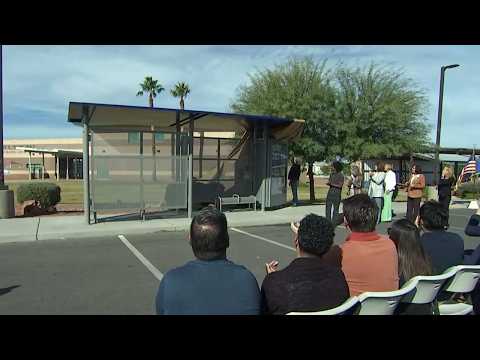
RTC unveils 'dual-direction' bus shelters to battle extreme heat ...
FOX5 Las Vegas
Images from Openverse under Creative Commons licenses. Videos from YouTube.
Voices
Curated perspectives — historical figures and your fellow readers.
Organizations Involved
Timeline
-
Dual-directional bus shelters roll out across Las Vegas Valley
Today InfrastructureThe Regional Transportation Commission of Southern Nevada is installing shelters designed to shade riders from summer sun in both travel directions.
Scenarios
Shelters installed across the valley by summer 2027
Discussed by: Regional Transportation Commission of Southern Nevada rollout as reported by the Las Vegas Review-Journal
The RTC continues installing dual-directional shelters at bus stops before the next summer heat season. Success is measured by physical installation, not just a design announcement.
Rollout slips past the pre-summer window
Discussed by: Las Vegas Review-Journal reporting on the rollout
If installation misses the pre-summer window, riders face another hot season without the new shade. The scenario tracks delay, not design quality.
RTC documents measurable heat relief for riders
Discussed by: Regional Transportation Commission of Southern Nevada
The agency evaluates whether the shelters reduce heat exposure at stops. That would turn a construction milestone into evidence about rider comfort.