
Pull to refresh
Logo
California awards nearly $1.3 billion to transit, including Caltrain downtown extension

California awards nearly $1.3 billion to transit, including Caltrain downtown extension

Built World San Francisco, CA local

State grants aim to prevent Metrolink service cuts and advance Caltrain's downtown San Francisco extension.

Overview

Updated 46 minutes ago

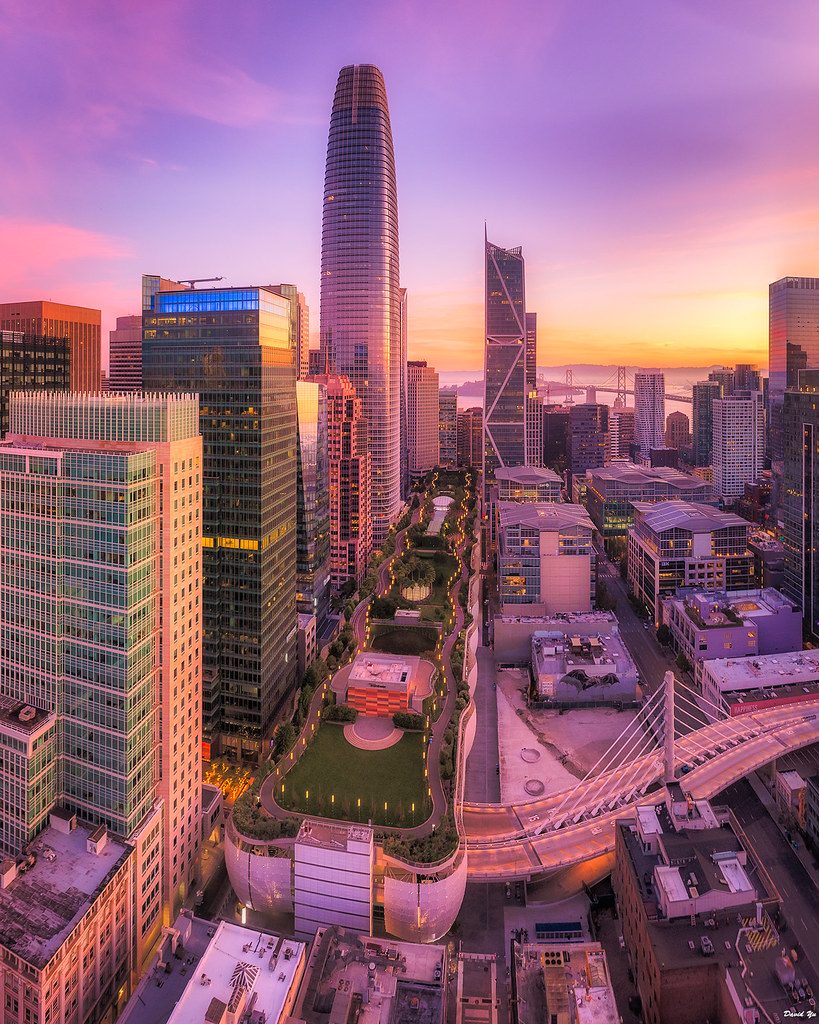
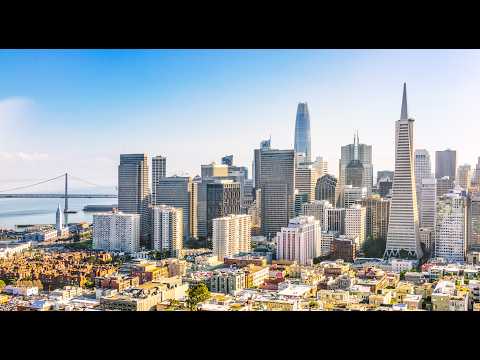
Caltrain's tracks stop at Fourth and King, about two miles short of downtown San Francisco's Salesforce Transit Center. On Nov. 10, California awarded $750 million to advance The Portal, the project that would close that gap and create a future terminus for high-speed rail.

The award is part of nearly $1.3 billion across 28 projects. It includes $20 million to help Metrolink avoid 29% weekday and 40% weekend service cuts through summer 2028, plus more than 75 zero-emission buses and smaller transit vehicles for communities statewide.

Why it matters

The grants keep existing trains running and move a long-planned downtown San Francisco rail link closer to construction, but they do not fully fund it.

Last Monday's email for San Francisco, CA

Sent Nov 9. It carried:

Get next Monday's: one short email a week. Free. Unsubscribe in one click.

Questions about this story

Free account needed to ask — your question is kept and asked for you right after sign-up. Answers are public.

No questions yet — be the first to ask.

Key Indicators

$1.3B
Total state transit awards
Across 28 projects through two state programs.
$750M
Caltrain downtown extension
Goes to The Portal, led by the Transbay Joint Powers Authority.
28
Projects funded
Includes rail, bus, and microtransit awards statewide.
75+
Zero-emission buses and smaller vehicles
Part of the clean fleet expansion.
29%
Metrolink weekday cuts avoided
Compared with its 2025 schedule, through summer 2028.
40%
Metrolink weekend cuts avoided
Compared with its 2025 schedule, through summer 2028.

Voices

Curated perspectives — historical figures and your fellow readers.

Sign up to generate historical perspectives on this story.

People Involved

Organizations Involved

Timeline

2017 November 2026

2 events Latest: 2 days ago
  1. California awards nearly $1.3 billion to 28 transit projects

    Latest Funding

    Includes $750 million for Caltrain's downtown extension and $20 million to prevent Metrolink cuts.

  2. California passes Senate Bill 1

    Funding

    The Road Repair and Accountability Act provides funding for the Transit and Intercity Rail Capital Program and State Rail Assistance.

Scenarios

1

The Portal wins federal full funding agreement

Possible Resolves by End of 2028

Discussed by: Transbay Joint Powers Authority and state officials, who say the project is advancing through the Federal Transit Administration's Capital Investment Grant program.

The $750 million state award is meant to strengthen The Portal's case for federal matching funds. If the Federal Transit Administration signs a full funding grant agreement, the project can move toward construction. The state award does not cover the project's full cost.

2

Metrolink service cuts return after stopgap expires

Possible Resolves by Sep 1, 2028

Discussed by: Metrolink and state officials, who say the funding provides stability while they work on a long-term solution.

The $20 million award is intended to maintain Metrolink service through summer 2028. If Metrolink and its member agencies do not find a long-term funding source, the agency could revive the proposed 29% weekday and 40% weekend cuts after the stopgap ends.

3

California creates dedicated transit operating fund

Uncertain Resolves by Q2 2027

Discussed by: State officials and transit agencies, who say the awards come with an expectation that Metrolink and its member agencies will work with the state on long-term funding.

The awards are one-time capital and operating support. Transit agencies have warned that service budgets need a steady source. If the Legislature passes and the governor signs a bill creating dedicated operating funds, the stopgap approach could become permanent.

Historical Context

3 moments from history that rhyme with this story — and how they unfolded.

2008-present

California High-Speed Rail (2008-present)

California voters approved a $9.95 billion bond for high-speed rail in 2008. The project has since faced cost increases and construction delays, with initial service planned in the Central Valley.

Then

The state began acquiring land and building in the Central Valley.

Now

High-speed rail remains unfinished, and its San Francisco terminus depends on The Portal.

Why this matters now

The Portal is planned as the future San Francisco terminus for high-speed rail, tying the downtown extension to a larger project with a long and uncertain timeline.

1982-2007

Boston's Big Dig (1982-2007)

Boston spent decades planning and building a downtown highway tunnel project. The work faced engineering challenges, cost overruns, and years of construction disruption.

Then

The project opened in phases, with the final tunnel section opening in 2007.

Now

It became a cautionary example of how downtown megaprojects can exceed budgets and timelines.

Why this matters now

The Portal is a downtown underground rail extension with similar engineering and cost risks.

2004-present

Denver's FasTracks (2004-present)

Denver-area voters approved a sales tax increase to fund a major transit expansion. The program later faced cost gaps and had to phase some projects.

Then

Several rail lines opened, but some planned lines were delayed.

Now

The program showed how multi-billion transit plans depend on local matching funds and can face shortfalls.

Why this matters now

California's awards rely on local and regional funding commitments, and The Portal still needs federal and local money to proceed.

Sources

(2)