
Pull to refresh
Logo
California colleges must show students how to appeal financial aid awards

California colleges must show students how to appeal financial aid awards

Rule Changes Los Angeles, CA local

New law requires clear instructions for requesting more aid when offers fall short

Overview

Updated 1 hour ago

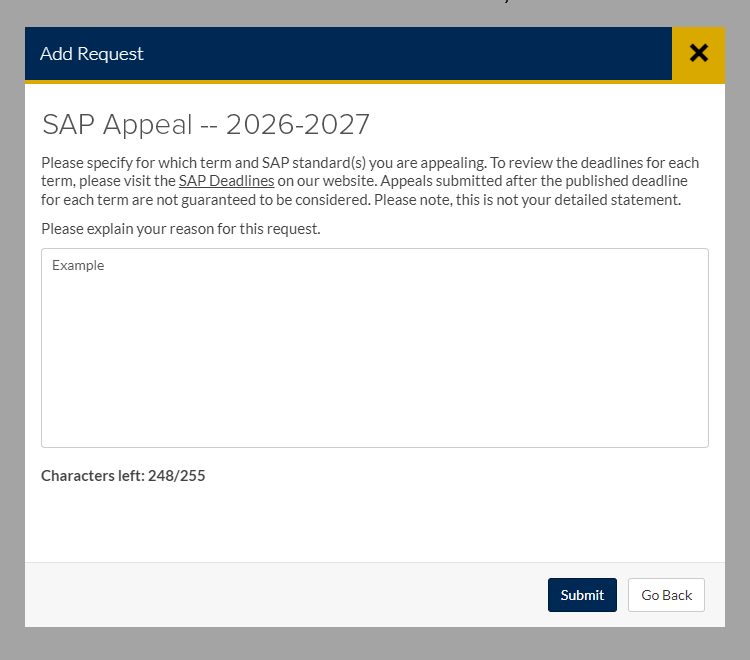
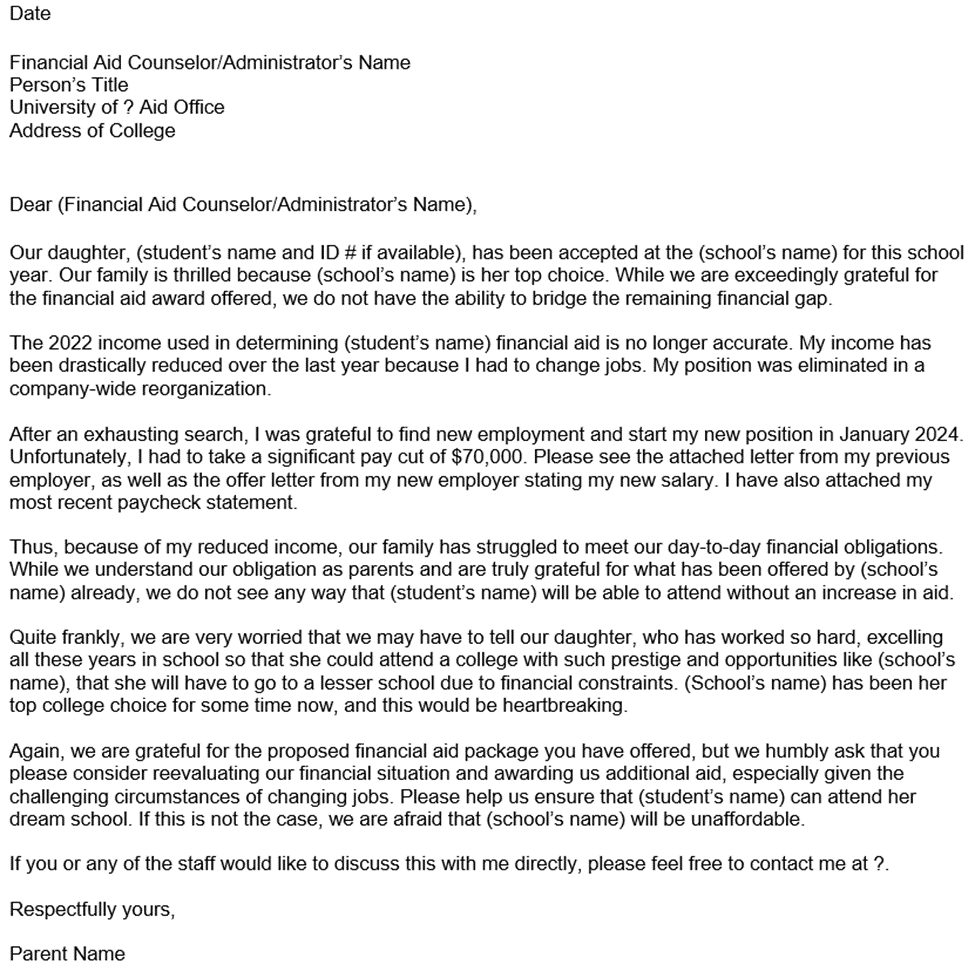
California colleges will now have to tell students exactly how to ask for more financial aid if their award letters don't cover the cost of attendance. The law, reported on November 2, 2026, aims to close an information gap that leaves hundreds of millions in aid unclaimed each year.

Many students don't know they can appeal their aid offers or request adjustments for special circumstances. The new requirement could increase aid uptake and reduce financial barriers, but its impact will depend on how colleges implement it.

Why it matters

If colleges follow through, more California students could get the aid they need to afford college, but without enforcement, the law may be just another form.

Monday: what changed in Los Angeles, CA

One short email a week with the openings, closings, permits and council votes we covered. Free. Unsubscribe in one click.

Questions about this story

Free account needed to ask — your question is kept and asked for you right after sign-up. Answers are public.

No questions yet — be the first to ask.

Key Indicators

45%
FAFSA completion rate
Share of California high school graduates who completed the FAFSA in 2021-22.
$550M
Unclaimed aid
Estimated federal and state aid left on the table in 2020-21.
16%
Application increase
Increase in financial aid applications after California's universal application policy.

Voices

Curated perspectives — historical figures and your fellow readers.

Sign up to generate historical perspectives on this story.

People Involved

Organizations Involved

Timeline

2022 November 2026

4 events Latest: Today
Tap a bar to jump to that date
  1. LAist reports new law on financial aid appeals

    Today Media

    Article details requirement for colleges to disclose how students can request additional aid.

  2. California enacts law requiring financial aid appeal disclosures

    Legislation

    Colleges must clearly show students how to request more aid if awards fall short.

  3. New FAFSA form rollout causes delays and confusion

    Policy

    Simplified federal form faces software and identity verification issues, hindering applications.

  4. California launches universal financial aid application policy

    Policy

    State requires all public high school seniors to complete the FAFSA or CADAA.

Scenarios

1

Colleges comply and aid requests surge

Possible Resolves by Sep 1, 2027

Discussed by: Financial aid experts and student advocates

Colleges update their award letters and websites with clear appeal instructions. Students who previously didn't know they could ask for more aid start filing appeals, leading to higher aid disbursements and reduced unmet need.

2

Colleges comply minimally, little change

Likely Resolves by Sep 1, 2027

Discussed by: Policy analysts

Colleges add a link to a generic page but don't actively inform students. Appeal rates remain flat, and the law's impact is limited.

3

Implementation delayed by budget constraints

Unlikely Resolves by Jan 1, 2027

Discussed by: College administrators

Colleges struggle to update systems and train staff due to funding shortfalls. The law's requirements are postponed or watered down.

Historical Context

3 moments from history that rhyme with this story — and how they unfolded.

2022-2023

California's Universal Financial Aid Application Policy (2022)

California required all public high school seniors to complete the FAFSA or CADAA. The policy aimed to increase aid applications and reduce unclaimed aid.

Then

Applications increased by 16%, with the largest gains among low-income students.

Now

The policy highlighted implementation challenges, including counselor shortages and confusion about enforcement.

Why this matters now

Shows that mandates can increase aid uptake, but success depends on school-level support.

2020-2024

FAFSA Simplification Act (2020)

Congress simplified the federal financial aid application, reducing questions from over 100 to 36. The rollout in 2023-24 was plagued by delays and errors.

Then

Many students faced difficulties completing the form, leading to a drop in applications.

Now

The act introduced the Student Aid Index and changed how aid is calculated, but implementation problems persist.

Why this matters now

Demonstrates that transparency and simplification can backfire without proper execution.

1972

Pell Grant Program (1972)

The federal government established Pell Grants to provide need-based aid to low-income students. It became the largest source of federal grant aid.

Then

Millions of students gained access to college.

Now

The program has been expanded and adjusted over decades, but funding has not kept pace with college costs.

Why this matters now

Shows the importance of clear information about aid, as many eligible students still don't apply.

Sources

(4)