

Pull to refresh
Logo
Newsom signs $7.5 billion research bond into law for March 2028 ballot

Newsom signs $7.5 billion research bond into law for March 2028 ballot

Rule Changes San Francisco, CA local

California creates a state-backed research foundation as a counterweight to federal funding cuts

2 days ago: Newsom signs SB 895

Overview

Updated 1 hour ago

California Governor Gavin Newsom signed Senate Bill 895 on September 30, 2026, putting a $7.5 billion science and health research bond before voters in the March 2028 primary. The measure creates the California Foundation for Science and Health Research, a state agency that would distribute grants and loans for biomedical, climate, wildfire prevention, agriculture, and public health research. It came on Newsom's last day to sign new laws before his term ends.

The bond is a direct response to federal research funding cuts: the federal government froze nearly $600 million in UCLA research grants in July 2025. If voters approve it, California would create a state-level alternative to federal grant programs—a major structural shift in how university research gets funded. If they reject it, the state's universities remain exposed to federal political decisions.

Why it matters

If approved, California would build a $7.5 billion state-run research fund that could partially replace federal grants—changing who controls science funding in the nation's largest research state.

Questions about this story

Free account needed to ask — your question is kept and asked for you right after sign-up. Answers are public.

No questions yet — be the first to ask.

Key Indicators

$7.5B
Bond amount on the 2028 ballot
Total general obligation bonds authorized by SB 895 for science and health research funding.
$1B
Infrastructure allocation
Set aside for maintenance and repairs at University of California and California State University research facilities.
March 7, 2028
Statewide primary election date
When voters will decide whether to approve issuing the bonds.

Voices

Curated perspectives — historical figures and your fellow readers.

Ever wondered what historical figures would say about today's headlines?

Sign up to generate historical perspectives on this story.

People Involved

Organizations Involved

Timeline

July 2025 September 2026

7 events Latest: 2 days ago
Tap a bar to jump to that date
  1. Newsom signs SB 895

    Latest Legislation

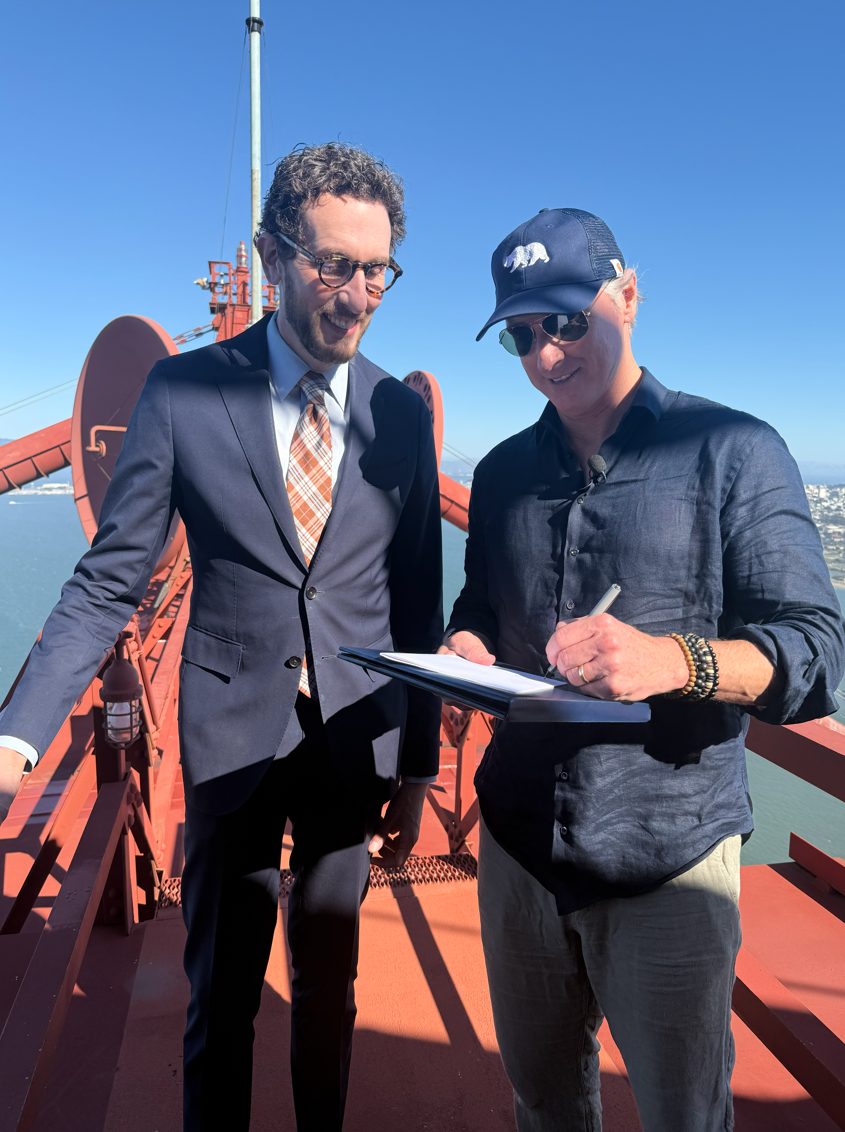
    Governor signed the bill at the Golden Gate Bridge, setting up a March 2028 voter referendum on $7.5 billion in research bonds.

  2. Assembly passes $7.5 billion version

    Legislation

    California Assembly approved the bill with a $7.5 billion bond amount, clearing the path for the 2028 ballot.

  3. Senate passes $12 billion version

    Legislation

    State Senate passed a scaled-down $12 billion version, missing the deadline for November 2026 ballot.

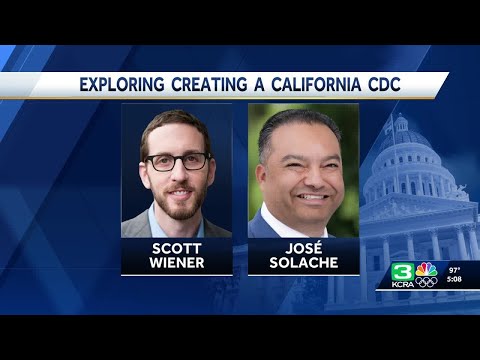
  4. Wiener introduces SB 895

    Legislation

    Senator Scott Wiener introduced a bill proposing a $23 billion research bond.

  5. Federal freeze on UCLA research grants

    Policy

    Federal government froze nearly $600 million in UCLA funding from NSF, NIH, and DOE, citing claims about campus policies.

Scenarios

1

Voters approve the bond, creating a state research powerhouse

Likely Resolves by Mar 8, 2028

Discussed by: UC officials, UAW leadership, Senator Wiener

In March 2028, California voters approve the $7.5 billion bond. The California Foundation for Science and Health Research begins distributing grants in fiscal 2029, providing a stable state-based funding alternative to federal agencies. UC and CSU campuses receive $1 billion for infrastructure repairs. A new institutional layer in American research funding emerges, with California acting as a top-up for scientists who lose federal grants.

2

Bond fails, leaving research vulnerable to federal politics

Unlikely Resolves by Mar 8, 2028

Discussed by: Fiscal conservatives, anti-debt groups

Voters reject the $7.5 billion bond in March 2028, citing cost concerns or skepticism about state-run research. The California Foundation never gets funded. UC and other institutions remain dependent on federal grants, which continue to be subject to political cycles. The state could attempt a smaller program later, but the window for replacing federal funds closes for the foreseeable future.

3

Bond passes but is slow to disburse funds

Possible Resolves by Jun 1, 2029

Discussed by: State budget observers

Voters approve the bond, but implementation lags. Bureaucratic delays, legal challenges to grant-making rules, or state budget pressure postpone initial grants until 2030 or later. The foundation operates with a skeleton staff, and only the $1 billion infrastructure projects move quickly.

Historical Context

One moment from history that rhymes with this story — and how it unfolded.

1945-1950

Vannevar Bush and the creation of the NSF (1945-1950)

In July 1945, engineer Vannevar Bush sent President Truman a report called 'Science: The Endless Frontier.' Bush argued that the federal government should fund basic research to maintain scientific leadership, a response to the success of wartime projects like the Manhattan Project. This led to the creation of the National Science Foundation in 1950.

Then

The NSF began distributing federal grants to university researchers, creating a steady flow of public money for basic science.

Now

The model of government-funded academic research became the backbone of American science, with agencies like NIH and DOE also expanding. Half-century later, this model is being challenged by political interference, prompting California to seek alternatives.

Why this matters now

The NSF's creation established the federal funding model California is now pushing back against. The proposed California research foundation is a state-level parallel to what Bush did federally: creating an institution designed to keep science alive when political winds shift.

Sources

(4)

More from San Francisco, CA

Openings, permits and council decisions in San Francisco, CA, in your inbox every Monday.