
Pull to refresh
Logo
Lupin launches generic Januvia in the US after FDA approval

Lupin launches generic Januvia in the US after FDA approval

Money Moves

Merck's sitagliptin brand recorded an estimated $2.33 billion in US sales in the year to September 2026

Overview

Updated 59 minutes ago

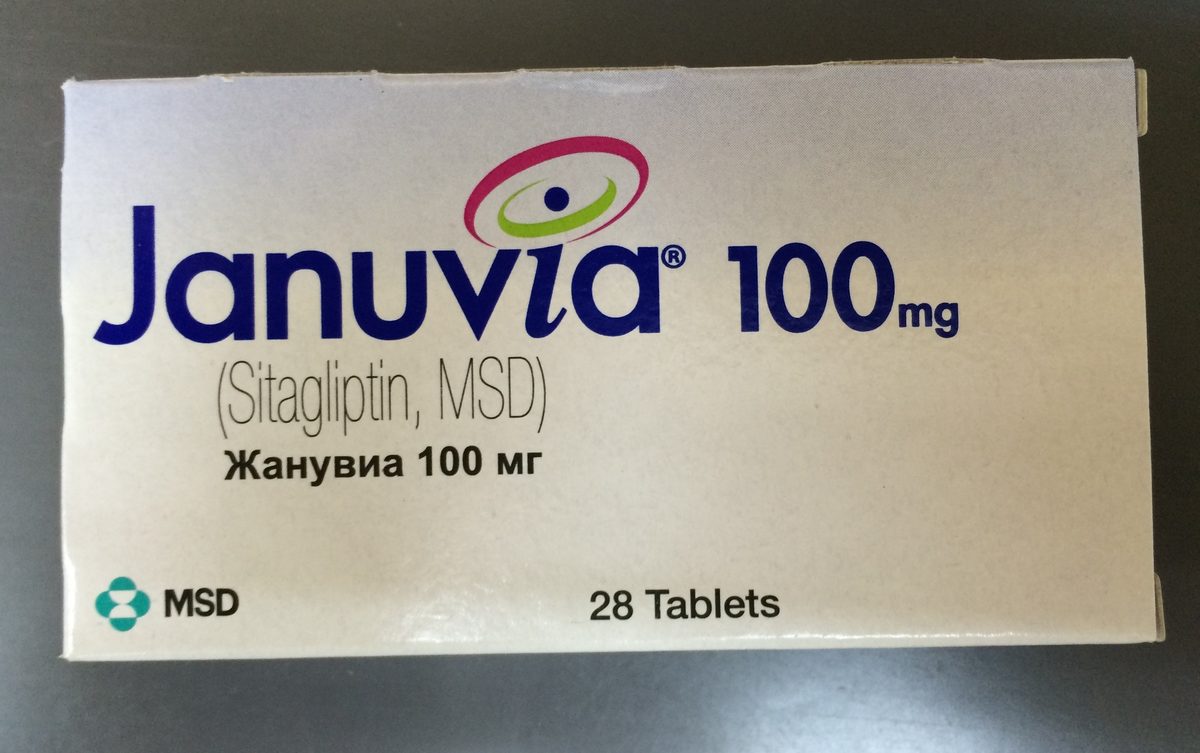
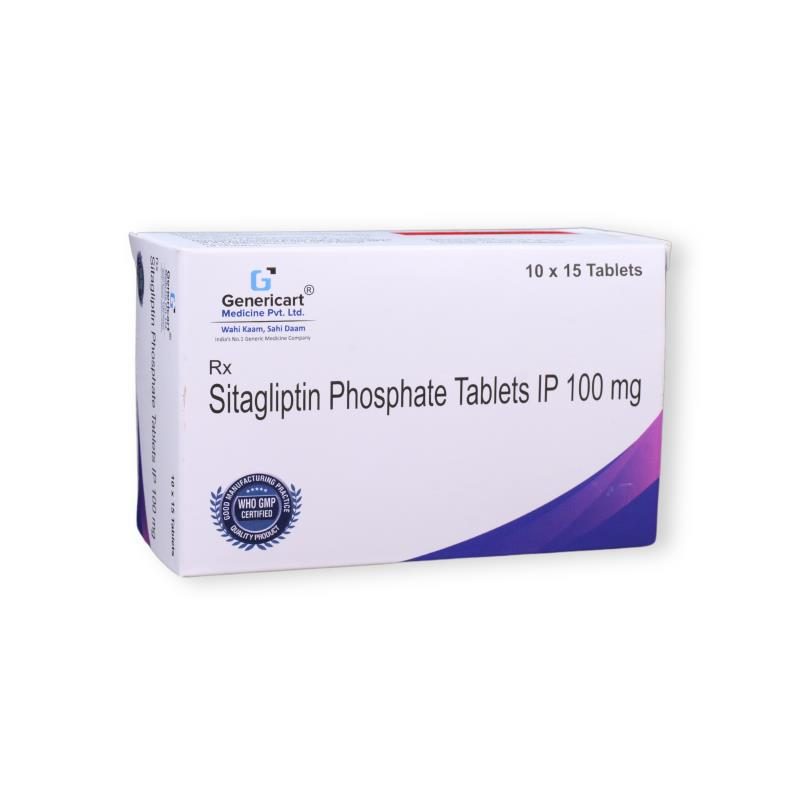
Merck's Januvia sold an estimated $2.33 billion in the US in the year to September 2026. On 27 November, Lupin began selling a copy of the same molecule, sitagliptin, in 25, 50 and 100 milligram tablets.

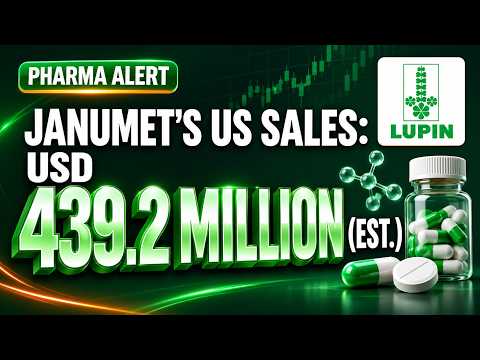
The approval moves one of the largest US diabetes franchises into the generic market, where the first entrants set the price path for everyone after them. It came two days after Lupin won clearance for a copy of Janumet, the sitagliptin-metformin combination, part of four US approvals in five days.

Why it matters

A $2.3 billion US drug now has a generic copy, the step that typically turns a fixed brand price into a falling market price.

Questions about this story

Free account needed to ask — your question is kept and asked for you right after sign-up. Answers are public.

No questions yet — be the first to ask.

Key Indicators

$2.33B
Januvia US annual sales
IQVIA estimate for the 12 months to September 2026, cited by Lupin.
$439.2M
Janumet US annual sales
The sitagliptin-metformin combination Lupin copied two days earlier.
$58.1M
Auryxia US annual sales
Ferric citrate tablets, the kidney drug Lupin cleared on 23 November.
4
US approvals in one week
Ferric citrate, dalbavancin, Janumet copy and Januvia copy, 23 to 27 November.
3
Sitagliptin strengths launched
25 mg, 50 mg and 100 mg tablets.

Voices

Curated perspectives — historical figures and your fellow readers.

Sign up to generate historical perspectives on this story.

People Involved

Organizations Involved

Timeline

4 events Latest: Yesterday
Tap a bar to jump to that date
  1. Lupin launches generic sitagliptin in the US

    Latest Launch

    FDA approves its ANDA and Lupin launches 25, 50 and 100 mg tablets, copying Januvia.

  2. FDA approves Lupin's copy of Janumet

    Approval

    Sitagliptin and metformin tablets cleared in 50/500 mg and 50/1,000 mg. Brand sales: $439.2 million.

  3. FDA approves single-dose dalbavancin for Lupin

    Approval

    A third US clearance in three days, for the antibiotic's single-dose regimen.

  4. FDA clears Lupin's kidney drug copy

    Approval

    Ferric citrate tablets, a copy of Auryxia, win approval. The brand had $58.1 million in US sales.

Scenarios

1

A second generic sitagliptin seller reaches US pharmacies

Likely Resolves by Q2 2027

Discussed by: No published forecast specific to this launch; the scenario follows how US generic markets have behaved once brand exclusivity ends.

Generic drug markets usually draw several manufacturers within months of the first approval. If another ANDA holder launches, sitagliptin prices at the pharmacy counter and in insurer contracts fall faster than with a single seller. Lupin's release does not say whether its version is the first generic on the US market, so the current number of competitors is unclear from the record.

2

Merck's US Januvia revenue halves in 2027

Possible Resolves by Mar 15, 2028

Discussed by: No published forecast specific to this launch; the test is Merck's own annual disclosure.

Brand sales after a generic launch depend on how much volume the copy takes and how quickly. If Lupin and any later entrants win formulary position, Merck's US sitagliptin line falls steeply within a year. A shallower decline would suggest the brand is holding prescriptions through contracts or patient habit.

3

Lupin's US sales grow double digits on the week's approvals

Possible Resolves by May 31, 2027

Discussed by: No published forecast specific to this launch; measured against Lupin's own quarterly reporting.

Lupin's four approvals in five days give it new products in diabetes and kidney care, two areas where US generic volume is large. Whether that shows up as growth depends on pricing and on how much share the copies take from the brands.

Historical Context

2 moments from history that rhyme with this story — and how they unfolded.

November-December 2011

Lipitor goes generic (2011)

Pfizer's atorvastatin, the best-selling prescription drug in the world, lost US market exclusivity at the end of November 2011. Ranbaxy, the first generic filer, launched a copy. Pfizer responded by having Watson sell an authorized generic version alongside it, at a price set to compete with the copies rather than the brand.

Then

Cheap atorvastatin reached US pharmacies within weeks, and Pfizer's US sales of the brand fell steeply through 2012.

Now

The authorized-generic move became a standard brand defence: a company launches its own cut-price copy for the first six months to hold pharmacy shelf space.

Why this matters now

Shows how the first months after a blockbuster goes generic set the price path that later entrants inherit, and how brands fight back.

February 2015

Nexium goes generic (2015)

AstraZeneca's esomeprazole, the heartburn pill sold as Nexium, lost US exclusivity in February 2015. Ranbaxy again launched first, after a long approval struggle at its Indian plants. Pharmacies began substituting the copy for the brand within weeks.

Then

AstraZeneca's US revenue from the brand fell sharply during 2015 as prescriptions switched to the generic.

Now

The case reinforced that a single first-filer can move a large share of a brand's US volume within months, well before other copies arrive.

Why this matters now

The closest template for what Lupin is attempting: one generic maker stepping into a large, well-known US brand with a single molecule.

Sources

(8)