

Pull to refresh
Logo
Lilly and Hims move branded obesity drugs onto the telehealth platform

Lilly and Hims move branded obesity drugs onto the telehealth platform

Money Moves

Hims completes its pivot from compounded copies to FDA-approved GLP-1s, now carrying both Lilly and Novo products

Overview

Updated 1 hour ago

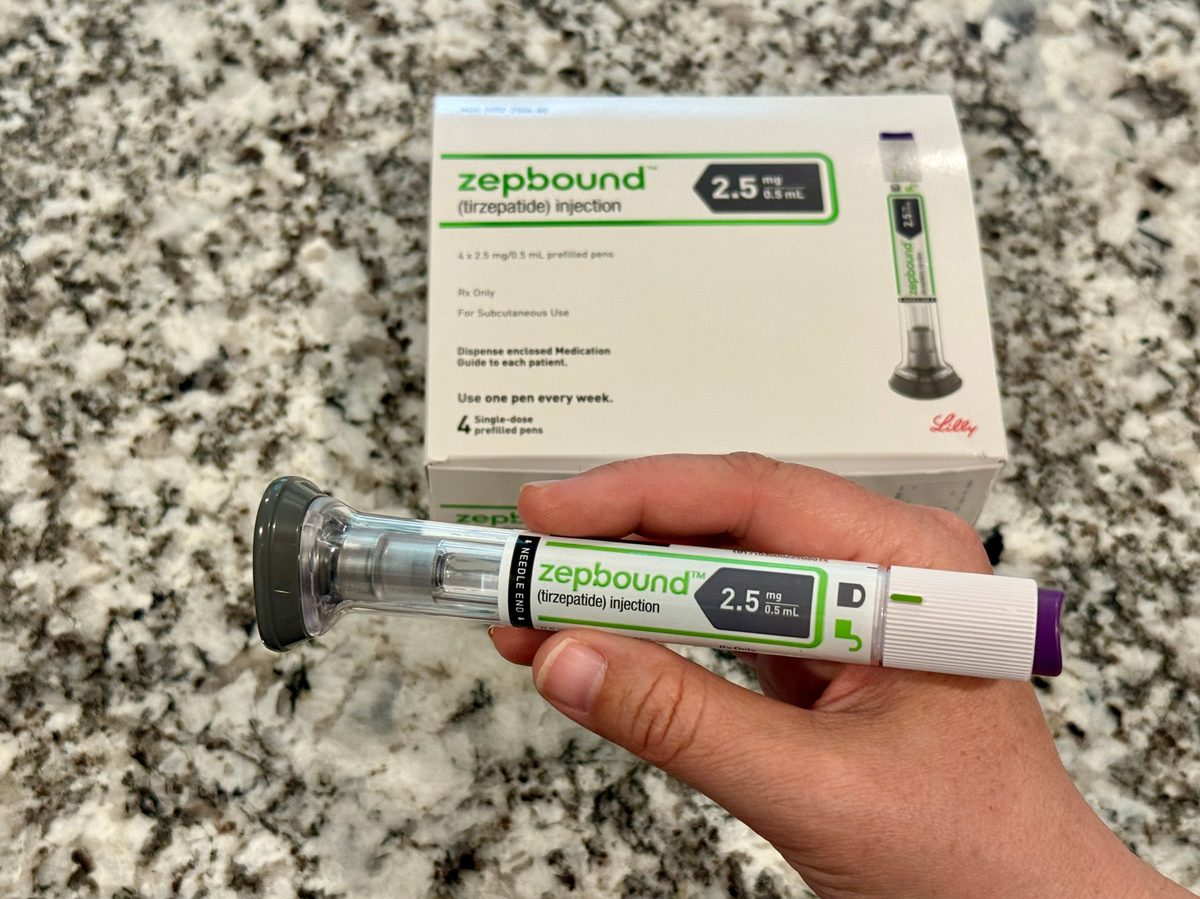
A patient on Hims & Hers can now get a prescription for Eli Lilly's obesity drugs and have them shipped to their door without leaving the app. Before Nov. 6, Lilly's Zepbound and Foundayo were only reachable through Lilly's own cash-pay site, LillyDirect.

The deal completes a turn for Hims, which built its weight-loss business selling compounded copies of GLP-1 drugs during shortages. It now carries the branded products of both dominant makers, Lilly and Novo Nordisk, at the same self-pay prices those companies offer elsewhere.

Why it matters

It folds the two biggest obesity-drug makers into one telehealth checkout, moving millions of self-pay patients from unapproved copies to branded pills and injections.

Questions about this story

Free account needed to ask — your question is kept and asked for you right after sign-up. Answers are public.

No questions yet — be the first to ask.

Key Indicators

$149
Monthly self-pay price for Foundayo
Lilly's daily oral obesity pill, launched in April 2026.
$299
Monthly self-pay price for Zepbound
Lilly's injectable GLP-1, matching LillyDirect pricing.
40–45%
Share of Zepbound sales through self-pay
Lilly's estimate of how much of the drug moves outside insurance.
8%
Hims stock jump on the news
Shares rose to about $26 in premarket trading Nov. 6.
$1.2 trillion
Lilly market valuation
The company's value on the back of obesity-drug demand.

Voices

Curated perspectives — historical figures and your fellow readers.

Sign up to generate historical perspectives on this story.

People Involved

Organizations Involved

Timeline

2024 November 2026

10 events Latest: 3 days ago
Tap a bar to jump to that date
  1. Lilly and Hims announce GLP-1 deal

    Latest Business

    Zepbound and Foundayo become available directly on the Hims platform at self-pay prices.

  2. Servier drug fails mid-stage trial

    Clinical

    Sevasemten misses a motor-function endpoint in Becker muscular dystrophy.

  3. Ultragenyx cuts 20% of workforce

    Business

    The company cuts 1,000 jobs after an Angelman syndrome gene therapy failed.

  4. LifeMD adds Zepbound and Foundayo

    Business

    The telehealth firm says its pharmacy can ship Lilly's drugs at self-pay prices.

  5. Alnylam commercial chief to leave

    Business

    Tolga Tanguler departs as Amvuttra sales doubts weigh on shares.

  6. Lilly launches oral obesity pill Foundayo

    Product

    Foundayo reaches market about three months after Novo's Wegovy pill.

  7. Hims pivots to branded drugs with Novo deal

    Business

    After a Novo legal challenge, Hims begins selling Wegovy and Ozempic.

  8. Hims drops $49 compounded pill plan

    Business

    The move follows FDA plans to restrict GLP-1 ingredients in compounded drugs.

  9. FDA warns Hims over compounded-drug claims

    Regulation

    The agency says Hims made false or misleading claims about compounded semaglutide.

  10. Hims starts selling compounded GLP-1s

    Business

    With brand-name drugs in shortage, Hims offers lower-cost compounded versions.

Scenarios

1

Hims becomes a durable branded-GLP-1 channel

Likely Resolves by Q2 2027

Discussed by: Leerink Partners analyst Michael Cherny; Reuters

Cherny called the Lilly deal a clear positive that completes Hims' access to both leading GLP-1 makers. If patients keep converting to branded drugs through the app, telehealth becomes a standing sales channel for Lilly and Novo rather than a temporary workaround.

2

Compounded GLP-1 sales persist outside major telehealth

Possible Resolves by Q1 2027

Discussed by: Medical Daily; FDA guidance

The Lilly deal binds Hims, not the wider market. Compounded copies can still be sold elsewhere, so patients buying from other sellers face the same questions about what is in the vial.

3

Employer coverage cuts push more patients to self-pay telehealth

Possible Resolves by Jan 31, 2027

Discussed by: Analysts cited by Reuters

Analysts expect Hims may gain next year as employers drop weight-loss drug coverage to control costs, sending patients to cash-pay channels where the platform already competes.

Historical Context

3 moments from history that rhyme with this story — and how they unfolded.

2023–2024

Compounded semaglutide boom (2023–2024)

When brand-name GLP-1 drugs were in shortage, telehealth firms sold compounded copies at lower prices. Hims built a large weight-loss business on these versions, which the FDA does not review for safety or effectiveness before sale.

Then

Compounded sales grew quickly as patients sought cheaper access.

Now

Regulators and brand manufacturers pushed back, setting up the shift to branded drugs.

Why this matters now

Explains why Hims had a compounded business to abandon and why the branded deals matter to its future.

March 2026

Novo Nordisk sues Hims, then partners (2026)

Novo challenged Hims over compounded copies of its drugs. Hims changed course and struck a deal to sell Novo's branded Wegovy and Ozempic through its platform.

Then

Hims exited mass compounding and adopted a branded-drug strategy.

Now

The template carried over to Lilly, making Hims a channel for both major makers.

Why this matters now

The Lilly deal follows the same pattern: a legal fight gives way to a commercial partnership.

September 2025 – February 2026

FDA tightens compounded GLP-1 rules (2025–2026)

The FDA warned Hims about misleading claims on compounded semaglutide, then said it would restrict GLP-1 ingredients used in compounded drugs, citing quality and safety concerns.

Then

Hims dropped plans for a $49 compounded weight-loss pill.

Now

Regulatory pressure accelerated the move toward FDA-approved products.

Why this matters now

Regulation, not just competition, pushed Hims toward the branded deals now in place.

Sources

(5)