

Pull to refresh
Logo
Lupin wins FDA approval for a ready-to-dilute dalbavancin injection

Lupin wins FDA approval for a ready-to-dilute dalbavancin injection

New Capabilities

The 505(b)(2) approval covers only the single-dose regimen for skin infections in adults and children. Lupin has not set a launch date.

Overview

Updated 1 hour ago

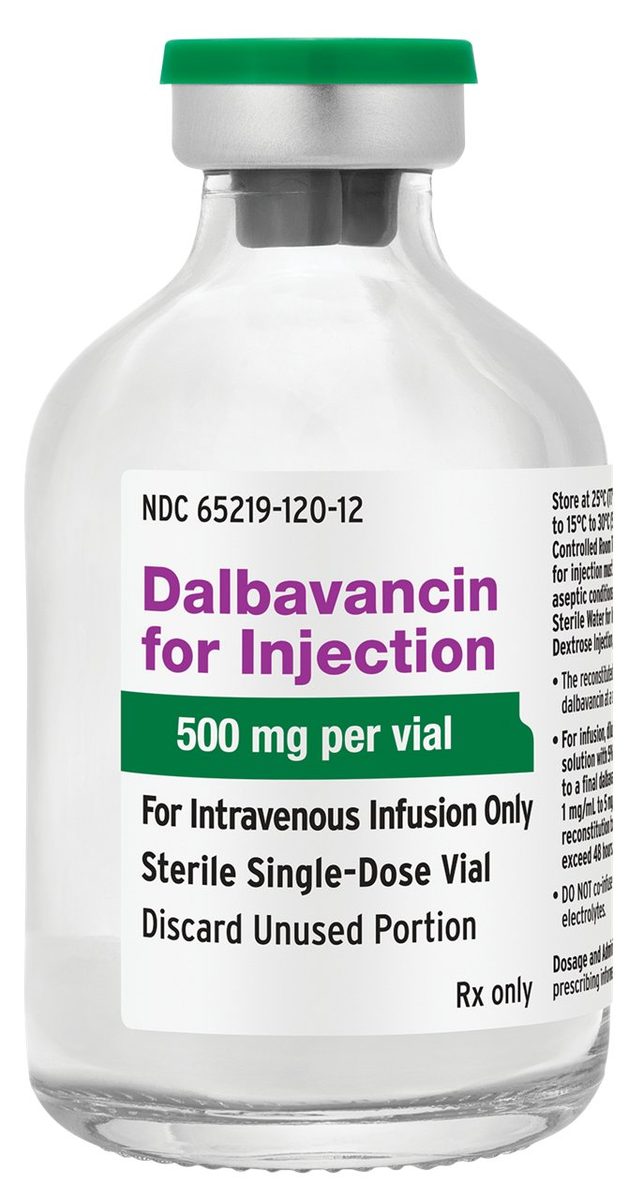
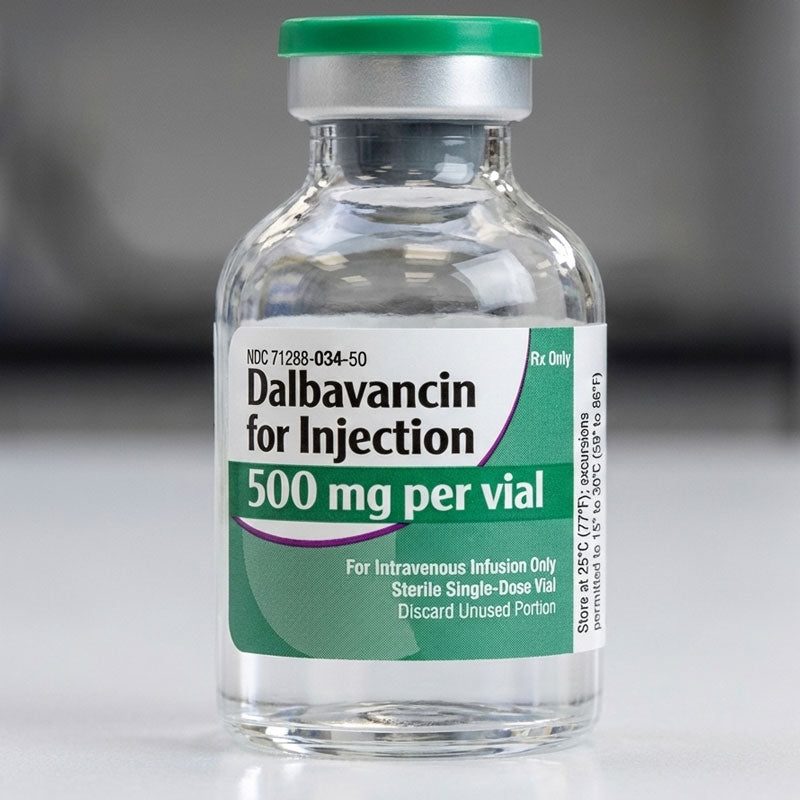
Pharmacists at U.S. hospitals mix dalbavancin from a powder before an infusion. Lupin now has FDA approval to sell the same antibiotic as a liquid that only needs diluting, in a 500 mg single-dose vial.

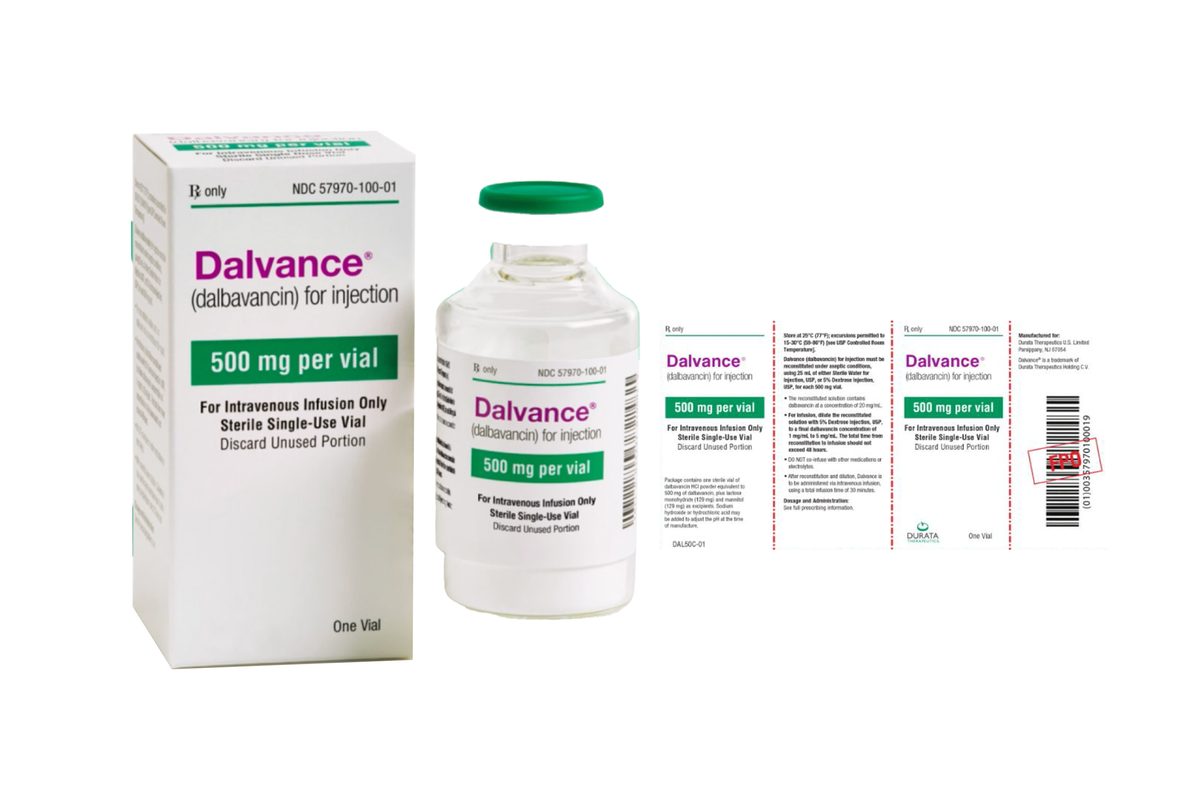
The approval came through the 505(b)(2) pathway, which lets an applicant rely partly on the original drug's data while changing the dosage form. That makes the vial a branded-style competitor to AbbVie's Dalvance, not a generic. Industry data Lupin cited put Dalvance's U.S. sales at $439.2 million in the 12 months to September 2026.

Why it matters

A ready-to-dilute vial shows how Indian drugmakers use 505(b)(2) approvals to sell at branded prices rather than commodity generic prices.

Questions about this story

Free account needed to ask — your question is kept and asked for you right after sign-up. Answers are public.

No questions yet — be the first to ask.

Key Indicators

$439.2M
Reference product's U.S. sales
Dalvance sales in the 12 months to September 2026, per industry data Lupin cited.
2
FDA approvals announced the same day
A dalbavancin new drug application and a sitagliptin-metformin abbreviated application.
24 months
Approved shelf life
Expiry dating granted for storage at 2°C to 8°C, based on submitted stability data.
1
Approved dosing regimens
Only the single-dose regimen is covered by this approval.

Voices

Curated perspectives — historical figures and your fellow readers.

Sign up to generate historical perspectives on this story.

People Involved

Organizations Involved

Timeline

January 2026 November 2026

3 events Latest: 2 days ago
  1. Lupin discloses the approval

    Latest Approval

    Lupin announces the dalbavancin approval and a same-day sitagliptin-metformin clearance.

  2. FDA signs the approval letter

    Regulatory

    The agency approves the application with a 24-month refrigerated shelf life.

  3. Lupin files its dalbavancin application

    Filing

    Lupin submits its 505(b)(2) application for a ready-to-dilute 500 mg/5 mL vial.

Scenarios

1

Lupin starts selling the vial in the U.S. within a year

Likely Resolves by Nov 25, 2027

Discussed by: Trade press covering the approval, including Pharma Industry Report and Kalkine

Lupin converts the approval into a commercial launch, pitching hospitals on a vial that skips the reconstitution step. The company has not named a date or a price, so this depends on manufacturing readiness and on whether hospitals pay a premium for convenience.

2

The approval stays a paper asset

Possible Resolves by Nov 25, 2027

Discussed by: Kalkine, which noted Lupin gave no launch date, pricing or sales guidance

The vial is approved but never marketed at scale, either because Lupin cannot make the economics work against Dalvance or because hospital buyers stay with the incumbent. An approval alone produces no revenue.

3

AbbVie and Lupin settle or license before launch

Uncertain Resolves by Q2 2027

Discussed by: No party has publicly raised this; it is a standard step in 505(b)(2) disputes

A 505(b)(2) applicant must address patents covering the reference drug. No litigation has been reported. If AbbVie holds listed patents it wants enforced, a suit or a licensing deal would set the terms of competition before any sale.

Historical Context

2 moments from history that rhyme with this story — and how they unfolded.

1984

Hatch-Waxman Act (1984)

Congress traded longer patent terms for brand-name drugs against a faster route to market for generic copies. The same law created section 505(b)(2), which lets a company file for a modified version of an approved drug without repeating the full set of new-patient trials.

Then

Generic entry accelerated, and copycat manufacturers built their businesses on the abbreviated pathway.

Now

505(b)(2) became the standard route for new dosage forms, new routes of administration and combination products built on older molecules.

Why this matters now

Lupin's dalbavancin approval is a 505(b)(2) filing, which is why the liquid vial counts as a new product rather than a generic.

2014

Dalvance's approval and ownership chain (2014)

Durata Therapeutics won FDA approval for dalbavancin, sold as Dalvance, as an intravenous antibiotic for acute bacterial skin infections. Actavis bought Durata the same year.

Then

Dalvance later added a single-dose regimen, the one Lupin's approval covers.

Now

The product passed through Actavis, which renamed itself Allergan, and then to AbbVie in its 2020 acquisition of Allergan.

Why this matters now

It is the reference product Lupin's vial competes against, with $439.2 million in U.S. sales in the year to September 2026.

Sources

(5)