


Pull to refresh
Logo
Daily Brief
Following
Why Sign Up
Food and Drug Administration approves first once-weekly basal insulin

Food and Drug Administration approves first once-weekly basal insulin

New Capabilities
By Newzino Staff |

Awiqli marks the first change in insulin dosing frequency in over a century of diabetes treatment

3 days ago: FDA approves Awiqli, first once-weekly basal insulin

Overview

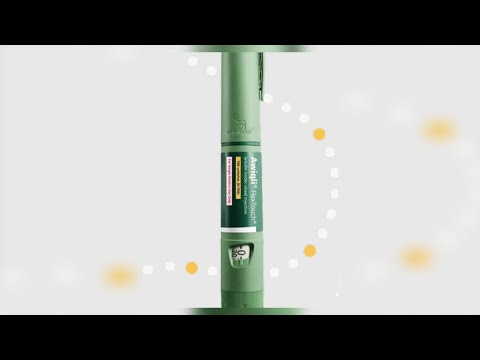
For 104 years, every insulin on the market has required at least one injection per day. On March 26, the Food and Drug Administration (FDA) approved Awiqli, a once-weekly basal insulin made by Novo Nordisk, for adults with type 2 diabetes — cutting the number of basal insulin injections from 365 to 52 per year.

Why it matters

A weekly insulin option could persuade millions of resistant patients to start treatment that controls their blood sugar and prevents serious complications.

Key Indicators

104 years
Time since insulin's discovery
Every prior insulin formulation required at least daily injection since 1922.
52 vs. 365
Annual injections
Awiqli reduces basal insulin injections from daily to weekly.
93.7%
Patient preference
Share of clinical trial participants who preferred weekly over daily dosing.
~40 million
Americans with diabetes
Approximately 12% of the United States population has diagnosed or undiagnosed diabetes.

Interactive

Exploring all sides of a story is often best achieved with Play.

Ever wondered what historical figures would say about today's headlines?

Sign up to generate historical perspectives on this story.

Sign Up

Debate Arena

Two rounds, two personas, one winner. You set the crossfire.

People Involved

Organizations Involved

Timeline

  1. FDA approves Awiqli, first once-weekly basal insulin

    Regulatory

    The FDA approved Awiqli (insulin icodec) for adults with type 2 diabetes, making it the first insulin in history that does not require daily injection.

  2. Novo Nordisk resubmits application for type 2 diabetes only

    Regulatory

    After resolving manufacturing issues and dropping the type 1 diabetes indication, Novo Nordisk resubmitted its biologics license application narrowed to type 2 diabetes.

  3. FDA issues complete response letter rejecting application

    Regulatory

    The FDA rejected insulin icodec's initial application, citing manufacturing concerns and safety issues in the type 1 diabetes population.

  4. FDA advisory committee votes against type 1 diabetes indication

    Regulatory

    The FDA's Endocrinologic and Metabolic Drugs Advisory Committee voted 7–4 that insulin icodec's benefits did not outweigh risks for type 1 diabetes, citing higher hypoglycemia rates.

  5. Novo Nordisk submits biologics license application to FDA

    Regulatory

    Novo Nordisk filed its initial biologics license application for insulin icodec covering both type 1 and type 2 diabetes.

  6. Novo Nordisk begins phase 3 ONWARDS program

    Clinical Trial

    Novo Nordisk launched the ONWARDS clinical trial program, comprising six phase 3 trials testing insulin icodec against daily basal insulins in approximately 4,300 adults.

  7. Lantus approved as first long-acting basal insulin analog

    Regulatory

    The FDA approved insulin glargine (Lantus), the first long-acting basal insulin analog providing roughly 24-hour coverage with once-daily dosing.

  8. First human insulin injection

    Medical Milestone

    Fourteen-year-old Leonard Thompson receives the first insulin injection given to a human patient at Toronto General Hospital.

  9. Banting and Best isolate insulin

    Discovery

    Frederick Banting and Charles Best at the University of Toronto isolate insulin from a dog's pancreas, laying the groundwork for diabetes treatment.

Scenarios

1

Weekly insulin becomes standard of care for new type 2 diabetes patients starting basal insulin

Discussed by: Endocrinologists interviewed by Healio and STAT News; clinical researchers publishing in The Lancet

If Awiqli's pricing is competitive with existing long-acting daily insulins and insurance formularies grant broad coverage, the convenience advantage could make weekly insulin the default starting point for the millions of type 2 diabetes patients who initiate basal insulin each year. The 93.7% patient preference rate in clinical trials suggests rapid adoption once access barriers are resolved. Eli Lilly's efsitora alfa entering the market would accelerate this shift by creating price competition.

2

Pricing and formulary restrictions limit Awiqli to a niche product

Discussed by: Canada's Drug Agency (CADTH) reimbursement review; health economists analyzing insulin market dynamics

If Novo Nordisk prices Awiqli at a significant premium to daily basal insulins, insurers and pharmacy benefit managers may restrict access through prior authorization requirements or unfavorable formulary placement. This happened with other branded insulin innovations. The result would be adoption concentrated among patients with generous insurance coverage, while the majority of insulin users stay on daily generics.

3

Approval expands to type 1 diabetes after further study

Discussed by: Novo Nordisk corporate communications; type 1 diabetes advocacy organizations

The FDA rejected icodec for type 1 diabetes due to higher hypoglycemia rates, but future trials with refined dosing protocols, continuous glucose monitoring integration, or modified formulations could address the safety gap. If Novo Nordisk or competitors generate sufficient safety data, regulators could eventually authorize weekly insulin for the 2 million Americans with type 1 diabetes. This path would likely take several years.

4

Competition between Awiqli and efsitora alfa drives down weekly insulin prices

Discussed by: Biotech analysts at BioSpace; pharmaceutical industry coverage by STAT News

Eli Lilly's efsitora alfa showed a 40% lower rate of severe hypoglycemia compared to daily insulin in trials — a potential advantage over Awiqli's safety profile. If both weekly insulins reach market within a year of each other, the resulting competition could pressure prices downward and push insurers to cover at least one weekly option broadly, benefiting patients. This dynamic echoes the GLP-1 market, where Novo Nordisk and Lilly compete on both efficacy and access.

Historical Context

Discovery of insulin and first human treatment (1921–1922)

July 1921 – January 1922

What Happened

Frederick Banting and Charles Best isolated insulin from a dog's pancreas at the University of Toronto in the summer of 1921. On January 11, 1922, 14-year-old Leonard Thompson became the first human to receive an insulin injection, transforming type 1 diabetes from a death sentence into a manageable condition. Banting and laboratory director J.J.R. Macleod received the Nobel Prize in 1923.

Outcome

Short Term

Commercial insulin production began within a year. Patients who would have died within months gained decades of life.

Long Term

Insulin became one of the most important drugs in medical history, but required daily injection for over a century — a burden Awiqli now begins to reduce.

Why It's Relevant Today

Awiqli is the first fundamental change to insulin dosing frequency since insulin therapy began 104 years ago, making this approval one of the most significant milestones in the drug's history.

Introduction of long-acting insulin glargine, Lantus (2000)

April 2000

What Happened

The FDA approved insulin glargine (Lantus), the first long-acting basal insulin analog, manufactured by Sanofi. Lantus provided approximately 24-hour glucose-lowering activity with a single daily injection, replacing older formulations like NPH insulin that required twice-daily dosing and caused more unpredictable blood sugar swings.

Outcome

Short Term

Lantus became the world's best-selling insulin, generating over $7 billion annually at its peak. It simplified diabetes management for millions.

Long Term

Long-acting analogs became the standard of care for basal insulin therapy, but the once-daily injection requirement remained unchanged for the next 26 years.

Why It's Relevant Today

Lantus halved the injection frequency from twice daily to once daily. Awiqli now takes the next leap, reducing it to once weekly — a proportionally larger reduction in patient burden.

Inflation Reduction Act insulin price cap (2022)

August 2022

What Happened

The United States Congress passed the Inflation Reduction Act, which capped out-of-pocket insulin costs at $35 per month for Medicare Part D enrollees beginning January 2023. The cap addressed decades of insulin price increases that had forced some patients to ration doses, with documented cases of rationing-related deaths.

Outcome

Short Term

Approximately 50,000 additional insulin prescriptions per month among Medicare beneficiaries, suggesting cost had been a barrier to treatment.

Long Term

Established the political precedent that insulin pricing is a federal policy issue, though the cap does not yet apply to all privately insured or uninsured patients.

Why It's Relevant Today

Awiqli arrives in a market where insulin affordability is already a major policy issue. Its pricing and insurance coverage will determine whether the weekly convenience advantage reaches the patients who stand to benefit most, or becomes another premium-priced innovation accessible mainly to the well-insured.

Sources

(10)