


Pull to refresh
Logo
Roche's sefaxersen meets phase 3 goal, joining IgAN market battle with Novartis

Roche's sefaxersen meets phase 3 goal, joining IgAN market battle with Novartis

New Capabilities

Sefaxersen cut proteinuria versus placebo at 37 weeks in the IMAgINATION study, clearing the way for regulatory talks.

Today: Sefaxersen meets phase 3 primary endpoint in IgAN

Overview

Updated 1 hour ago

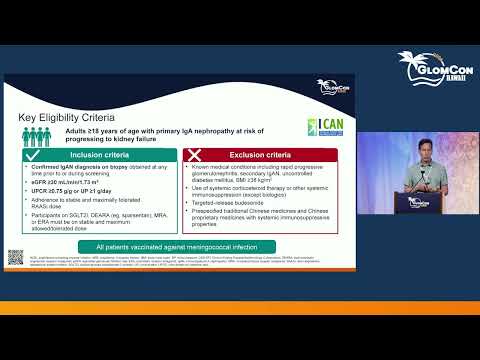
Roche's experimental IgA nephropathy drug sefaxersen met its phase 3 primary endpoint on September 23, cutting proteinuria versus placebo at 37 weeks in the IMAgINATION study. The result, from a prespecified interim look, was strong enough that Roche is taking it to health authorities and planning a medical meeting presentation.

IgA nephropathy is a progressive kidney disease that hits young adults; up to half of patients reach kidney failure within 20 years. The market is already taking shape: Novartis' Fabhalta won traditional FDA approval in July 2026, and Travere's Filspari is approved. Sefaxersen works differently, silencing complement factor B at the RNA level in the liver, upstream of the factor B protein inhibitor Novartis sells.

Why it matters

A new treatment for IgA nephropathy, the kidney disease that strikes young adults, could reshape care and pricing in a market Novartis currently dominates.

Questions about this story

Free account needed to ask — your question is kept and asked for you right after sign-up. Answers are public.

No questions yet — be the first to ask.

Key Indicators

459
Patients enrolled in the IMAgINATION study
Randomized 1:1 to sefaxersen or placebo for 105 weeks.
44%
Fabhalta's proteinuria reduction at its 2024 accelerated approval
The benchmark sefaxersen's undisclosed effect size will be compared against.
48%
Fabhalta's slowing of kidney-function decline over two years
Confirmatory data behind Novartis' traditional approval in July 2026.
$2.1B
Ionis cash and short-term investments
Partner's balance sheet at June 30, 2026; it holds milestone and royalty rights on sefaxersen.

Voices

Curated perspectives — historical figures and your fellow readers.

Ever wondered what historical figures would say about today's headlines?

Sign up to generate historical perspectives on this story.

People Involved

Organizations Involved

Timeline

August 2024 September 2026

4 events Latest: Today
Tap a bar to jump to that date
  1. Sefaxersen meets phase 3 primary endpoint in IgAN

    Today Clinical trial

    IMAgINATION cut proteinuria versus placebo at 37 weeks; no new safety signals. Roche will share results with health authorities.

  2. Ionis confirms phase 3 win in 8-K filing

    Today Corporate filing

    Ionis reiterated eligibility for regulatory milestones and royalties on sefaxersen sales, reporting the primary endpoint result.

  3. Novartis wins traditional approval for Fabhalta in IgAN

    Regulatory

    Confirmatory data showed Fabhalta slowed kidney-function decline by 48% versus placebo over two years.

  4. FDA grants Fabhalta accelerated approval for IgAN

    Regulatory

    Novartis' iptacopan won approval on a 44% proteinuria reduction, the first complement inhibitor approved for IgAN.

Scenarios

1

Sefaxersen wins accelerated approval, enters market by 2028

Likely Resolves by End of 2027

Discussed by: Clinical Trial Vanguard noted the urine protein-to-creatinine ratio surrogate carries direct regulatory weight, citing prior accelerated approvals; Roche said it will share interim results with health authorities.

Roche submits the interim proteinuria data to the FDA. If regulators accept the surrogate as they did for Fabhalta and for a similar IgAN drug in 2025, approval could arrive within a year of submission. The week-105 estimated glomerular filtration rate study continues in the background, with post-marketing confirmation a likely condition.

2

Effect size revealed as mid-pack, limiting share

Uncertain Resolves by Q2 2027

Discussed by: Clinical Trial Vanguard wrote that the undisclosed absolute proteinuria reduction will determine whether sefaxersen competes on effect size; cross-trial comparison against Fabhalta's 44% is the open question.

When the full interim dataset is presented, the placebo-adjusted proteinuria reduction lands below Fabhalta's 44%. Sefaxersen still wins approval, but physicians and payers see it as a comparable rather than superior option. Roche competes on dosing convenience and price instead of efficacy.

3

FDA holds sefaxersen to eGFR data, delaying launch

Possible Resolves by End of 2028

Discussed by: Mugglehead noted the week-105 kidney-function comparison remains the study's longer test, and neither company has disclosed FDA feedback on study design or an application timetable.

The FDA decides the interim proteinuria data alone is insufficient and requires the week-105 kidney-function results before filing. Any approval pushes to 2028 or later, giving Novartis and Travere more time to lock in the market with real-world evidence and contracts.

Historical Context

3 moments from history that rhyme with this story — and how they unfolded.

2007-2020

Soliris builds the complement franchise (2007-2020)

Alexion's Soliris (eculizumab), a C5 complement inhibitor, won approval for paroxysmal nocturnal hemoglobinuria in 2007 and expanded into other complement-driven diseases, becoming one of pharma's most valuable rare-disease franchises.

Then

Alexion grew into a multibillion-dollar company on the back of Soliris and its successor, Ultomiris.

Now

AstraZeneca bought Alexion for $39 billion in 2020, betting that complement inhibition would pay off across indications.

Why this matters now

Sefaxersen is licensed for complement-mediated diseases broadly, not just IgAN; the complement market's history shows winners expand cross-indication, which is where blockbuster value sits.

July-August 2015

PCSK9 inhibitor race (2015)

Sanofi and Regeneron's Praluent and Amgen's Repatha won FDA approval weeks apart in 2015, both targeting PCSK9 to lower cholesterol. Both launched near $14,000 a year, then cut prices by more than half after insurers pushed back.

Then

A pricing and access war with pharmacy benefit managers followed, with contracts deciding most share.

Now

Both drugs became standard care despite a contested start, showing that two same-target drugs can split a market rather than one winning outright.

Why this matters now

Sefaxersen and Fabhalta both target complement factor B in IgAN; this parallel shows how effect size, dosing, and price, not mechanism alone, decide share when two drugs chase the same biology.

December 2021

Tarpeyo for IgAN (2021)

The FDA approved Calliditas' Tarpeyo (budesonide), the first therapy specifically for IgA nephropathy, under accelerated approval based on a proteinuria surrogate. It worked through gut-associated lymphoid tissue rather than complement.

Then

IgAN finally had a targeted option beyond generic blood pressure control and supportive care.

Now

The approval validated IgAN as a drug market big enough for larger entrants; Novartis won Fabhalta's approval in 2024 and 2026, and Roche is now pursuing the same space.

Why this matters now

It marks the start of the market Roche now wants to enter, and shows that first approval does not guarantee category leadership.

Sources

(10)