


Pull to refresh
Logo
Canada lists the Mackenzie Valley Highway as a project of national interest

Canada lists the Mackenzie Valley Highway as a project of national interest

Built World

The 800-kilometre road would give three Sahtu communities year-round access for the first time. Ottawa says it will cover the full $4.2 billion and finish by 2032.

Overview

Updated 1 hour ago

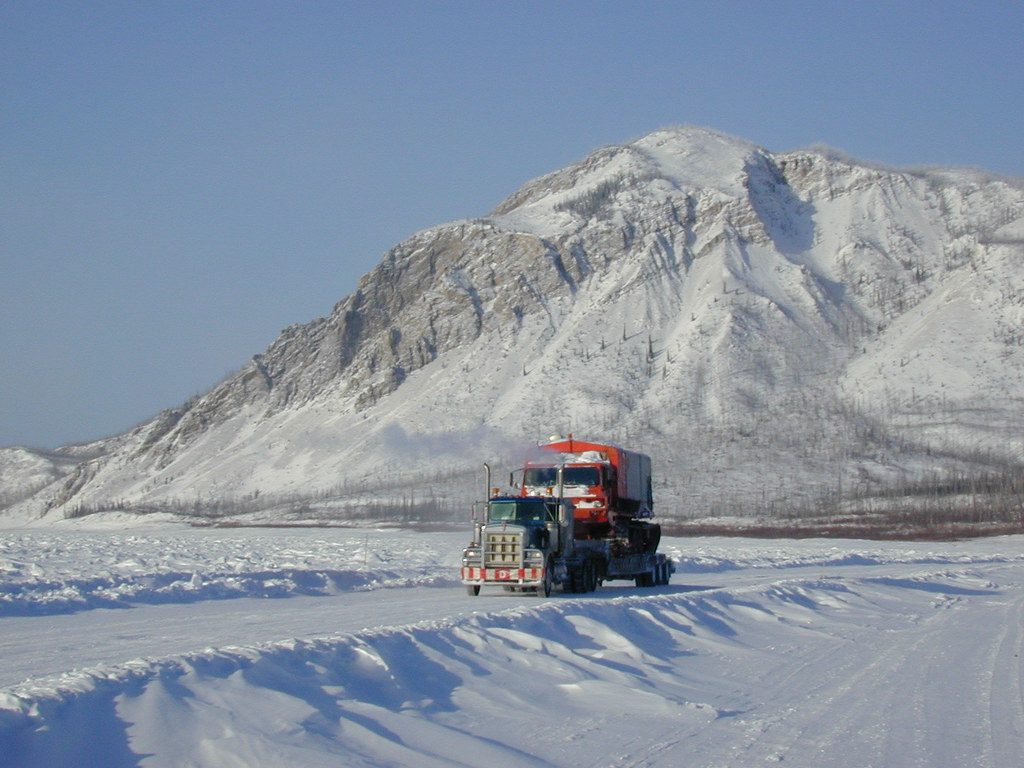
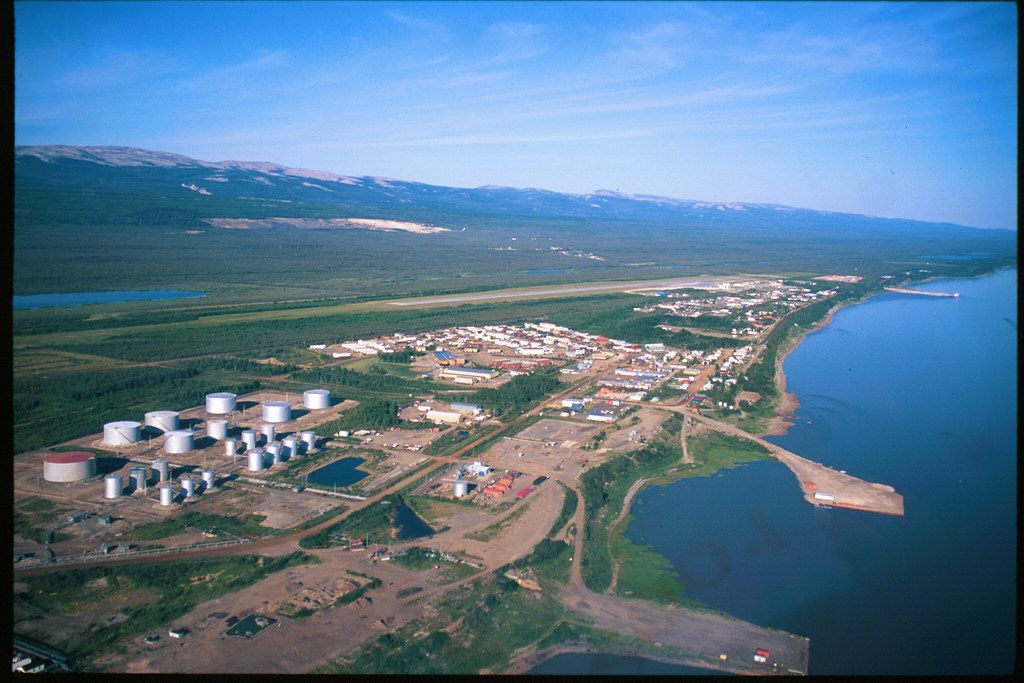
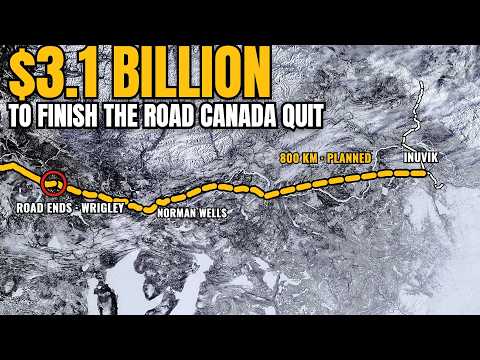
People in Tulít'a, Norman Wells and Fort Good Hope live on a winter road that melts every spring. On Nov. 27, Prime Minister Mark Carney listed an 800-kilometre all-season highway through the Mackenzie Valley as a project of national interest, the first in Canada's North. Under the Building Canada Act, that designation lets Ottawa group federal permits together and treat the road as one national commitment instead of a string of stalled proposals.

The federal government says it will cover the full $4.2 billion construction cost, with $3.1 billion already earmarked in the 2026 budget, and targets completion in 2032. The highway still has to clear an environmental assessment that has sat open at the Mackenzie Valley Environmental Impact Review Board since 2013. Federal officials say that review could finish by the end of 2027.

Why it matters

Three Arctic communities that have never had year-round road access now have a federal funding promise and a fast-tracked approval.

Questions about this story

Free account needed to ask — your question is kept and asked for you right after sign-up. Answers are public.

No questions yet — be the first to ask.

Key Indicators

800 km
Length of the proposed highway
Runs from Highway 1 at Wrigley north to the Dempster Highway.
3,000
Jobs at peak construction
Federal estimate for the build phase.
1,900
Sahtu residents gaining first-time all-season access
Part of roughly 10,000 people the road is expected to serve.
38 → 23 hours
Yellowknife-to-Inuvik drive time
Estimated reduction once the highway replaces the winter road route.
$4.2 billion
Estimated total construction cost, Canadian dollars
The federal government has committed to funding all of it.
$3.1 billion
Earmarked in the 2026 federal budget
Canadian dollars; federal budget allocation for the project.

Voices

Curated perspectives — historical figures and your fellow readers.

Sign up to generate historical perspectives on this story.

People Involved

Organizations Involved

Timeline

2013 November 2026

5 events Latest: Yesterday
Tap a bar to jump to that date
  1. Highway designated a project of national interest

    Latest Policy

    Carney lists the 800-kilometre road under the Building Canada Act, the first such designation in the North.

  2. Fort Simpson calls for permanent bridges

    Statement

    Łı́ı́dlı̨ı̨ Kų́ę́ First Nation asks for Liard and Mackenzie crossings, which the current plan does not fund.

  3. Governance agreement signed

    Agreement

    Sahtu Secretariat, Gwich'in Tribal Council, Pehdzéh Kı̨ First Nation, the territory and Canada set the highway's governance framework.

  4. Ottawa opens consultation on listing the highway

    Regulatory

    The government publishes notices and invites written comments before any listing decision.

  5. Environmental assessment opens

    Regulatory

    The Mackenzie Valley Environmental Impact Review Board begins assessing the highway proposal.

Scenarios

1

Environmental review clears and construction starts

Likely Resolves by Q2 2028

Discussed by: Federal officials cited by CBC News, and the Major Projects Office's own project page

The review board issues a report of environmental assessment on the highway, the federal government accepts its conditions, and authorizations follow. Federal documents project the board could finish by the end of 2027, and the Major Projects Office states that no federal authorization issues without that approval. If the conditions document is signed, crews can begin work on the Wrigley-to-Norman-Wells stretch.

2

Highway opens to traffic by 2032

Possible Resolves by End of 2032

Discussed by: Government of Canada and CBC News, both citing the 2032 target

The 800-kilometre road is finished and carries vehicles from Wrigley to the Dempster Highway, pending the environmental assessment and any construction delays. Terrain, permafrost and a four-year-plus build through remote country are the main risks to the schedule. Ottawa has set 2032 as the target date.

3

Cost estimate rises above $4.2 billion

Possible Resolves by End of 2029

Discussed by: Not yet forecast by any named analyst; the risk is implied by the gap between the $3.1 billion budgeted and the $4.2 billion estimate

The federal government has committed to covering the full construction cost, currently estimated at $4.2 billion with $3.1 billion in the 2026 budget. Design work, the assessment conditions and permafrost construction could move that number. A revised estimate above $4.2 billion would show up in a later federal budget or departmental plan.

Historical Context

3 moments from history that rhyme with this story — and how they unfolded.

1974-1977

Mackenzie Valley Pipeline Inquiry (1974-1977)

Justice Thomas Berger held hearings across the Northwest Territories on a proposed gas pipeline down the Mackenzie Valley. He heard from Dene and Métis communities who said the project would damage land they were still negotiating claims over. His 1977 report recommended a ten-year moratorium on pipeline construction in the valley so land claims could be settled first.

Then

Pipeline construction was halted and the moratorium held.

Now

The inquiry set the expectation that major Mackenzie Valley projects wait on land claims and environmental review, a pattern northern infrastructure has followed since.

Why this matters now

The highway's assessment has been open since 2013 under a treaty-based board, and Ottawa says it will proceed through that process rather than around it.

1979

Dempster Highway opens (1979)

Canada opened the Dempster Highway, the first all-season road in the country to cross the Arctic Circle, running from the Yukon toward Inuvik. It replaced a seasonal route and made year-round driving possible into the Mackenzie Delta.

Then

Inuvik gained a reliable land connection to southern Canada.

Now

The road became the northern anchor for any further all-season route into the valley.

Why this matters now

The Mackenzie Valley Highway is designed to meet the Dempster, closing the gap between Wrigley and the existing northern road network.

November 2017

Inuvik-Tuktoyaktuk Highway opens (2017)

Canada and the Northwest Territories completed an all-season road from Inuvik to Tuktoyaktuk on the Arctic coast, built over continuous permafrost with Indigenous partners involved in planning and construction.

Then

Tuktoyaktuk got year-round road access for the first time.

Now

The project became the reference case for what building all-season roads on northern permafrost costs and how long it takes.

Why this matters now

It is the closest recent example of the engineering and schedule risks the Mackenzie Valley Highway now faces.

Sources

(8)