

Pull to refresh
Logo
Canada fast-tracks Pacific oil pipeline to reduce US dependence

Canada fast-tracks Pacific oil pipeline to reduce US dependence

Built World

Pacific Link gets streamlined national-interest review as Ottawa seeks new export markets

3 days ago: Carney designates Pacific Link as national interest project

Overview

Updated 2 hours ago

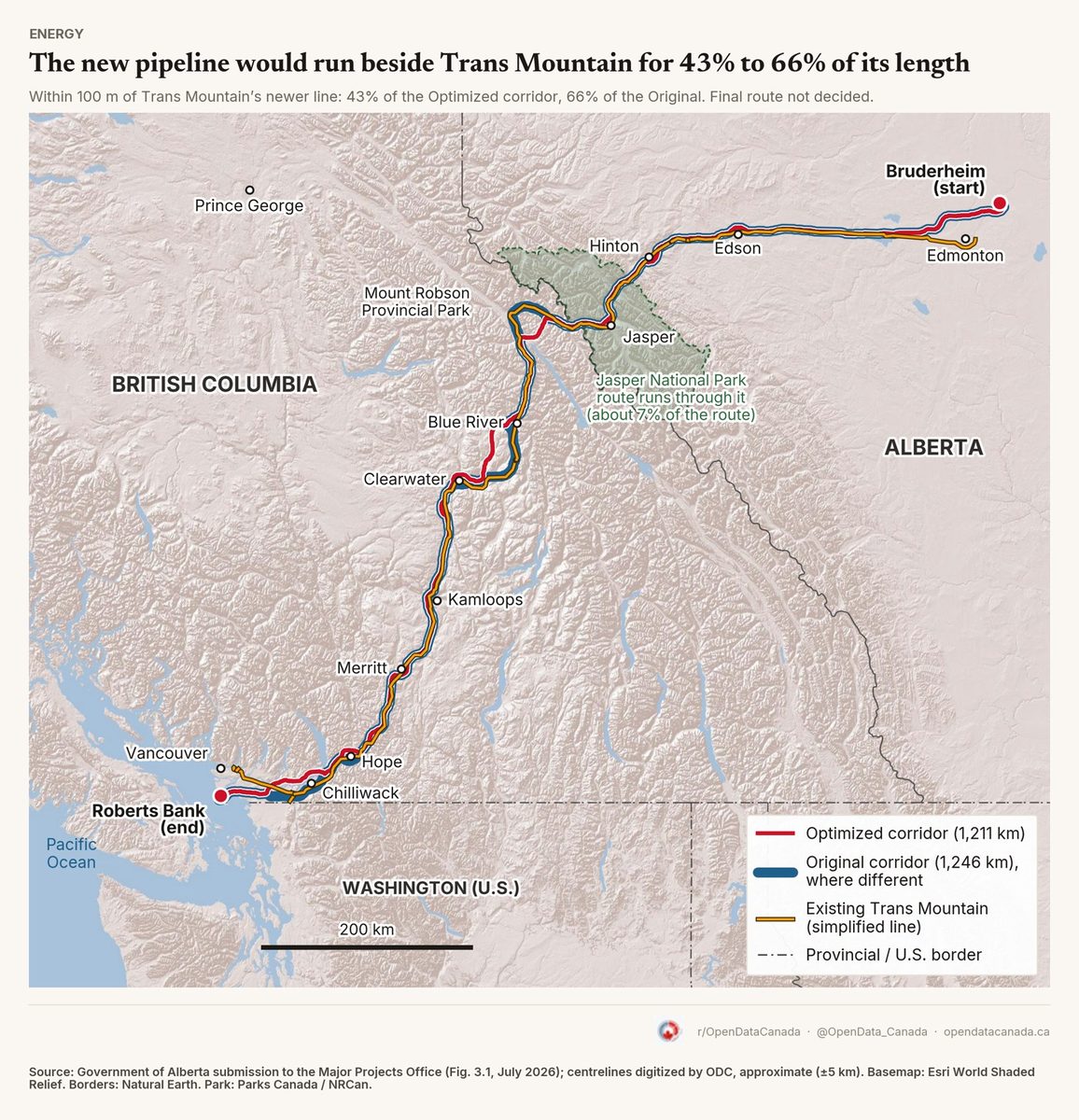
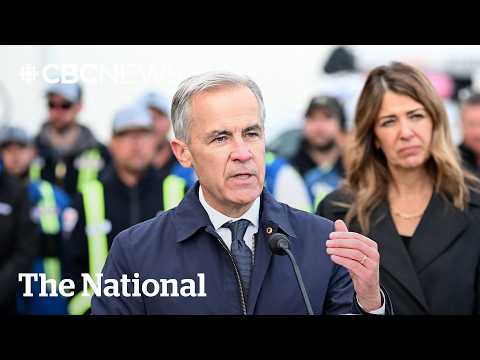
Prime Minister Mark Carney designated the West Coast oil pipeline, now named Pacific Link, as a project of national interest on October 1. The listing triggers a single streamlined federal review, with a conditions document due by September 1, 2027.

The project is designed to cut Canada's near-total reliance on the U.S. oil market. Roughly 90 percent of Alberta's oil currently goes south of the border; Pacific Link would open Asia-Pacific markets and reduce fixed pipeline dependence on the U.S. from about 83 percent to 65-70 percent.

Why it matters

If Pacific Link is built, Canada gains an alternative to the U.S. oil market, which buys roughly 90 percent of Alberta's exports.

Questions about this story

Free account needed to ask — your question is kept and asked for you right after sign-up. Answers are public.

No questions yet — be the first to ask.

Key Indicators

1 million bpd
Additional export capacity
Barrels per day the pipeline would carry to Pacific coast ports.
140,000
Projected jobs created
Government estimate of direct and indirect employment over project life.
$100B
Projected government revenue by 2060
Federal and provincial revenue estimate from royalties, taxes, and related activity.
$44B
Estimated project cost
Financial Post reported a 44-billion-dollar cost estimate; other estimates range from 25 to 31 billion.
82-83% to 65-70%
US fixed pipeline dependence
Reduction in share of Canadian oil export pipeline capacity tied to the U.S. market.

Voices

Curated perspectives — historical figures and your fellow readers.

Ever wondered what historical figures would say about today's headlines?

Sign up to generate historical perspectives on this story.

People Involved

Organizations Involved

Timeline

July 2026 October 2026

2 events Latest: 3 days ago
  1. Carney designates Pacific Link as national interest project

    Latest Regulatory Decision

    PM lists pipeline under the Building Canada Act, triggering a single streamlined review with conditions due September 2027.

  2. Pacific Link pipeline announced

    Announcement

    Government reveals plans for a new West Coast oil pipeline to diversify exports.

Scenarios

1

Pacific Link construction begins on schedule

Possible Resolves by End of 2028

Discussed by: Financial Post, industry analysts

The conditions document is finalized by September 2027, oil producers commit sufficient capacity in the open season, and construction begins in 2028. The pipeline enters service around 2032-33, meeting the government's jobs and revenue projections.

2

Producer commitments fall short, project stalls

Possible Resolves by End of 2027

Discussed by: The Independent, energy analysts

The open season for capacity contracts, expected in 2027, reveals weak demand from oil producers. Without firm shipping commitments, the $25-44 billion project lacks financial backing and the schedule slips, similar to the early struggles of the Trans Mountain Expansion.

3

Indigenous or environmental review blocks progress

Unlikely Resolves by Q2 2028

Discussed by: Environmental groups, Indigenous leaders

During the consultation phase, affected First Nations raise rights concerns, or environmental assessments under the streamlined process face legal challenges. The conditions document is delayed or the national-interest designation is overturned, mirroring setbacks seen in other Canadian energy projects.

Historical Context

2 moments from history that rhyme with this story — and how they unfolded.

2019-2024

Trans Mountain Expansion (TMX) (2019-2024)

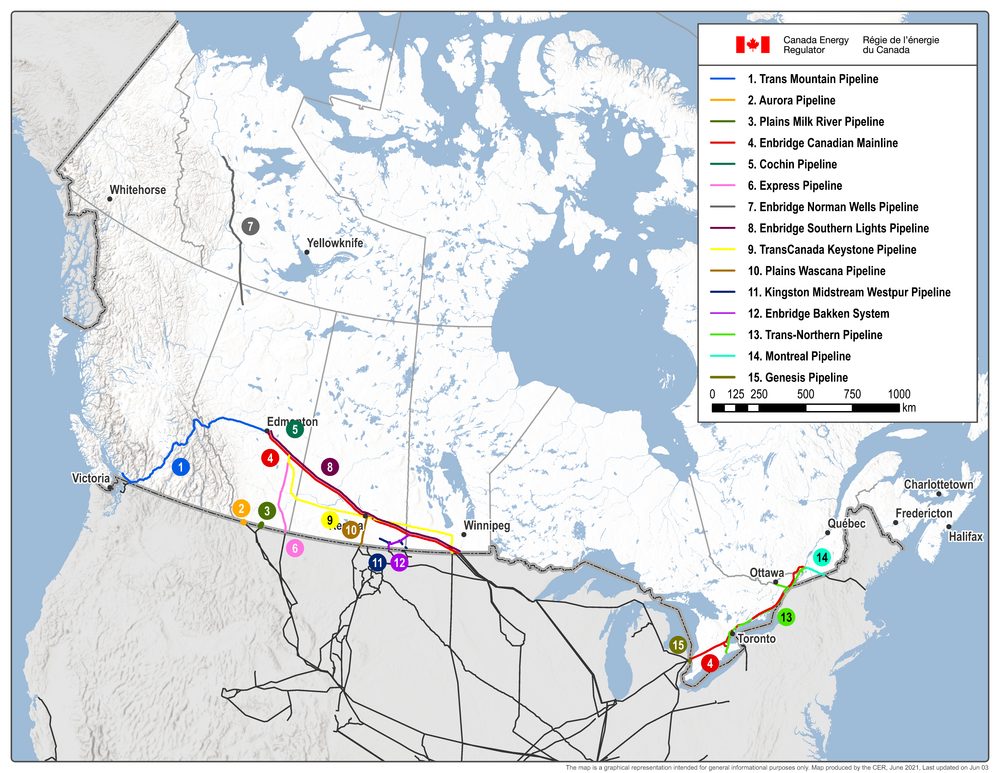
Canada's federal government spent billions buying the Trans Mountain pipeline to expand it from Alberta to the British Columbia coast, facing repeated legal challenges and cost overruns that ballooned from $5.4 billion to over $30 billion.

Then

The expansion was completed in 2024, tripling capacity to 890,000 barrels per day, but with significant cost overruns.

Now

Proved that federal intervention can overcome provincial and environmental opposition, albeit with massive delays and added expense.

Why this matters now

Pacific Link seeks to build on TMX's success, using the same federal ownership model and regulatory streamlining to avoid the multi-year delays TMX experienced.

2008-2021

Keystone XL (2008-2021)

Proposed 1,897-kilometer pipeline from Alberta to Nebraska, facing over a decade of environmental opposition, legal battles, and political changes in the U.S. It was finally cancelled in 2021 after the Biden administration revoked its permit.

Then

The $8 billion project collapsed, leaving Alberta producers still dependent on U.S. markets and lacking export diversity.

Now

Demonstrated that a single permit or regulatory reversal can kill a major cross-border energy project, reinforcing Canada's interest in Pacific routes.

Why this matters now

Pacific Link's national-interest designation is designed to make such a reversal impossible by consolidating federal approvals under Canadian law, avoiding U.S. jurisdiction entirely.

Sources

(9)