
Pull to refresh
Logo
Canada commits $1.2 billion to ocean protection as it fast-tracks Pacific Link pipeline

Canada commits $1.2 billion to ocean protection as it fast-tracks Pacific Link pipeline

Rule Changes

National-interest status lets cabinet waive environmental laws for the Alberta-to-B.C. crude line while new money funds monitoring and conservation

3 days ago: Science publishes report on funding and pipeline tension

Overview

Updated 1 hour ago

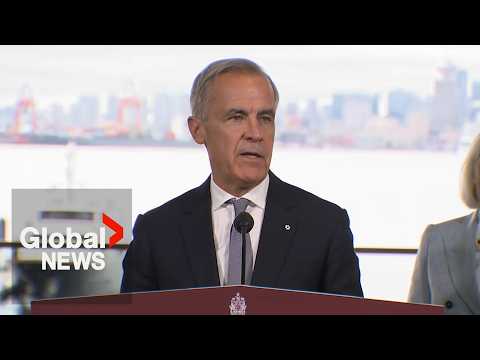
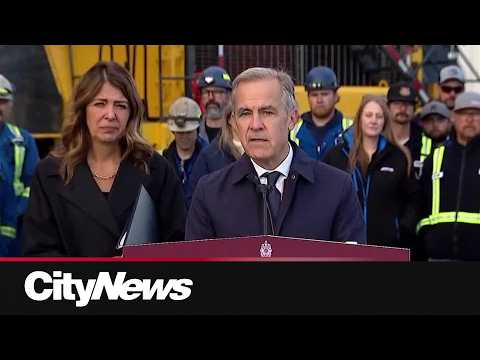
On Sept 29, Prime Minister Mark Carney announced $1.2 billion in ocean protection funding. Two days later his cabinet designated the Pacific Link pipeline—Alberta oil to the British Columbia coast—a project of national interest.

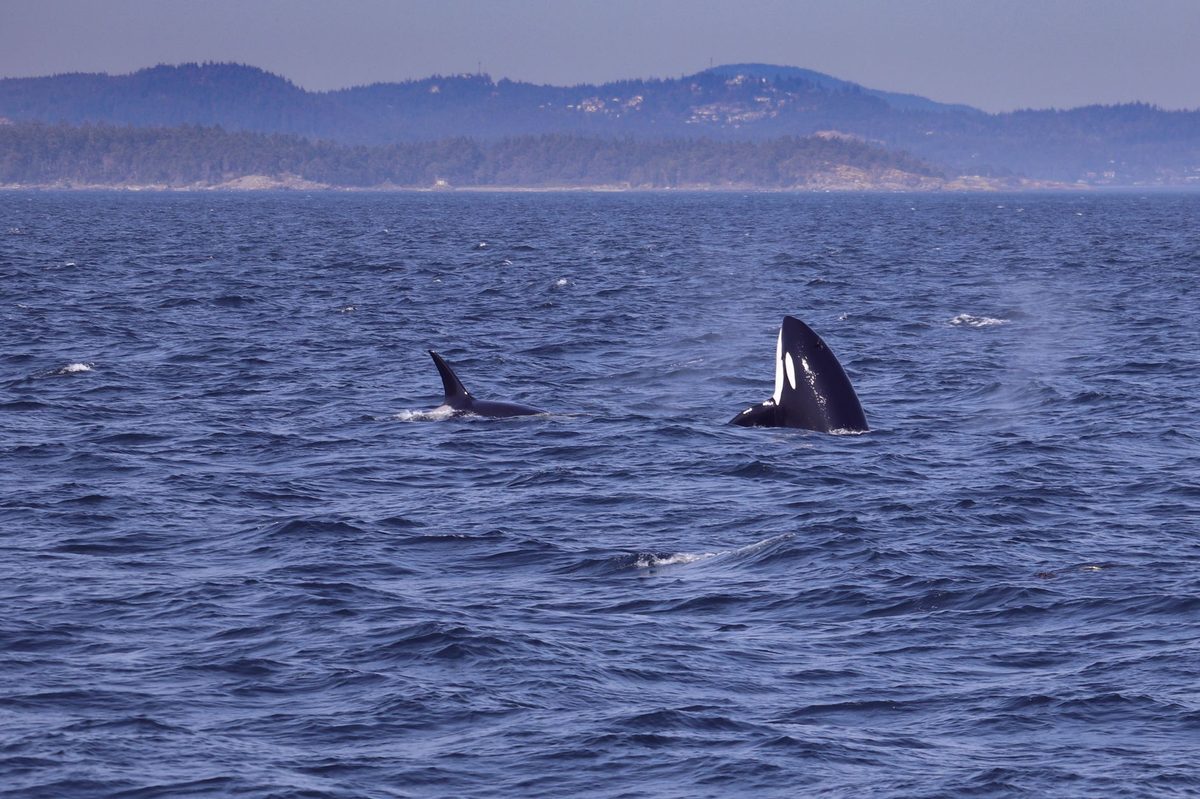
National-interest status lets the government exempt the pipeline from the Fisheries Act and the Species at Risk Act, laws protecting fish, salmon, and killer whales. Scientists welcomed the new money but note Fisheries and Oceans Canada has lost more than 180 experts since January to budget cuts.

Why it matters

Cabinet can now exempt Pacific Link from the Fisheries Act and the Species at Risk Act, laws protecting B.C.'s coastal fish, whales, and salmon.

Questions about this story

Free account needed to ask — your question is kept and asked for you right after sign-up. Answers are public.

No questions yet — be the first to ask.

Key Indicators

$1.2B
Total ocean protection commitment
New federal funding announced Sept 29, spread over four years across Canada's coastlines.
$740M
Marine traffic and Coast Guard share
Largest slice goes to monitoring vessels, search and rescue, and response capability.
$136M
Marine mammal and underwater noise funding
Covers oil-spill response plans, noise monitoring in the Pacific, Arctic, and East Coast.
$186M
Great Bear Sea Indigenous framework
Funds collaborative governance under the Northern Shelf Bioregion Reconciliation Framework Agreement.
180+
Fisheries and Oceans experts lost since January
Budget cuts hit the department that is now leading the Pacific Link federal review.
30%
Ocean protection target by 2030
The government's stated goal under its A Force of Nature nature strategy.

Voices

Curated perspectives — historical figures and your fellow readers.

Ever wondered what historical figures would say about today's headlines?

Sign up to generate historical perspectives on this story.

People Involved

Organizations Involved

Timeline

May 2026 October 2026

6 events Latest: 3 days ago
Tap a bar to jump to that date
  1. Science publishes report on funding and pipeline tension

    Latest Report

    Scientists welcome the new money but caution that weakened environmental protections undermine the stated commitment to ocean science.

  2. Pacific Link listed as project of national interest

    Policy Decision

    Cabinet designation enables faster review and allows waiving federal environmental laws; conditions due by Sept 1, 2027.

  3. Carney announces $1.2 billion ocean package

    Funding

    Funding covers Coast Guard monitoring, marine mammal protection, underwater noise research, and Indigenous-led conservation.

  4. Regulatory relief bill introduced in Parliament

    Legislation

    Government fast-tracks a bill easing environmental oversight, dropping only the most controversial species-at-risk exemption.

  5. Comment period closes with warnings

    Consultation

    Environmental organizations and scientific societies raise concerns about environmental harm from weaker oversight.

  6. Government proposes easing project approvals

    Policy Proposal

    A discussion paper suggests lessening regulatory hurdles for major energy and port projects to speed up overseas trade.

Scenarios

1

Pacific Link wins federal approval, construction starts by 2028

Likely Resolves by Sep 1, 2027

Discussed by: The government's own timetable, stated in the Oct 1 prime ministerial release

Fisheries and Oceans Canada runs the review with the Canada Energy Regulator over the coming year, setting conditions on ownership, Indigenous rights, and environmental protections. If conditions are finalized by Sept 1, 2027 as planned, proponents move to detailed planning and construction. The national-interest designation already signals cabinet support for the project.

2

First Nations court challenge halts Pacific Link review

Possible Resolves by Sep 1, 2027

Discussed by: The Tyee, noting the designation was granted before substantive consultations with impacted First Nations

A First Nation challenges the fast-tracked process in Federal Court, arguing inadequate consultation or that the waivers violate legal duties to protect fish and species at risk. A court ruling or injunction could suspend the review, as happened with earlier West Coast pipeline projects.

3

Parliament passes the regulatory relief bill

Likely Resolves by Q2 2027

Discussed by: Science Magazine, reporting the bill was introduced and put on a fast track in September

The bill introduced Sept 21 moves through Parliament with the fast-track process. If passed, it codifies streamlined approvals for major projects, locking in the regulatory easing that Pacific Link benefits from. The government already dropped the most controversial exemption for endangered-species laws, leaving the rest of the deregulatory slate intact.

Historical Context

3 moments from history that rhyme with this story — and how they unfolded.

2012-2024

Trans Mountain expansion (2012-2024)

The federal government approved tripling the capacity of the 1953-built Trans Mountain pipeline from Alberta to Burnaby, B.C. It bought the project for CA$4.5 billion in 2018 after the previous owner threatened to abandon it amid British Columbia and Indigenous opposition. The expanded line began commercial shipping in May 2024.

Then

The federal government absorbed the project and completed it despite sustained protests, court challenges, and provincial opposition.

Now

Set the precedent that Ottawa will override subnational and Indigenous opposition to build energy export infrastructure.

Why this matters now

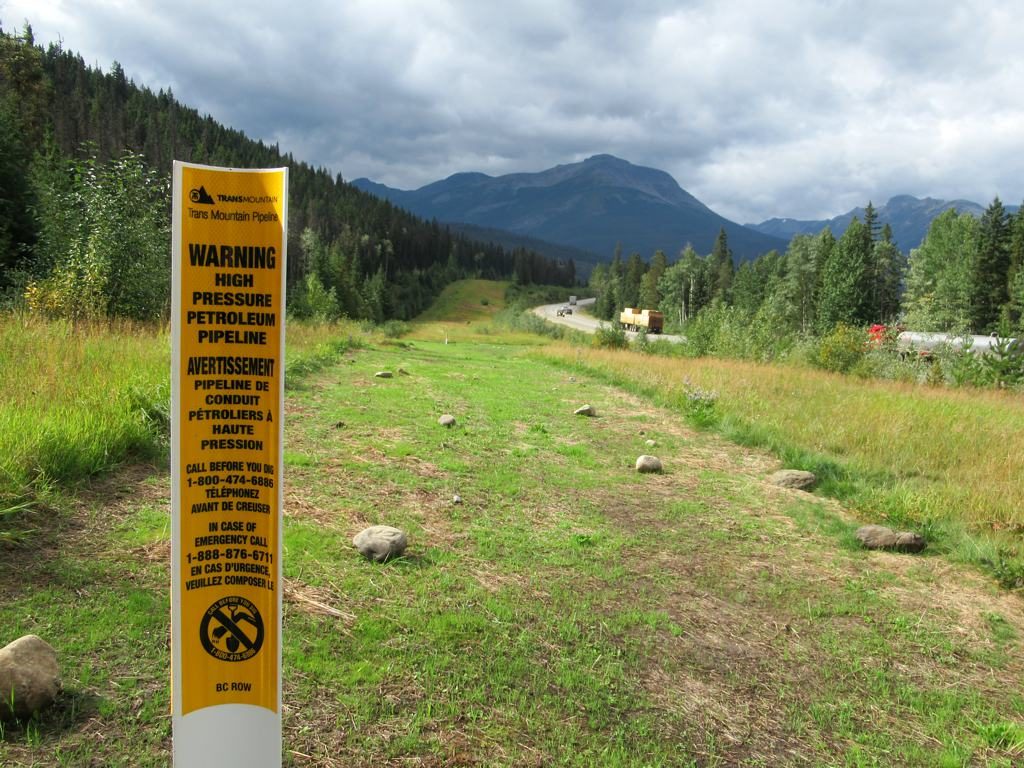
Pacific Link is the second major crude line to the West Coast, following a similar southern route, and Trans Mountain Corporation is again leading development.

November 2016

Northern Gateway rejection (2016)

Enbridge's Northern Gateway, a proposed pipeline from Alberta to Kitimat on B.C.'s north coast, was approved by a joint review panel in 2014 with 209 conditions. In November 2016 the new Liberal cabinet rejected it, citing risks to the Great Bear region and the government's moratorium on crude tankers along the north coast.

Then

The project was killed at the federal level, and Enbridge received no compensation.

Now

Established that no pipeline would ship crude from B.C.'s north coast, reinforcing the tanker moratorium.

Why this matters now

A decade ago Canada rejected a West Coast pipeline on environmental grounds; Pacific Link's southern route is designed to sidestep the protected north coast entirely.

1985-2019

Oil Tanker Moratorium Act (2019)

A federal moratorium on crude-oil tankers along B.C.'s north coast, in place since 1985, was written into law in 2019. It bans tanker traffic in Dixon Entrance, Hecate Strait, and Queen Charlotte Sound.

Then

The ban became permanent law, shielding the Great Bear Sea region from tanker traffic.

Now

Any West Coast crude line today must route south of the moratorium zone to reach tidewater.

Why this matters now

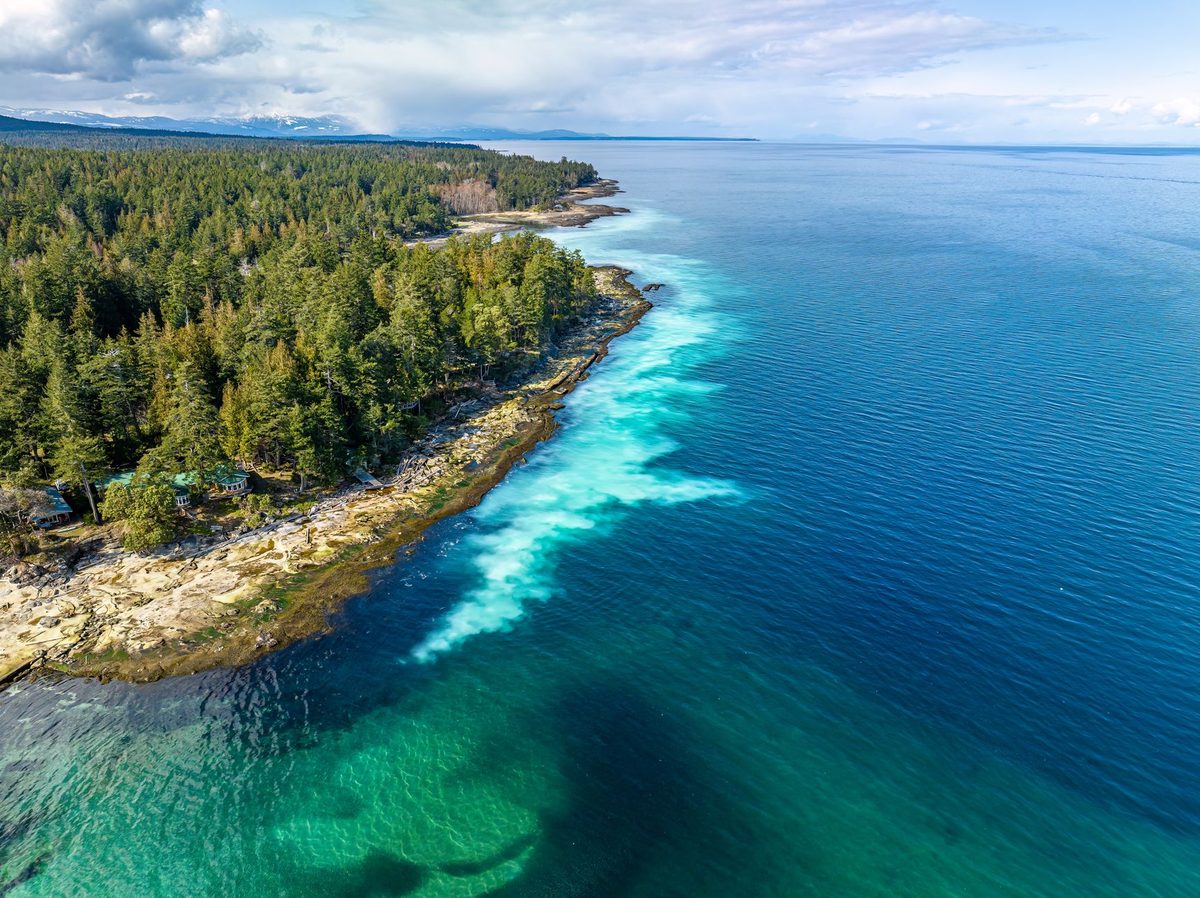
Pacific Link's southern route explicitly avoids the Great Bear Sea, the region the moratorium protects and that the new $186 million Indigenous framework funds.

Sources

(8)