


July 2021
Yale's psilocybin synapse study (2021)
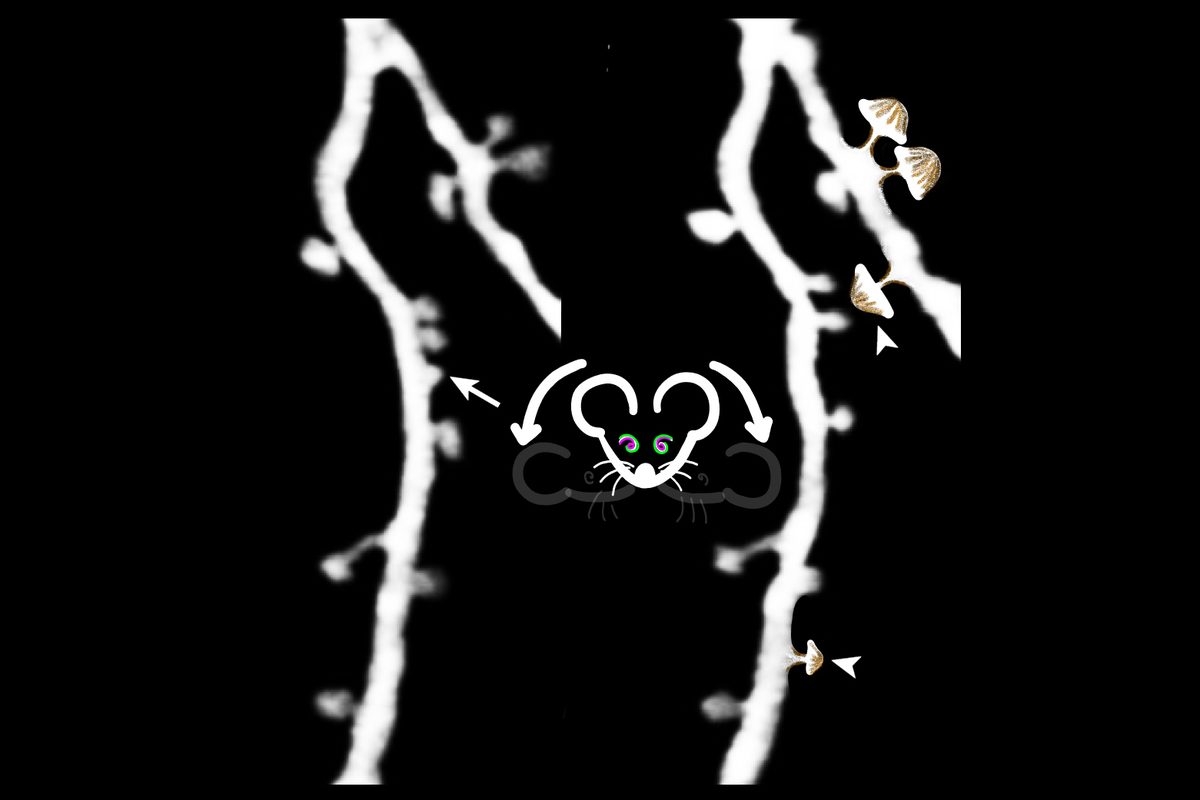
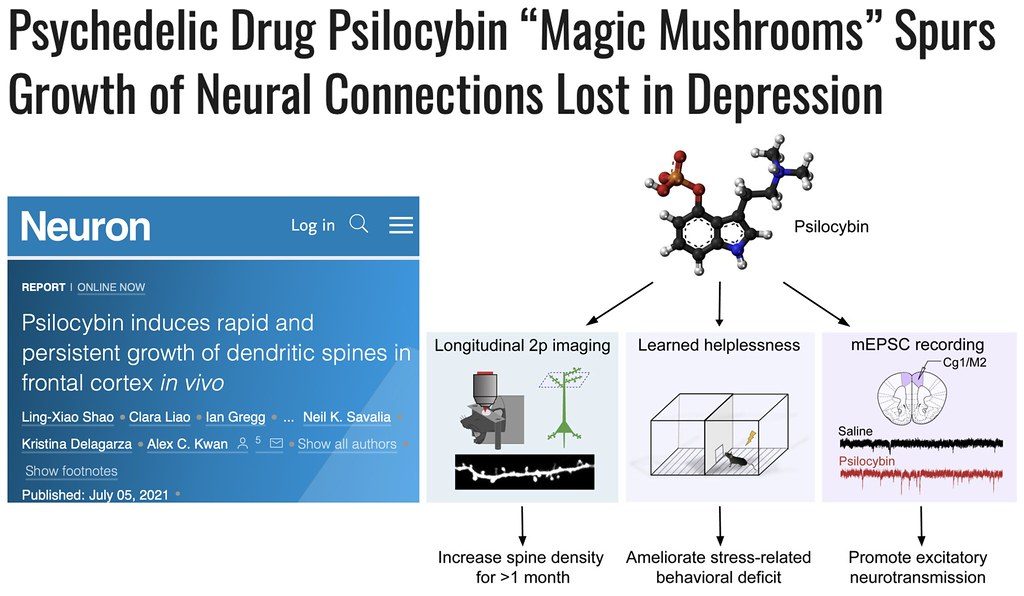
Yale researchers led by Alex Kwan gave mice a single dose of psilocybin and imaged dendritic spines with a laser-scanning microscope. They saw a roughly 10% increase in connections within 24 hours, with new spines about 10% larger on average. The changes lasted at least a month.
Then
Established psilocybin as a rapid synaptogen in the mammalian brain.
Now
Set the stage for mechanistic studies asking which receptors and cells drive the plasticity.
Why this matters now
The UCSC study builds directly on this work, identifying the specific receptor and cell type responsible for the effect.