

Pull to refresh
Logo
Shinbone compression helps brains heal, mouse and pig study finds

Shinbone compression helps brains heal, mouse and pig study finds

New Capabilities

Pressure-sensing bone cells release protective blood signals, opening a non-invasive recovery avenue for stroke and head injury

Today: Nature Neuroscience publishes bone-brain axis study

Overview

Updated 1 hour ago

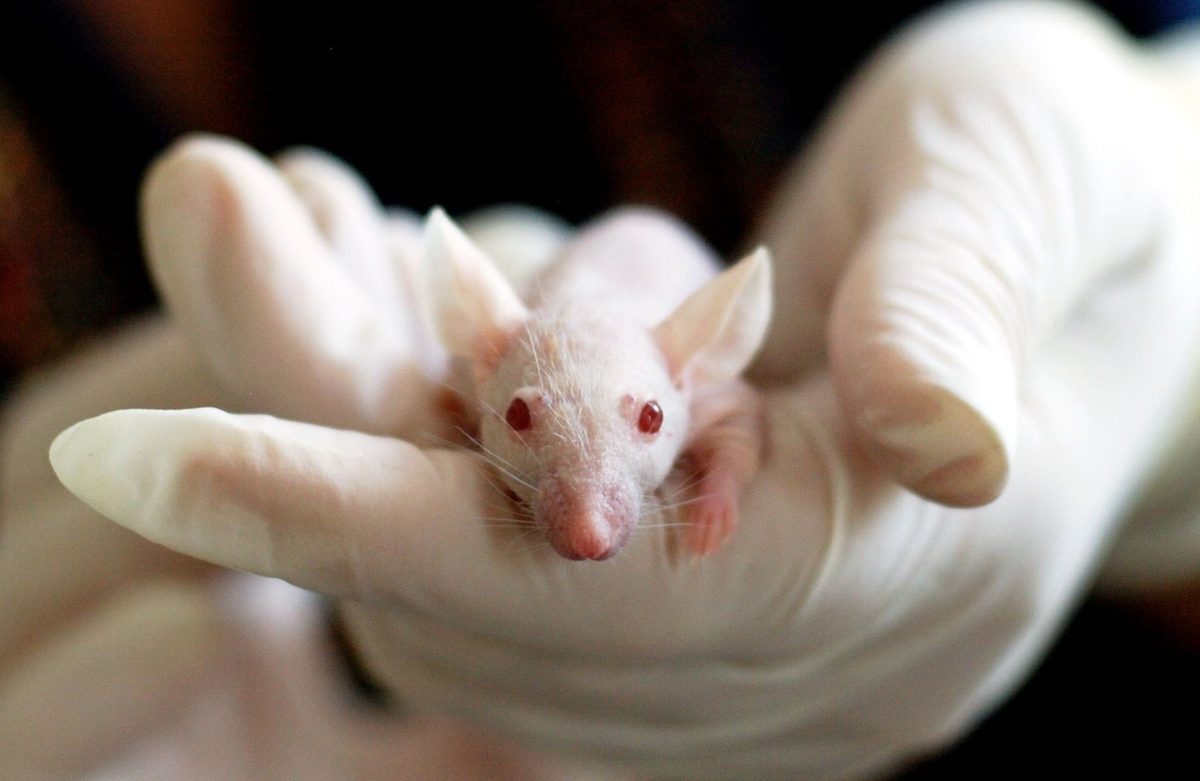
Doctors have known for years that a brain injury can speed up bone healing. Scientists in China just proved the reverse: gently squeezing the shinbone of mice and pigs with brain injuries helped them survive longer, move better, and remember more.

The treatment, called dynamic compressive tibial axial loading, works through PIEZO1 pressure-sensing channels inside bone cells. Activated cells secrete protective proteins into the blood that reduce neuron loss and inflammation in the brain, and even stimulate new neuron growth.

The study, published in Nature Neuroscience, suggests a simple mechanical intervention could one day aid stroke and head-injury patients who cannot exercise. Independent labs have not yet replicated the results, and human trials are years away.

Why it matters

If the effect translates to humans, a patient who cannot move could still get a recovery boost from a shinbone compression device — no drugs required.

Questions about this story

Free account needed to ask — your question is kept and asked for you right after sign-up. Answers are public.

No questions yet — be the first to ask.

Key Indicators

5 days
Median survival extension in severe pig TBI
Compressed pigs lived a median of five days longer than untreated injured controls.
4.5-fold
Rise in immature neurons after treatment
Numbers of immature neurons increased 4.5-fold in treated mouse brains.
300
Compression cycles per day in mice
Mice received 300 cycles at 0.5 to 4 newtons, twice per second, five days a week.
0
Bone or joint damage from the procedure
Four weeks of loading left shinbones, knee joints, and cartilage undamaged in mice and pigs.

Voices

Curated perspectives — historical figures and your fellow readers.

Ever wondered what historical figures would say about today's headlines?

Sign up to generate historical perspectives on this story.

People Involved

Organizations Involved

Timeline

October 2021 September 2026

2 events Latest: Today
  1. Nature Neuroscience publishes bone-brain axis study

    Today Scientific publication

    Researchers show tibial compression after brain injury improves survival, motor function, and memory in mice and pigs via osteocyte PIEZO1 and blood-borne protective factors.

  2. Brain injury shown to speed bone healing

    Scientific publication

    Nature Communications shows injured neurons release microRNA-laden vesicles that target bone-forming cells, explaining why fractures heal faster after head injury.

Scenarios

1

Human clinical trials begin for a bone-stimulation recovery device

Possible Resolves by End of 2029

Discussed by: The study authors and independent commentators at ScienceAlert and Medical Xpress

If independent labs replicate the mouse and pig results, medical device companies could advance a tibial compression device to first-in-human safety trials for stroke rehabilitation. The route would mirror how neuromodulation devices moved from animal studies to approved therapies, though regulatory approval typically takes several years.

2

Drugs engineered to activate PIEZO1 replace the mechanical device

Possible Resolves by End of 2030

Discussed by: The Southern Medical University team, which noted that a localized PIEZO1 agonist could reproduce the treatment effect without physical compression

The study showed that delivering a small-molecule PIEZO1 activator directly to the tibia mimicked the benefits of mechanical loading, suggesting a drug could substitute for the device. Pharmaceutical development of a targeted PIEZO1 agonist would take longer than a device pathway but could reach patients who cannot tolerate a loading protocol.

3

Independent labs fail to replicate, enthusiasm cools

Unlikely Resolves by End of 2028

Discussed by: Standard scientific skepticism; replication studies are pending in other laboratories

The pig experiment used only six animals per group, and all animals were male. If larger replication studies fail to reproduce the survival and memory benefits, the field would treat the finding as preliminary, slowing device and drug investment. This is the normal vetting path for high-profile animal studies.

Historical Context

2 moments from history that rhyme with this story — and how they unfolded.

2005

Vagus nerve stimulation for depression (2005)

After decades of animal research showing that electrically stimulating the vagus nerve alters brain circuits, the U.S. Food and Drug Administration approved vagus nerve stimulation as a treatment for treatment-resistant depression. A peripheral, non-brain intervention was proven capable of changing brain function in patients.

Then

The approval validated the concept that stimulating a peripheral nerve or tissue could treat a central nervous system disorder safely.

Now

It opened a regulatory and commercial pathway for device-based therapies that act on the brain through the body, which the bone compression device would follow.

Why this matters now

Like vagus nerve stimulation, tibial compression is a mechanical, non-invasive intervention on a peripheral tissue that produces measurable brain changes — but delivered through the blood rather than through nerves.

2007

Bone established as an endocrine organ (Osteocalcin, 2007)

Gerard Karsenty's lab at Columbia University showed that osteocalcin, a protein secreted by bone-forming cells, travels through the blood to regulate glucose metabolism and, later, brain function including memory. This overturned the view that bone is only a structural tissue.

Then

Researchers began screening for other bone-derived hormones, and the field of bone endocrinology grew rapidly.

Now

The demonstration that bone cells secrete molecules that reach the brain established the conceptual foundation for the new tibial compression study.

Why this matters now

The Nature Neuroscience study extends this established bone-to-brain signaling axis by showing that mechanical force itself — not just bone chemistry — can trigger protective signals from bone cells.

Sources

(10)