

Pull to refresh
Logo
Mammals produce cyclo-octasulfur rings to suppress ferroptosis

Mammals produce cyclo-octasulfur rings to suppress ferroptosis

New Capabilities

The blood-pressure enzyme eNOS also builds eight-atom sulfur rings in mitochondria and fat droplets, feeding the cell's antioxidant defenses.

3 days ago: Science: eNOS biosynthesizes cyclo-octasulfur

Overview

Updated 2 hours ago

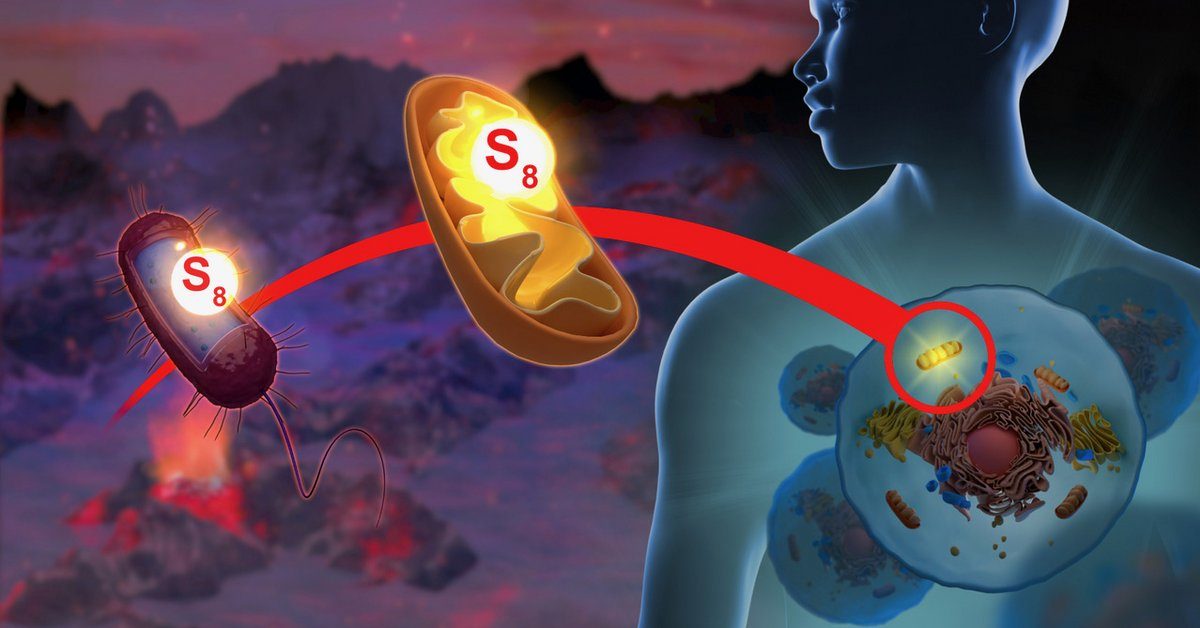
The enzyme best known for relaxing blood vessels has a second job: it builds rings of eight sulfur atoms that shield cells from a form of self-destruction. Researchers in Japan and Germany reported in Science that mammalian cells store these cyclo-octasulfur rings in mitochondria and lipid droplets, where they feed antioxidant defenses.

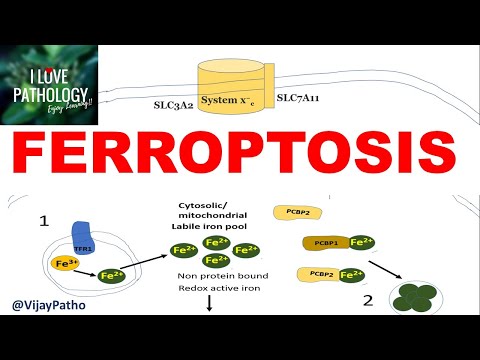
Those defenses block ferroptosis, an iron-driven cell death by lipid peroxidation implicated in Parkinson's and ALS, cancer, and organ damage when blood flow returns after blockage. If the sulfur supply can be manipulated, it becomes a new lever on a cell-death pathway with no approved drugs aimed at it.

Why it matters

Boost sulfur-ring reserves and you may counter ferroptosis behind neurodegeneration and organ damage — a new therapeutic lever on an untargeted pathway.

Questions about this story

Free account needed to ask — your question is kept and asked for you right after sign-up. Answers are public.

No questions yet — be the first to ask.

Key Indicators

8
Sulfur atoms in the cyclo-octasulfur ring
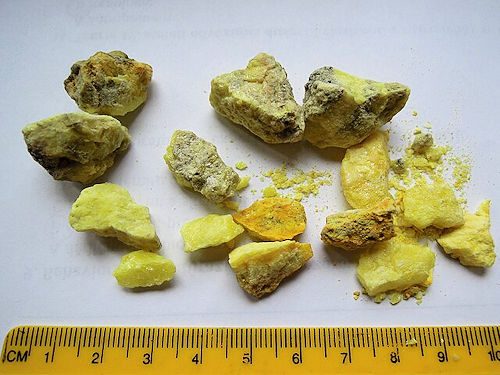
Cyclo-octasulfur (S8) is a crown-shaped ring of eight sulfur atoms.
2
Known functions of eNOS: nitric oxide and S8 synthesis
The enzyme that relaxes blood vessels also biosynthesizes cyclo-octasulfur.
2012
Year ferroptosis was first named
S8 protects against the iron-dependent cell death that researchers named ferroptosis.

Voices

Curated perspectives — historical figures and your fellow readers.

Ever wondered what historical figures would say about today's headlines?

Sign up to generate historical perspectives on this story.

People Involved

Organizations Involved

Timeline

September 2022 September 2026

4 events Latest: 3 days ago
Tap a bar to jump to that date
  1. Science: eNOS biosynthesizes cyclo-octasulfur

    Latest Research

    Barayeu et al. show eNOS biosynthesizes S8, stored in mitochondria and lipid droplets.

  2. Detection method for elemental sulfur published

    Methodology

    bioRxiv preprint describes a chemical workflow to quantify S8 in cells and tissues.

  3. Cyclo-octasulfur linked to ferroptosis protection

    Research

    Free Radical Biology and Medicine reports S8 prevents ferroptosis in mammalian cells.

  4. Hydropersulfides shown to block ferroptosis

    Research

    Nature Chemical Biology reports hydropersulfides scavenge radicals, suppressing lipid peroxidation and ferroptosis.

Scenarios

1

Cyclo-octasulfur pathway yields a clinical candidate

Possible Resolves by End of 2028

Discussed by: Redox biology researchers and neurodegenerative drug developers; early sulfur-donor trials hint at the potential.

A company or academic center starts a clinical trial of a therapy designed to raise S8 or hydropersulfide levels, targeting a ferroptosis-linked condition such as Parkinson's, ALS, or ischemia-reperfusion injury. This requires the S8 supply to hold up in live tissue and a practical way to deliver the compound.

2

S8 biology gains independent confirmation

Likely Resolves by End of 2027

Discussed by: The reactive sulfur species community; the Science perspective frames S8 as a new cellular player awaiting study.

Labs outside the two founding groups confirm that mammalian cells make S8, localize it to mitochondria and lipid droplets, and that it protects against ferroptosis. Confirmation would recast eNOS and move S8 into standard redox biology and ferroptosis models.

3

S8's physiological role is disputed

Unlikely Resolves by Q2 2028

Discussed by: Skeptics who note that elemental sulfur has been hard to measure biologically, leaving room for extraction artifacts.

An independent group reports that S8 levels in living tissue are too low to matter, or that some detected S8 is a preparation artifact. The debate would echo earlier fights over whether reactive sulfur species have genuine signaling roles.

Historical Context

3 moments from history that rhyme with this story — and how they unfolded.

1967

Endosymbiosis and sulfur bacteria (1967)

Lynn Margulis (then Sagan) published the endosymbiotic theory, proposing that mitochondria descend from bacteria engulfed by early cells. Sulfur-respiring bacteria store elemental sulfur in granules.

Then

The theory was initially rejected, then became a cornerstone of cell biology.

Now

It reframed mitochondria as bacterial descendants carrying their own biochemistry.

Why this matters now

Finding S8, a molecule bacteria store, inside mitochondria suggests a biochemical legacy from those sulfur-metabolizing ancestors.

1987–1998

Nitric oxide discovery and the 1998 Nobel Prize (1987–1998)

In the 1980s, researchers showed that a gas, nitric oxide (NO), is the molecule blood vessel walls use to signal muscle to relax. Robert Furchgott, Louis Ignarro, and Ferid Murad shared the 1998 Nobel Prize in Physiology or Medicine for the work.

Then

NO went from curiosity to a defining signaling molecule; nitric oxide synthase became a drug target.

Now

NO biology produced drugs including sildenafil (Viagra) and nitroglycerin, reshaping cardiovascular science.

Why this matters now

The same enzyme, eNOS, that makes NO is now shown to also make cyclo-octasulfur — a second function that could broaden its biology much as NO did.

2012

Ferroptosis is named (2012)

A Columbia University team led by Brent Stockwell and Scott Dixon coined 'ferroptosis' for an iron-dependent, regulated cell death driven by lipid peroxidation, distinct from apoptosis.

Then

Ferroptosis was quickly tied to neurodegeneration, ischemia-reperfusion injury, and cancer biology.

Now

It became a heavily studied cell-death mode, with the enzyme GPX4 identified as its main defense.

Why this matters now

S8 feeding hydropersulfides offers a second, GPX4-independent defense against the exact death mode ferroptosis names.

Sources

(8)