
Pull to refresh
Logo
Scientists restore brain protein Menin, reverse aging signs in mice

Scientists restore brain protein Menin, reverse aging signs in mice

New Capabilities

Restoring Menin in a brain region extended lifespan and improved cognition in aged mice; the path to human treatments remains uncertain

Today: ScienceDaily consolidates Menin evidence

Overview

Updated 1 hour ago

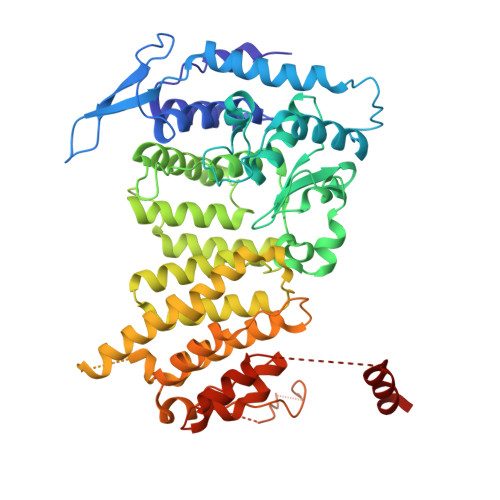
Restoring a single protein in a small brain region reversed several signs of aging in mice. Researchers at Xiamen University found Menin levels in the hypothalamus fall with age, and that boosting them in 20-month-old mice extended lifespan, thickened skin, rebuilt bone, and improved learning and memory.

The finding, published in March 2023, has since drawn scrutiny. A September 2026 study in an Alzheimer's mouse model found L-serine partly restored neuron production but did nothing for amyloid buildup, and a 2016 trial in 50 older adults showed only one cognitive measure improved. The evidence points to a research target, not a supplement proven to slow human aging.

Why it matters

If a single brain protein drives whole-body aging, it points to a new treatment target — but the evidence so far stops at mice.

Questions about this story

Free account needed to ask — your question is kept and asked for you right after sign-up. Answers are public.

No questions yet — be the first to ask.

Key Indicators

20 months
Age of mice when Menin was restored
Roughly late-life aging in mice; improvements appeared within 30 days.
30 days
Time to measurable reversal of aging signs
Mice showed better memory, skin thickness, and bone mass one month after Menin restoration.
~100 mg/kg
Daily D-serine dose in mouse drinking water
Three weeks of supplementation rescued cognitive decline in aged mice.
50
Older adults in the only published human D-serine trial
Single-dose 2016 study; only one of several cognitive measures improved.

Voices

Curated perspectives — historical figures and your fellow readers.

Ever wondered what historical figures would say about today's headlines?

Sign up to generate historical perspectives on this story.

People Involved

Organizations Involved

Timeline

March 2023 September 2026

3 events Latest: Today
  1. ScienceDaily consolidates Menin evidence

    Today Reporting

    ScienceDaily publishes a comprehensive report clarifying what the Menin and D-serine findings do and do not show, including the limits of a 2016 human pilot.

  2. Alzheimer's mouse study tests L-serine

    Publication

    Journal of Alzheimer's Disease study finds L-serine raises blood D-serine and partly restores neuron production in an Alzheimer's mouse model, but does not reduce amyloid buildup.

  3. PLOS Biology publishes Menin aging study

    Publication

    Lige Leng's Xiamen University team shows hypothalamic Menin decline drives systemic aging in mice; restoring it extends lifespan, thickens skin, and rebuilds bone.

Scenarios

1

Menin restoration moves to human trials

Unlikely Resolves by Jan 1, 2030

Discussed by: Xiamen University researchers; neuroscience commentators including Santosh Kesari

A Menin-based therapy would need delivery technology that can cross the blood-brain barrier and reach the ventromedial hypothalamus, plus safety data in primates. Kesari says no clinical trials are planned or expected soon. A registered human trial within the next few years would be required.

2

D-serine validated for cognitive aging in larger human trials

Possible Resolves by Jan 1, 2028

Discussed by: Aging and nutrition researchers; follows the promising 2016 pilot

A randomized trial enrolling more than 100 older adults would need to show D-serine improves a primary cognitive endpoint. The 2016 pilot found only one maze task improved, and the Alzheimer's Drug Discovery Foundation calls the evidence mixed. Safety concerns about NMDA receptor activation and excitotoxicity remain unresolved.

3

D-serine supplements reach consumers before evidence settles

Possible Resolves by Jan 1, 2028

Discussed by: ScienceDaily's reporting; Alzheimer's Drug Discovery Foundation warnings

Because D-serine is already sold as a supplement, it could reach older adults seeking memory benefits before human trials establish safety. Regulators would face questions about whether marketing claims overstate mouse findings. Chronic high-dose D-serine carries excitotoxicity risks for nerve cells.

Historical Context

3 moments from history that rhyme with this story — and how they unfolded.

1994-2005

Leptin discovery (1994-2005)

Jeffrey Friedman's lab cloned the ob gene and showed leptin injections reversed obesity in mice, raising hopes of a human weight-loss cure.

Then

Human trials showed leptin only worked for rare leptin-deficient individuals; most obese people were leptin-resistant.

Now

A well-documented case of a mouse mechanism that did not generalize to the broader human condition.

Why this matters now

A reminder that a mechanism proven in mice does not always scale to humans.

2003-2014

Resveratrol longevity hype (2003-2014)

David Sinclair's lab showed resveratrol, a compound in red wine, extended lifespan in yeast, worms, and mice. Supplement sales boomed before human evidence existed.

Then

Resveratrol supplements sold widely despite thin human proof; a 2014 review found no longevity benefit.

Now

Became a cautionary example of animal findings overreaching into consumer markets.

Why this matters now

Shows how mouse longevity results can become supplements before human proof exists — the same risk facing D-serine.

2009-present

Rapamycin aging studies (2009-present)

Rapamycin extended lifespan in mice starting in 2009. It has moved into human trials for age-related conditions, with mixed results and real side effects.

Then

Human studies tested rapamycin for immune function and ovarian aging with inconsistent findings.

Now

Demonstrated the slow, uncertain path from mouse lifespan extension to human therapy.

Why this matters now

An aging drug that took more than a decade to reach human testing — a realistic timeline for Menin and D-serine if they translate at all.

Sources

(5)