

Pull to refresh
Logo
Moscow-connected official wins South Ossetia presidency in snap election

Moscow-connected official wins South Ossetia presidency in snap election

Force in Play

A Russian career bureaucrat takes over the breakaway Georgian region after Moscow cleared his path in three months

Yesterday: Kambolov declared winner

Overview

Updated 2 hours ago

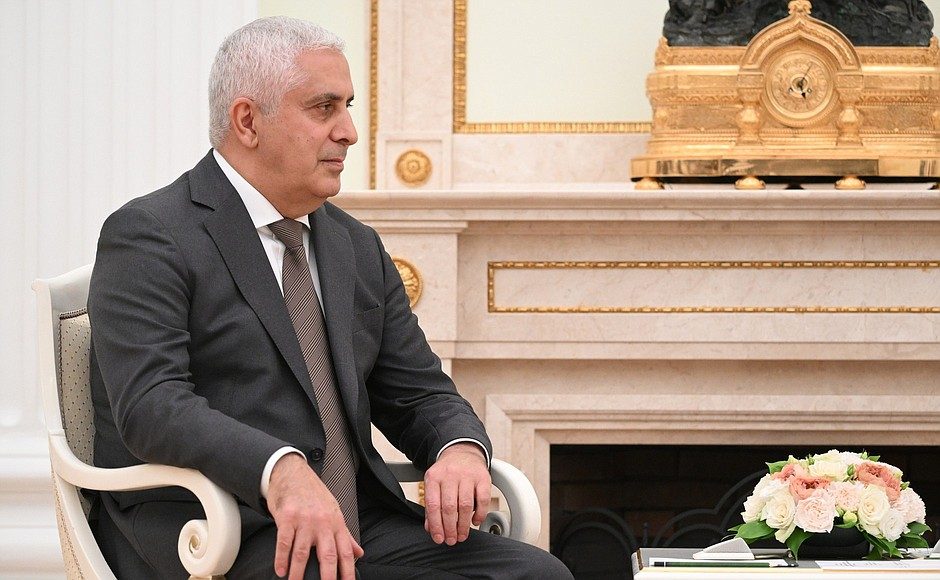
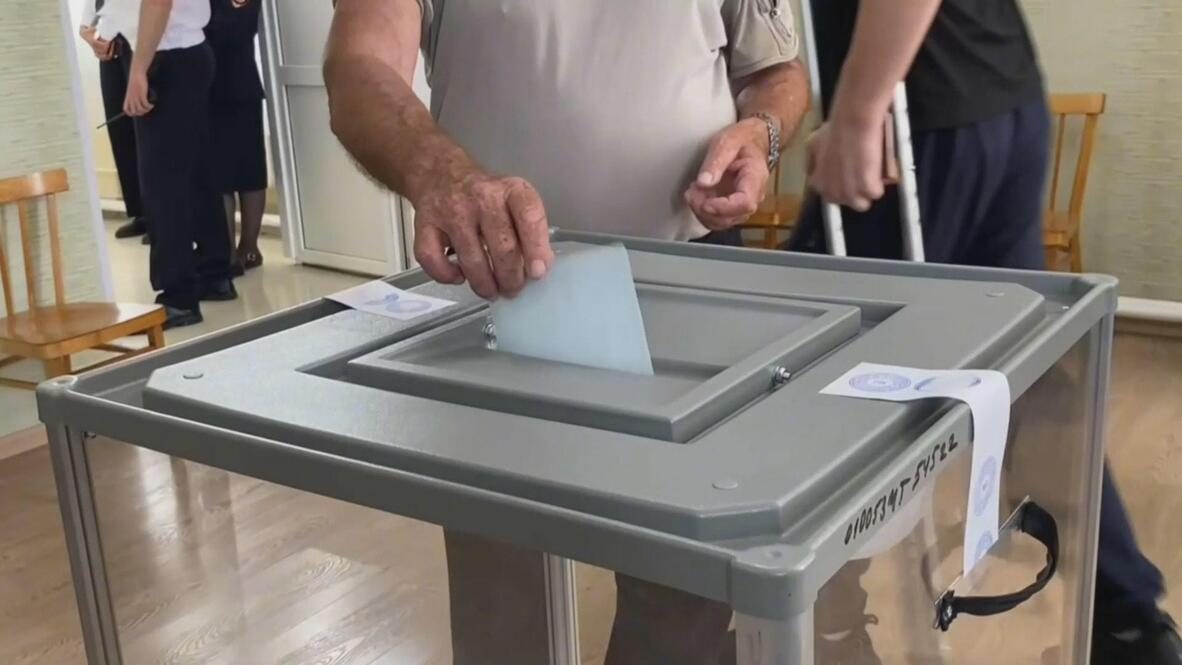
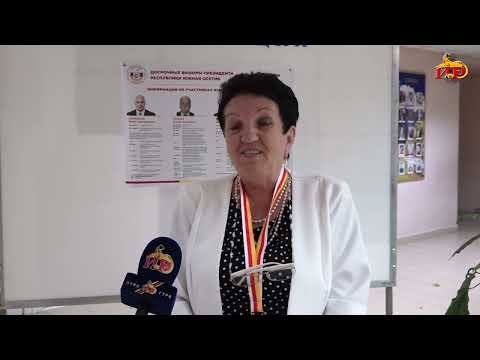
A former Russian federal official won South Ossetia's presidential election on September 18, taking 85% of the vote. Marat Kambolov, 61, had been prime minister for barely three months before the vote.

His rise is the product of a fast-tracked integration push. A May 25 treaty allowed any Russian citizen to hold office in South Ossetia, and the outgoing president resigned in June to become a Kremlin adviser, clearing the field for his Moscow pick. Georgia called the vote illegal, and the European Union said its outcome is null and void.

Why it matters

Every integration step moves South Ossetia closer to formal Russian annexation, eroding Georgia's claim to the territory and redrawing the Caucasus map.

Questions about this story

Free account needed to ask — your question is kept and asked for you right after sign-up. Answers are public.

No questions yet — be the first to ask.

Key Indicators

84.95%
Kambolov's vote share
Won 27,922 of 32,869 ballots cast, well over the majority required.
73%
Voter turnout
Reported by Russian state media for the September 18 vote.
~50,000
South Ossetia population
A territory heavily dependent on Russia for food, energy, wages, and pensions.
3
Months from adviser to president
Kambolov went from Kremlin adviser to acting president between June and September 2026.

Voices

Curated perspectives — historical figures and your fellow readers.

Ever wondered what historical figures would say about today's headlines?

Sign up to generate historical perspectives on this story.

People Involved

Organizations Involved

Timeline

August 2008 September 2026

9 events Latest: Yesterday
Tap a bar to jump to that date
  1. Kambolov declared winner

    Latest Election

    CEC certifies Kambolov's victory with 84.95% of the vote.

  2. Snap election held

    Election

    Voters cast ballots; Georgia and EU condemn the vote as illegal.

  3. Gagloyev steps down

    Leadership Change

    President resigns to advise Putin; Kambolov becomes acting president.

  4. Kambolov confirmed premier

    Appointment

    South Ossetia's parliament approves Kambolov as prime minister.

  5. Kambolov named adviser

    Appointment

    Gagloyev makes Kambolov his adviser on Russia integration.

  6. Integration treaty signed

    Treaty

    Russia and South Ossetia deepen defense, security, energy, and transport ties.

  7. Russia recognizes breakaway regions

    Diplomacy

    Moscow recognizes South Ossetia and Abkhazia as independent states.

  8. Five-Day War breaks out

    Conflict

    Russia invades Georgia, driving Georgian forces out of South Ossetia.

Scenarios

1

Russia formally annexes South Ossetia

Possible Resolves by End of 2028

Discussed by: Georgian Foreign Ministry (warns of 'de facto annexation'); EU (calls integration steps a move toward 'future illegal annexation')

Moscow follows the Crimea and Donbas playbook: a referendum, a formal accession treaty, and absorption into the Russian Federation. The May 2026 integration treaties and Kambolov's appointment as a Moscow loyalist lay the institutional groundwork. This would trigger Western sanctions and likely deepen Georgia's alignment with the West and NATO.

2

Integration deepens, formal annexation stays off the table

Likely Resolves by End of 2027

Discussed by: Reuters (citing the May treaty's integration of energy grids and transport); Russian state media

Russia absorbs South Ossetia's defense, energy, and legal systems while the territory keeps nominal independence. This mirrors the Abkhazia pattern: indefinite de facto integration under Russian control without a formal annexation vote, which would risk broader confrontation with the West. Kambolov governs as Moscow's regional manager.

3

New Western sanctions target South Ossetia integration

Possible Resolves by Q2 2027

Discussed by: EU statements; Georgian Foreign Ministry calls for 'proper international legal and political responses'

The EU or United States imposes targeted sanctions on Russian officials tied to the integration push, alongside diplomatic condemnation. This response already followed the 2008 recognition and the 2014 Crimea annexation. The trigger would be a concrete step like a formal union treaty or border integration with Russia.

Historical Context

2 moments from history that rhyme with this story — and how they unfolded.

August 2008-present

Abkhazia Recognition (2008)

Russia recognized Abkhazia, Georgia's other breakaway region, after the Five-Day War and gradually integrated its defense and economy with a military base and border agreements.

Then

Abkhazia remained a de facto independent state under Russian protection.

Now

Russia has never formally annexed Abkhazia, keeping it in indefinite semi-integration for 18 years.

Why this matters now

The alternative path for South Ossetia: deep Russian control without formal annexation, which the 2026 treaties and Moscow-loyal presidency now reproduce.

February-March 2014

Crimea Annexation (2014)

Russian troops took control of Ukraine's Crimean Peninsula, a referendum produced a reported 97% vote for joining Russia, and Moscow annexed the territory within weeks.

Then

The West imposed sanctions on Russia and expelled it from the G8.

Now

The annexation set a precedent for Russia absorbing neighboring territory by referendum, later applied to parts of Donbas in 2022.

Why this matters now

Shows the full annexation playbook Russia could apply to South Ossetia after the fast-tracked integration treaties of 2026.

Sources

(9)