

Pfizer's acquisition of Seagen (2023)
Facing the loss of $17 billion in annual revenue from expiring patents by 2030, Pfizer paid $43 billion to acquire Seagen, an antibody-drug conjugate specialist, in the largest pharmaceutical acquisition in years. The deal doubled Pfizer's oncology pipeline to 60 programs overnight.
Pfizer took on significant debt and faced integration challenges, with investors initially punishing the stock over the price tag and execution risk.
The deal reshaped Pfizer's identity from a COVID-era vaccine company back toward oncology, though the full revenue impact of the acquired pipeline won't be clear until the late 2020s.
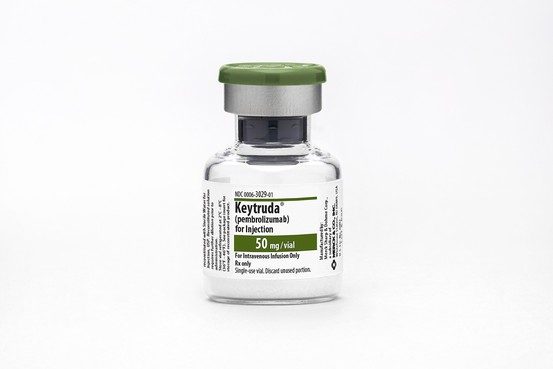
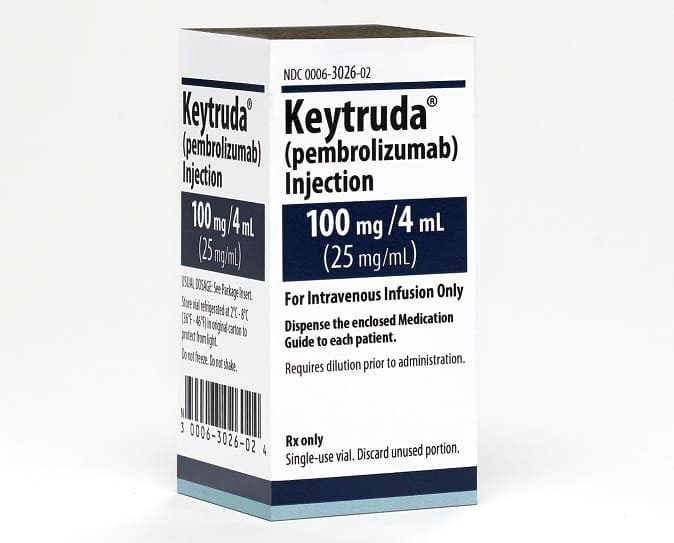
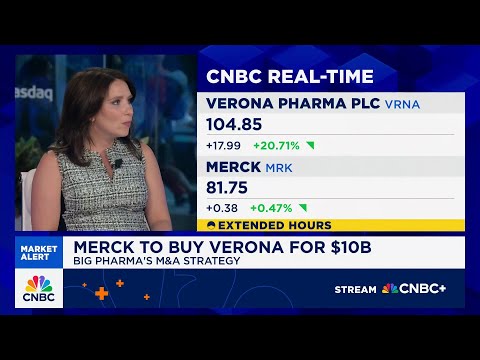
Merck's current strategy directly mirrors Pfizer's playbook: spend aggressively on acquisitions before the patent cliff hits, betting that new drug revenue will ramp up as legacy revenue declines. The question is whether Merck's more diversified approach — multiple mid-sized deals rather than one mega-deal — reduces or compounds the risk.