


Pull to refresh
Logo
Merck's remigromig meets main goal in pivotal eye disease trial

Merck's remigromig meets main goal in pivotal eye disease trial

New Capabilities

First new DME mechanism in 20 years to match anti-VEGF standard, though safety signals linger

Today: BRUNELLO trial hits primary endpoint

Overview

Updated 1 hour ago

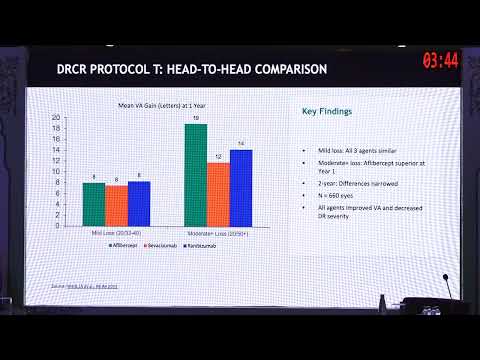
Merck said Thursday its experimental eye drug remigromig hit the primary endpoint in a 984-patient trial for diabetic macular edema. Both tested doses matched ranibizumab, the long-standing standard, on visual acuity at 52 weeks.

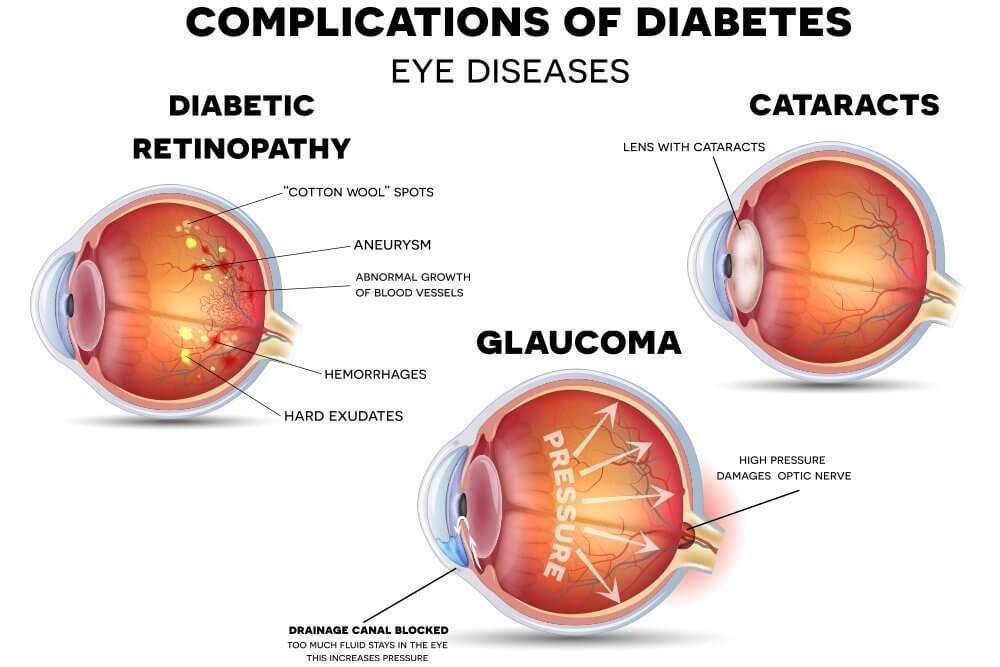
The result supports Merck's 2024 takeover of EyeBio, which cost $1.3 billion upfront plus up to $1.7 billion in milestones. Remigromig works differently than any approved DME drug: it activates the Wnt signaling pathway instead of blocking VEGF. That matters because up to 40% of patients don't respond to current drugs, though the trial also showed higher rates of proliferative diabetic retinopathy and vitreous hemorrhage in the remigromig arms.

Why it matters

Diabetic macular edema patients who fail current drugs, up to 40% of them, would get their first new mechanism of action in 20 years — if remigromig clears remaining hurdles.

Questions about this story

Free account needed to ask — your question is kept and asked for you right after sign-up. Answers are public.

No questions yet — be the first to ask.

Key Indicators

984
Patients enrolled in BRUNELLO trial
Randomized 1:1:1 to low-dose, high-dose remigromig, or ranibizumab.
$3B
Potential total deal value for remigromig
Merck paid $1.3 billion upfront to acquire EyeBio, with up to $1.7 billion more in milestones.
40%
DME patients who don't respond to current treatment
Cited by Merck Research Laboratories president Dean Li as the population remigromig targets.

Voices

Curated perspectives — historical figures and your fellow readers.

Ever wondered what historical figures would say about today's headlines?

Sign up to generate historical perspectives on this story.

People Involved

Organizations Involved

Timeline

2024 March 2027

4 events Latest: Today
Tap a bar to jump to that date
  1. BAROLO trial expected to complete

    Upcoming Clinical Trial

    Second pivotal Phase 2b/3 trial of remigromig in DME reaches primary completion, per ClinicalTrials.gov.

  2. Full year-one data at AAO Annual Meeting

    Upcoming Conference Presentation

    BRUNELLO year-one results presented in New Orleans at the American Academy of Ophthalmology Annual Meeting.

  3. BRUNELLO trial hits primary endpoint

    Today Clinical Trial Result

    Both remigromig doses (0.5 mg, 0.8 mg) show non-inferiority to ranibizumab on visual acuity at 52 weeks in 984 patients.

  4. Merck acquires EyeBio in $3B deal

    Acquisition

    Merck completes $1.3 billion upfront takeover of EyeBio, gaining remigromig and MK-8748.

Scenarios

1

FDA approves remigromig for diabetic macular edema

Possible Resolves by Q2 2028

Discussed by: Merck's stated intent to discuss BRUNELLO data with regulators; Wells Fargo analysts tracking the program

Merck discusses data with regulatory authorities and files a Biologics License Application once BAROLO confirms. If the safety signals from BRUNELLO don't block approval, remigromig reaches the market as the first non-VEGF mechanism for DME, positioned for patients who need a different approach. The roughly 40% of non-responders to anti-VEGF therapy are the commercial target.

2

BAROLO trial confirms remigromig's non-inferiority

Likely Resolves by May 31, 2027

Discussed by: Merck's development plan requiring a second pivotal trial; analysts assessing the DME market

The second pivotal trial, BAROLO, reaches primary completion in March 2027. If it replicates non-inferiority to ranibizumab, remigromig's efficacy story holds across two trials, strengthening Merck's filing and its commercial case against newer rivals like Vabysmo and Eylea.

3

Safety signal restricts remigromig's path

Possible Resolves by End of 2027

Discussed by: Observed imbalances in proliferative diabetic retinopathy, vitreous hemorrhage, and adverse-event discontinuations across remigromig arms

Further analyses of BRUNELLO characterize the higher rates of proliferative diabetic retinopathy and vitreous hemorrhage in remigromig patients. If the imbalance appears drug-related, the FDA could require a boxed warning, restrict the indication, or demand additional studies, delaying approval and limiting the addressable population.

Historical Context

3 moments from history that rhyme with this story — and how they unfolded.

June 2006

Ranibizumab (Lucentis) transforms retinal care (2006)

The FDA approved ranibizumab for wet age-related macular degeneration, then later for DME. It replaced laser photocoagulation as the standard of care and established the anti-VEGF class of drugs that dominate retinal disease treatment today.

Then

Anti-VEGF injections became the standard for DME and wet AMD, creating a multi-billion-dollar market.

Now

A substantial share of patients plateau or lose response over time, leaving room for new mechanisms.

Why this matters now

Ranibizumab is the active control in BRUNELLO — the 2006-era standard that Wells Fargo's analyst called 'the weakest drug' in today's DME market.

November 2011

Eylea takes on Lucentis (2011)

Regeneron's aflibercept (Eylea) won FDA approval for wet AMD, showing non-inferior vision outcomes with less frequent dosing. It captured market share on convenience rather than superior efficacy.

Then

Eylea became a blockbuster and pushed Genentech to develop longer-acting rivals like Vabysmo.

Now

Non-inferiority plus better dosing proved commercially decisive; matching vision outcomes alone was not enough to win.

Why this matters now

Remigromig faces the same bar: matching ranibizumab on vision may not be enough unless it offers patients or doctors something beyond equivalence.

January 2022

Vabysmo extends the anti-VEGF frontier (2022)

Roche's faricimab (Vabysmo), a bispecific antibody blocking both VEGF-A and angiopoietin-2, won approval for DME with dosing intervals up to 16 weeks. It grew rapidly, capturing significant DME market share within two years.

Then

Vabysmo showed combination mechanisms can beat single-target drugs in the retina market.

Now

It raised the commercial bar for any new entrant, which must compete against extended dosing intervals and strong efficacy.

Why this matters now

Remigromig's Wnt pathway approach is a different bet — not extending the VEGF block, but fixing the blood-retinal barrier biology itself.

Sources

(6)