
Pull to refresh
Logo
Moldova declares 60-day state of emergency over energy and water supplies

Moldova declares 60-day state of emergency over energy and water supplies

Built World

Consumption cuts and fuel stock limits take effect amid drought and import costs

September 26th, 2026: Emergency powers take effect

Overview

Updated Sep 28

Moldova's 60-day state of emergency over energy and water supplies took effect September 26. The government's first orders restrict electricity exports during evening peak hours and cut lighting in public buildings by at least 30%.

A 400 kV power line was knocked out by glaze ice as the emergency began, testing the grid early. Fuel exports from the Port of Giurgiulești are now barred unless reserves top 5,000 tons of gasoline and 25,000 tons of diesel.

Why it matters

Rivers near crisis, 59% of winter power imported, and a grid that lost a line to ice: Moldova faces rationing that tests its pro-European government.

Questions about this story

Free account needed to ask — your question is kept and asked for you right after sign-up. Answers are public.

No questions yet — be the first to ask.

Key Indicators

60 days
Length of state of emergency
In effect since September 26, 2026.
5,000 t
Gasoline stock floor for exports
Exports from Port of Giurgiulești barred unless gasoline reserves exceed 5,000 tons (25,000 for diesel).

Voices

Curated perspectives — historical figures and your fellow readers.

Ever wondered what historical figures would say about today's headlines?

Sign up to generate historical perspectives on this story.

People Involved

Organizations Involved

Timeline

July 2026 November 2026

9 events Latest: September 26th, 2026 · 1 week ago
Tap a bar to jump to that date
  1. Emergency set to end unless extended

    Upcoming Projected

    The 60-day window closes; parliament could extend it.

  2. Emergency powers take effect

    Latest Policy

    Government gains fast authority over energy, fuel, and water supplies.

  3. State of emergency takes effect

    Policy

    The 60-day emergency covering energy and water supplies begins, as approved by parliament September 22.

  4. Government issues consumption-reduction orders

    Policy

    Electricity exports restricted between 17:00 and 21:00, lighting in public buildings cut by at least 30%, and fuel export thresholds set for the Port of Giurgiulești.

  5. 400 kV power line knocked out by glaze ice

    Infrastructure

    The Isaccea–Vulcanesti–MGRES line drops voltage, causing disturbances in the power system. The line is in the process of being restored; the energy minister says the system is operating stably.

  6. Earlier states of alert expire

    Deadline

    July's alerts lapse as risks persist.

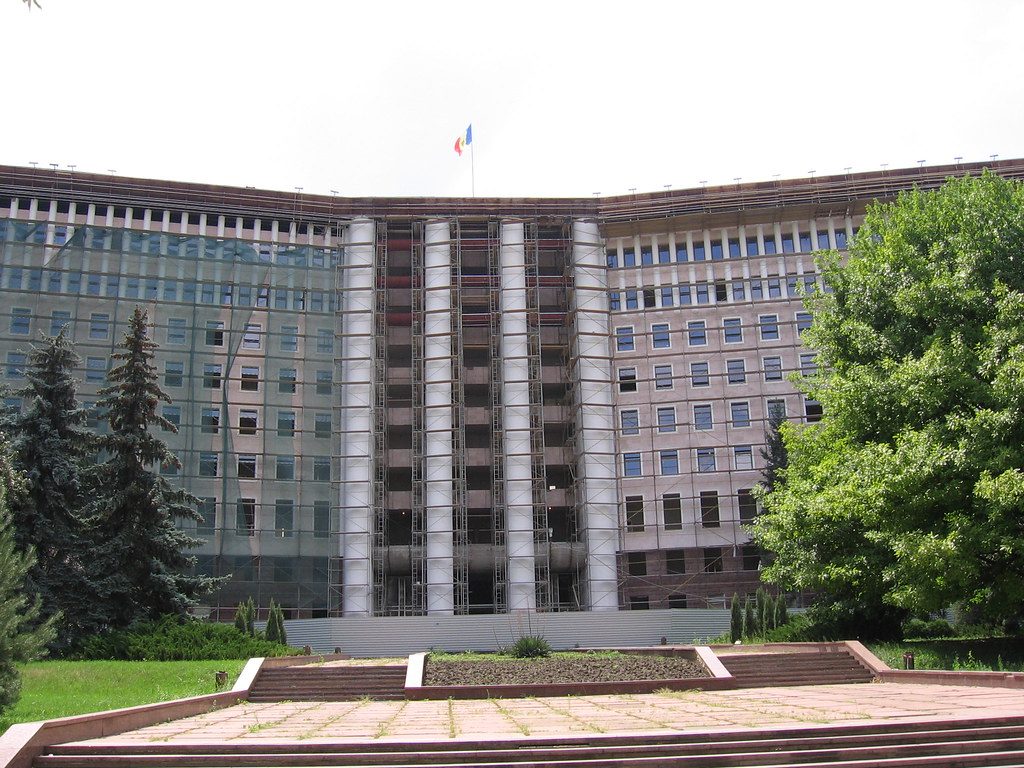
  7. Parliament approves 60-day state of emergency

    Vote

    Deputies vote 54-20 for the measure, effective September 26; 22 do not cast ballots.

  8. Sandu chairs security council on winter energy resilience

    Meeting

    President convenes officials to weigh the international energy crisis and preparations for winter.

  9. Drought triggers states of alert in energy and water sectors

    Alert

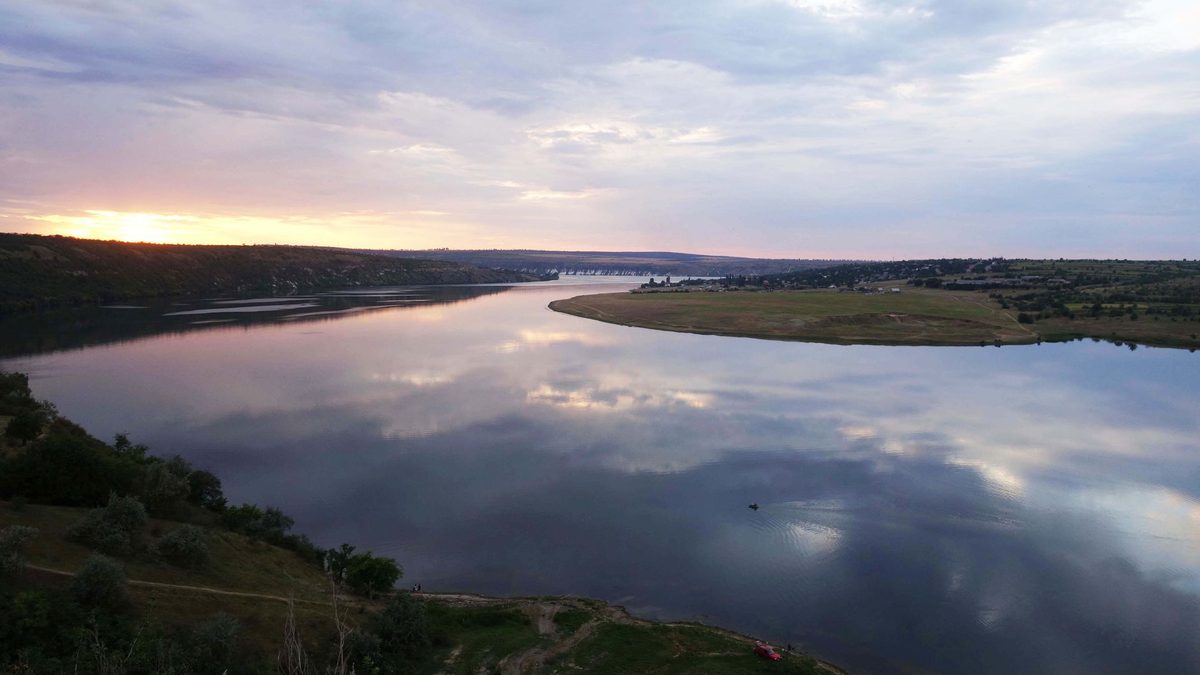
    Severe drought across Europe prompts preventive alerts as river levels fall.

Scenarios

1

Emergency powers carry Moldova through winter without outages

Likely Resolves by Nov 25, 2026

Discussed by: Prime Minister Vasile Tofan, Speaker Igor Grosu

The government uses its new powers to lock in gas and electricity contracts, buffer price spikes through excise and value-added tax adjustments, and release fuel reserves. If imports hold and autumn rain stabilizes river levels, households see higher bills but no cutoffs and the emergency expires on schedule.

2

Water restrictions hit non-essential use as Dniester stays low

Possible Resolves by Oct 31, 2026

Discussed by: Environment Minister Gheorghe Hajder

If inflow to the Novodnistrovsk reservoir keeps running far below the 60 cubic meters per second minimum, authorities impose temporary limits on irrigation and other non-essential uses to protect drinking-water stations in northern and central Moldova.

3

Energy price spike forces emergency subsidies above plan

Possible Resolves by Dec 15, 2026

Discussed by: Prime Minister Vasile Tofan

Tofan has already said compensation to households will exceed initial plans and cover more than the 620,000 supported last winter. If import prices keep climbing, the government may expand the program to full winter coverage and tap fiscal levers to soften the hit.

4

Winter weather causes more grid failures

Possible Resolves by Nov 25, 2026

Discussed by: Energy Minister Dorin Junghietu

A 400 kV line was knocked out by glaze ice and wind days after the emergency began. If severe weather returns, localized outages are possible even with fuel stocks secure.

Historical Context

2 moments from history that rhyme with this story — and how they unfolded.

October 2022 - March 2023

Moldova's 2022-23 energy crisis

Russia's Gazprom slashed gas deliveries to Moldova, sending prices soaring and prompting rolling blackouts. The country scrambled to buy from European markets and leaned on foreign aid packages to survive winter.

Then

Moldova diversified suppliers and avoided a full cutoff, but paid heavily for emergency purchases.

Now

The episode hardened Moldova's westward energy integration and helped secure European Union candidate status.

Why this matters now

This emergency repeats that winter's pattern: heavy import dependence, price vulnerability, and political stakes riding on keeping lights and heat on.

Summer 2022

European drought of 2022

A continent-wide drought dropped rivers including the Rhine to record lows, disrupting shipping, hydropower, and cooling for nuclear plants. Barges ran at partial loads and industrial traffic slowed for months.

Then

Millions in cargo delays and reduced power generation across affected regions.

Now

Droughts became a recurring risk for European energy and water systems, not a one-off event.

Why this matters now

It shows how a hydrological deficit ripples through power systems, the same linkage now binding Moldova's Dniester levels to its electricity supply.

Sources

(11)