
Pull to refresh
Logo
Toxic haze from Indonesian wildfires sickens tens of thousands

Toxic haze from Indonesian wildfires sickens tens of thousands

Force in Play

Health ministry records 174,694 respiratory infections since August; more than 40,000 are toddlers

Today: Respiratory case count exceeds 170,000

Overview

Updated 1 hour ago

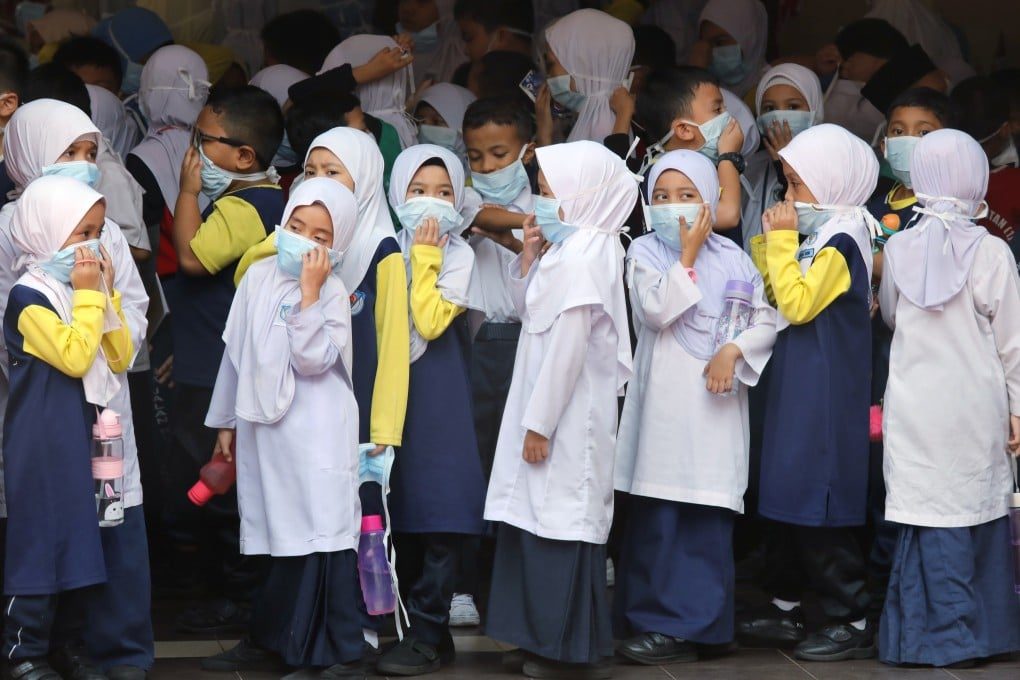
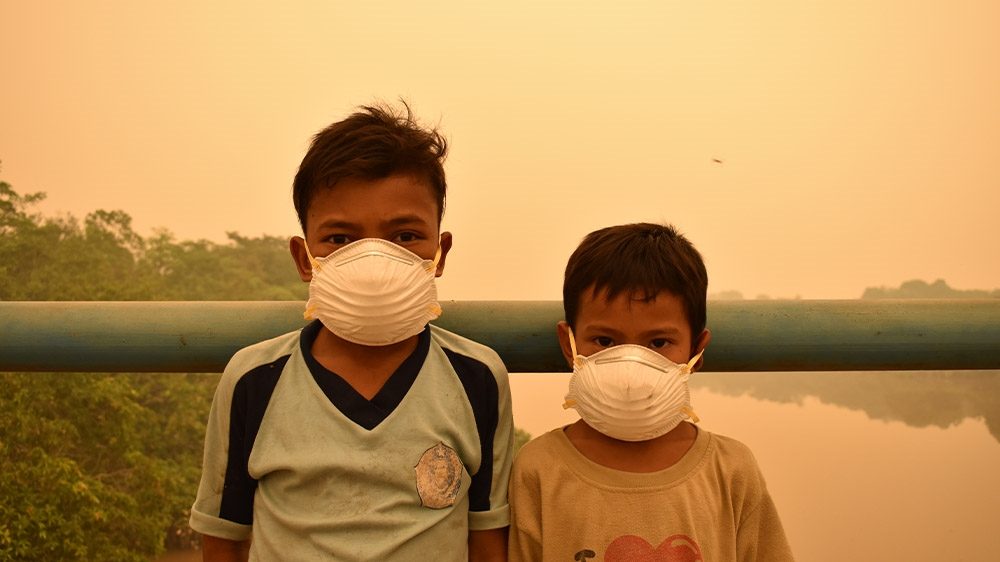
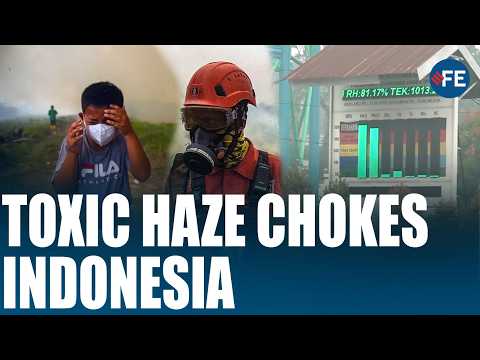
Indonesia's health ministry has recorded 174,694 acute respiratory infections since August in provinces hit by forest and land fires. More than 40,000 of the cases are toddlers, with symptoms ranging from mild coughs to pneumonia.

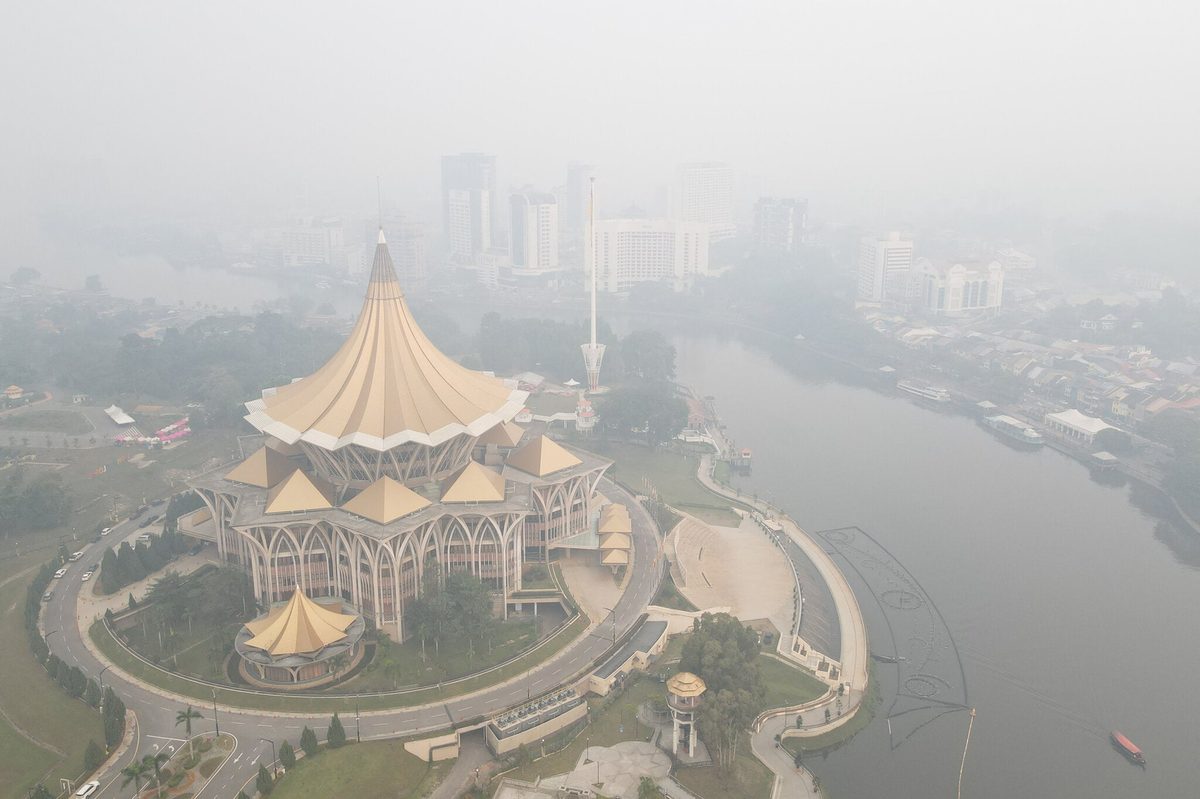
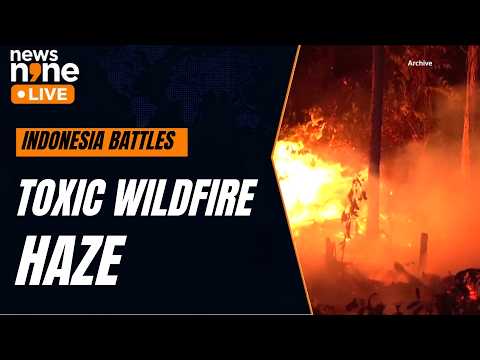
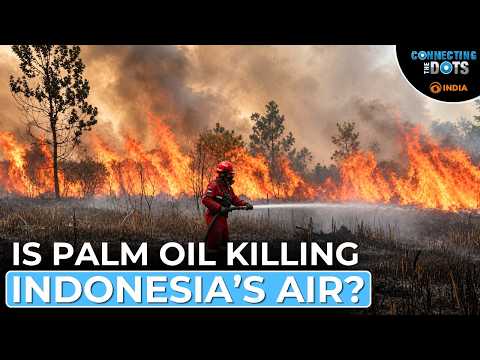
The fires, burning across Borneo and Sumatra, have pushed air quality into hazardous territory in parts of Indonesia, Malaysia, and Singapore. A 'super El Nino' has dried the region, and the rainy season isn't expected until November.

Why it matters

Toxic smoke from Indonesian peatland fires is crossing borders and sickening hundreds of thousands, with no relief expected until November rains.

Questions about this story

Free account needed to ask — your question is kept and asked for you right after sign-up. Answers are public.

No questions yet — be the first to ask.

Key Indicators

174,694
Respiratory infection cases
Acute respiratory infections recorded in fire-affected areas from August to September 21
40,363
Toddler cases
Cases involving children under five, per the health ministry
734,000
Fire hotspots detected
Detected by Nusantara Atlas as of September 23, 30% more than 2019
8,957 sq km
Area burned since January
34% worse than 2019, per Nusantara Atlas data

Voices

Curated perspectives — historical figures and your fellow readers.

Ever wondered what historical figures would say about today's headlines?

Sign up to generate historical perspectives on this story.

People Involved

Organizations Involved

Timeline

August 2026 September 2026

6 events Latest: Today
Tap a bar to jump to that date
  1. Respiratory case count exceeds 170,000

    Today Data

    Case count in fire-affected areas passes 170,000, with more than 40,000 involving toddlers.

  2. Health ministry reports 174,694 cases

    Statement

    Then Suyanti announces 174,694 acute respiratory infections from August to September 21; 40,363 are toddlers.

  3. Nusantara Atlas reports 895,657 hectares burned

    Data

    Independent monitoring platform shows burned area since January is 34% worse than 2019.

  4. Case count doubles to 113,336

    Data

    Respiratory infection cases more than double in just over a week, per health ministry data.

  5. Case count reaches 50,891

    Data

    Health ministry records 50,891 respiratory infection cases in fire-affected areas.

  6. Health ministry begins tracking respiratory infections

    Monitoring

    Indonesia's health ministry starts recording acute respiratory infections in areas affected by forest and land fires.

Scenarios

1

November rains douse the fires

Likely Resolves by Dec 15, 2026

Discussed by: BMKG forecasts rainy season onset in November

Indonesia's weather agency expects the rainy season to begin in November. If rains arrive on schedule, fires will subside and respiratory case counts will stop climbing. The El Nino pattern could delay rains, but November onset is the current forecast.

2

El Nino delays rains, fires burn into 2027

Possible Resolves by Q1 2027

Discussed by: BMKG expects El Nino to persist until Q1 2027

If the El Nino pattern holds, dry conditions continue past November. Peatland fires can burn underground for months, resurfacing when conditions allow. Case counts would keep climbing and air quality alerts would extend into 2027.

3

Government escalates enforcement against slash-and-burn

Uncertain Resolves by End of 2026

Discussed by: Indonesian authorities have deployed 54,000 officials and water-bombing jets

Indonesia could shift from firefighting to enforcement, prosecuting plantation companies that use slash-and-burn clearing. The government has already mobilized health workers and oxygen supplies, and could face pressure to act on the root cause of the fires.

Historical Context

3 moments from history that rhyme with this story — and how they unfolded.

August-November 1997

1997 Southeast Asian haze

The first major Southeast Asian haze crisis, caused by a strong El Nino and widespread slash-and-burn clearing. Fires burned millions of hectares across Indonesia, sending smoke across the region for months.

Then

Haze affected millions across the region; the economic cost was estimated in the billions of dollars.

Now

Led to the 2002 ASEAN Agreement on Transboundary Haze Pollution, though Indonesia did not ratify it until 2014.

Why this matters now

Demonstrates that the current crisis is part of a three-decade pattern of El Nino-driven fire seasons in Indonesia.

September-October 2015

2015 Southeast Asian haze crisis

The worst haze crisis on record, caused by El Nino-driven drought and slash-and-burn clearing on Indonesian peatland. Fires burned for weeks, affecting tens of millions of people across Indonesia, Malaysia, and Singapore.

Then

Air quality reached hazardous levels across the region; schools closed and airports shut down in multiple countries.

Now

Led to ASEAN cooperation agreements and Indonesian peatland restoration efforts, though enforcement remained inconsistent.

Why this matters now

Shows how El Nino-driven drought and slash-and-burn practices produce recurring haze crises that cross national borders.

August-October 2019

2019 Indonesia wildfires

One of Indonesia's worst wildfire seasons, with fires burning across Borneo and Sumatra. The 2026 season has 30% more hotspots than 2019, according to Nusantara Atlas data.

Then

Haze blanketed the region for weeks; Indonesia deployed tens of thousands of personnel to fight the fires.

Now

Prompted renewed calls for peatland restoration and better fire management, though enforcement remained weak.

Why this matters now

The 2026 season is already worse than 2019 in both hotspot counts and burned area, making it the most intense fire season in 11 years.

Sources

(10)