
Pull to refresh
Logo
Singapore toughens haze law with arrest powers and tenfold fines

Singapore toughens haze law with arrest powers and tenfold fines

Rule Changes

Parliament rewrites the 2014 Transboundary Haze Pollution Act after the worst air quality since 2015

Overview

Updated 5 hours ago

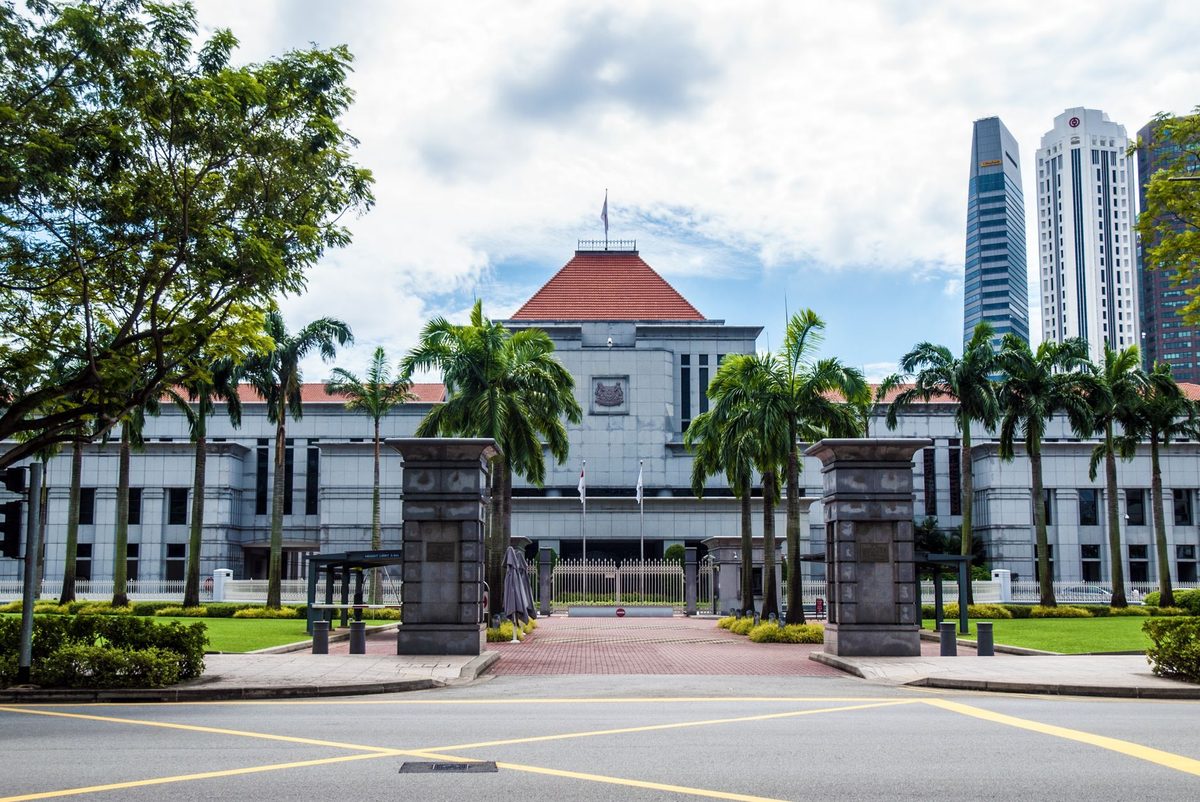
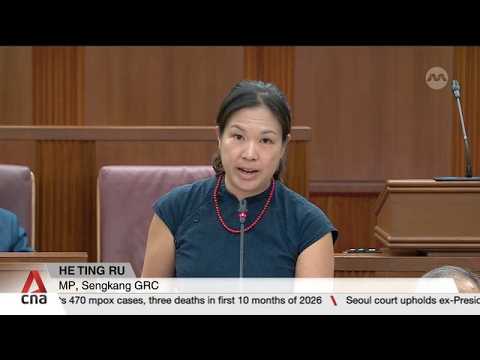
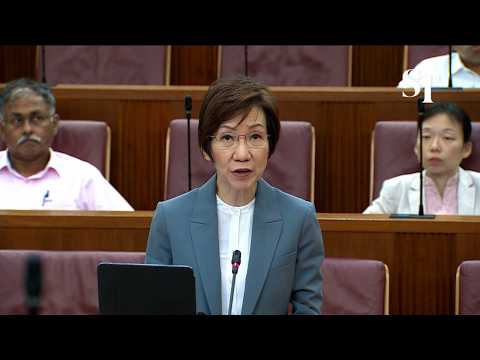
Singapore's Parliament passed amendments to the Transboundary Haze Pollution Act on Nov. 4, 2026, giving officials power to arrest suspects without a warrant, try them in their absence, and fine companies up to S$1 million a day. The maximum aggregate fine rose tenfold, from S$2 million to S$20 million.

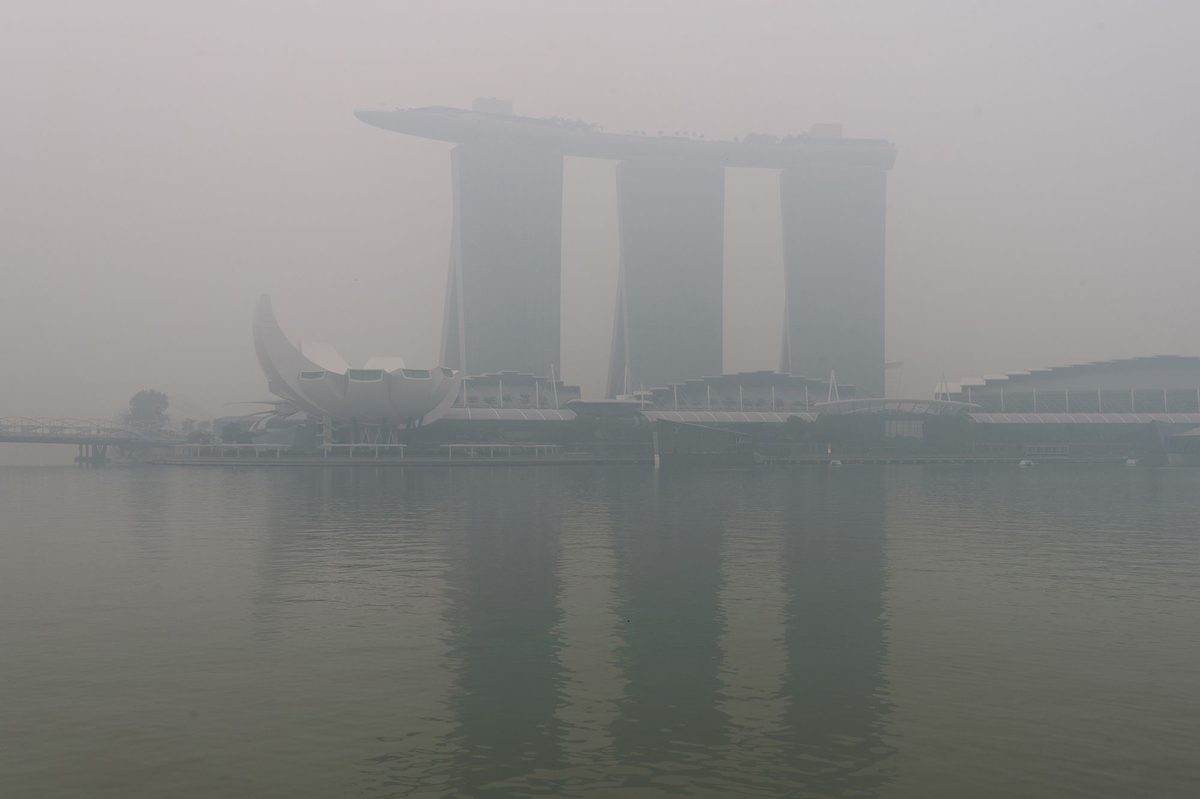
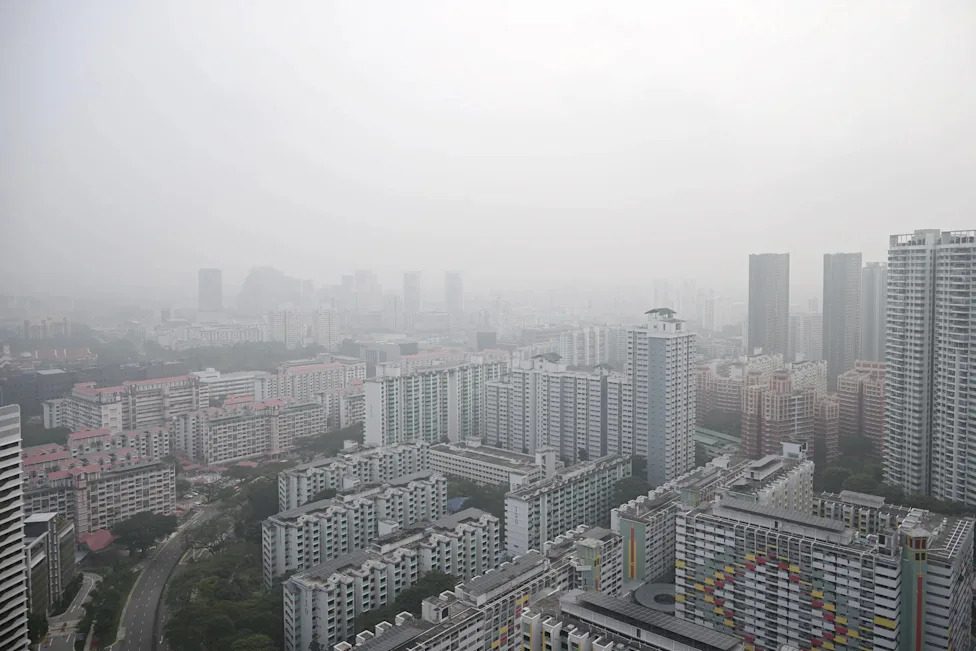
The trigger was a September-October haze episode that pushed the 24-hour Pollutant Standards Index above 200, the worst reading since 2015. The amended law also lets the government restrict a company's business dealings before any conviction, and it covers fires that pose a 'risk of haze' even if the smoke never reaches Singapore.

Why it matters

A company outside Singapore can now be cut off from financing and its executives arrested on arrival, before any court conviction.

Questions about this story

Free account needed to ask — your question is kept and asked for you right after sign-up. Answers are public.

No questions yet — be the first to ask.

Key Indicators

S$20M
Maximum aggregate fine
Up from S$2 million before the amendment.
S$1M
Maximum daily fine
Up from S$100,000 per day.
S$10M
Maximum civil penalty
A new route that cannot run alongside a criminal prosecution.
200+
Peak 24-hour PSI, 2026 haze
The reading crossed into the 'very unhealthy' range.

Voices

Curated perspectives — historical figures and your fellow readers.

Sign up to generate historical perspectives on this story.

People Involved

Organizations Involved

Timeline

2014 November 2026

4 events Latest: Yesterday
Tap a bar to jump to that date
  1. Parliament passes haze law amendments

    Latest Legislation

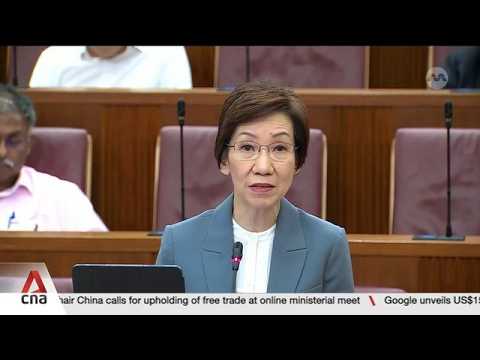
    After a six-hour debate, MPs approved arrest powers, trials in absentia and tenfold fines.

  2. Haze returns, PSI crosses 200

    Environmental

    Readings in September and October reached the 'very unhealthy' range.

  3. Haze episode sets the benchmark

    Environmental

    Singapore's 2015 haze became the reference point for 'worst air quality since'.

  4. Singapore enacts Transboundary Haze Pollution Act

    Legislation

    The law lets Singapore pursue companies whose overseas fires cause haze at home.

Scenarios

1

Singapore files its first charges under the expanded haze law

Possible Resolves by Nov 4, 2027

Discussed by: The Business Times; CNA

The amended Act gives the National Environment Agency and the Attorney-General's Chambers arrest powers, trials in absentia, and orders forcing companies to fund their own expert assessment. If investigators identify a company with a Singapore presence, charges could follow. The open question is whether evidence from fires in Indonesia can meet the standard for a prosecution.

2

Minister designates a company, cutting off its financing

Possible Resolves by Nov 4, 2027

Discussed by: The Business Times; Lianhe Zaobao

The amended law lets the minister for sustainability and the environment designate errant entities and bar others from doing business with them, including loans and financial support. A breach carries a fine of up to S$1 million. This route does not require a criminal conviction, so it may be used before any prosecution.

3

A court imposes a fine above S$5 million

Uncertain Resolves by Nov 4, 2029

Discussed by: The Business Times; The Edge Malaysia

The maximum aggregate fine is now S$20 million, and courts can also strip profits gained or losses avoided. Whether judges use the higher range is untested. The government said it does not expect the maximum fine in every case.

Historical Context

2 moments from history that rhyme with this story — and how they unfolded.

2014

Transboundary Haze Pollution Act (2014)

Singapore passed the Act to hold companies accountable for fires abroad that send smoke across its border. It created offences and fines, but enforcement ran into the difficulty of gathering evidence on activities in another country.

Then

The law gave Singapore a legal basis to pursue companies, though cases were rare.

Now

The 2026 amendments are the first major rewrite, adding arrest powers, in-absentia trials and much larger penalties.

Why this matters now

The new powers are designed to fix the enforcement gap that limited the 2014 Act.

September-October 2015

Southeast Asian haze episode (2015)

A severe burning season across the region produced prolonged haze over Singapore and neighbouring countries. It became the standard against which later episodes are measured.

Then

Air quality reached hazardous levels and public health warnings were issued.

Now

The episode shaped regional diplomacy over palm-oil and forestry fires, but cross-border enforcement stayed weak.

Why this matters now

The 2026 episode was described as Singapore's worst since 2015, which is why Parliament fast-tracked the amendments.

Sources

(11)