
Pull to refresh
Logo
Daily Brief
Following
Why Ranks Sign Up
Senate confirms Warsh to Federal Reserve Board

Senate confirms Warsh to Federal Reserve Board

Rule Changes

Trump ally clears first of two votes en route to replacing Powell as Fed chair

2 days ago: Senate confirms Warsh as Fed governor

Overview

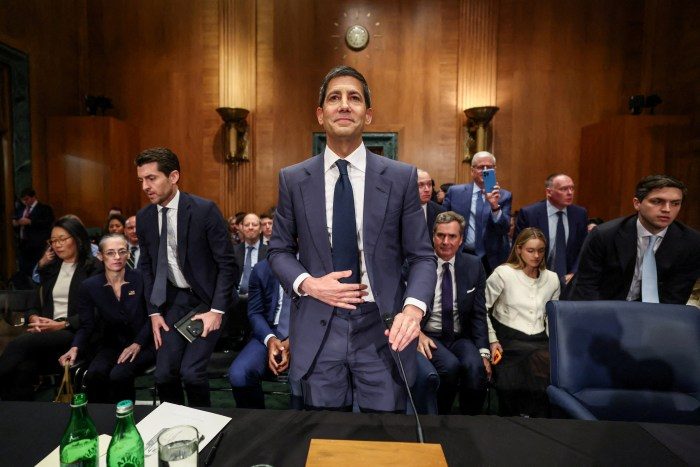
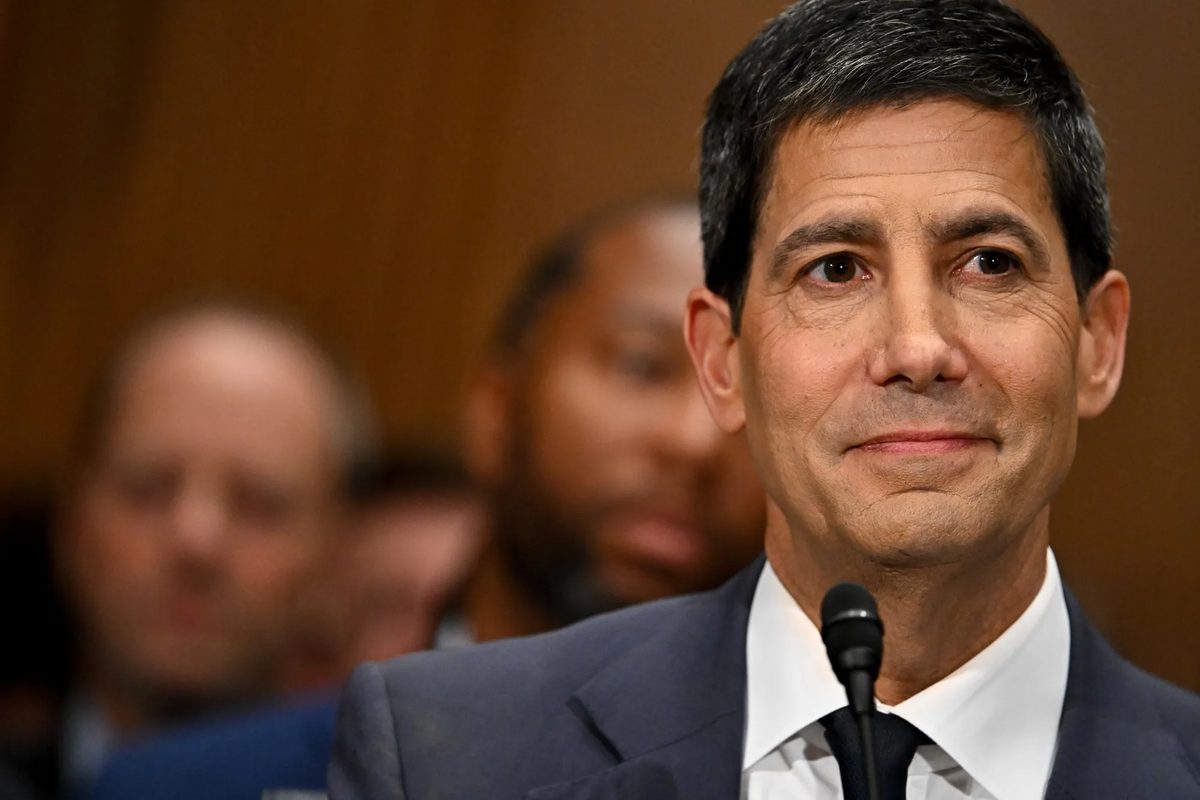
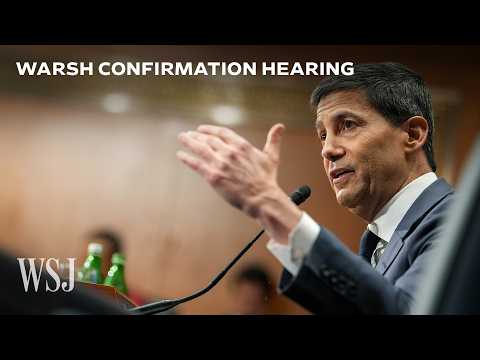
The Senate voted Tuesday to install Kevin Warsh on the Federal Reserve Board of Governors. The 14-year term puts a long-time Trump ally on the central bank one vote shy of becoming Jerome Powell's successor as chair.

Why it matters

The person who sets U.S. interest rates is changing for the first time in eight years, and the new pick wants cuts now.

Key Indicators

14 years
Warsh's term as Fed governor
Standard governor term that outlasts the next two presidential elections.
49-44
Cloture vote margin
The May 11 procedural vote that cleared the path to confirmation.
8 years
Powell's tenure as chair
Powell led the Fed through pandemic stimulus and the post-2022 inflation fight.
2
Senate votes required
Separate confirmations for the governor seat and the chair role.

Interactive

Exploring all sides of a story is often best achieved with Play.

Ever wondered what historical figures would say about today's headlines?

Sign up to generate historical perspectives on this story.

People Involved

Organizations Involved

Timeline

  1. Senate confirms Warsh as Fed governor

    Legislative

    Roll call vote installs Warsh on the Federal Reserve Board for a 14-year term. The chair vote is expected within days.

  2. Senate clears cloture, 49-44

    Legislative

    A procedural vote ends debate on the governor nomination, setting up the final confirmation vote.

  3. Committee approves nomination

    Legislative

    Senate Banking votes Warsh out of committee on a party-line vote.

  4. Banking Committee hearings

    Legislative

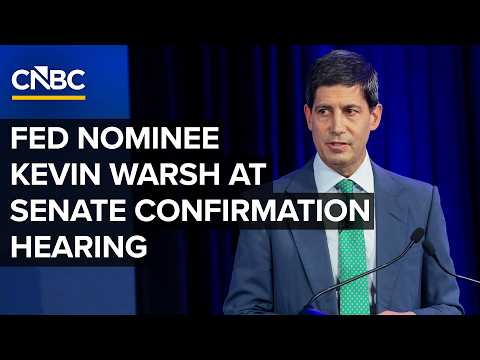
    Warsh testifies for two days. Democrats press him on Fed independence; Republicans focus on his inflation-era Fed experience.

  5. Trump nominates Warsh

    Appointment

    Trump announces Warsh for both the open governor seat and the chair role Powell will vacate in May.

  6. Warsh publishes rate-cut argument

    Statement

    A Wall Street Journal op-ed by Warsh argues the Fed is keeping rates too high and damaging the labor market.

  7. Iran-war oil shock hits prices

    Economic

    Conflict in the Persian Gulf sends crude prices sharply higher. U.S. inflation, which had been near 3%, climbs back above 5%.

  8. Trump picks Powell over Warsh

    Appointment

    After interviewing Warsh, Trump chooses Powell for Fed chair. Warsh returns to academia and finance.

Scenarios

Predict which scenario wins. Contrarian picks score more — points lock in when the scenario resolves.

Log in to predict. Track your picks, climb the leaderboard. Log in Sign Up
1

Warsh confirmed as chair, cuts rates by July meeting

The Senate confirms Warsh as chair this week. He pushes the Federal Open Market Committee to cut the policy rate at its next meeting, signaling a faster path down than the Powell-era trajectory. Traders price in two more cuts by year-end.

Resolves by: 2026-07-31
Source: Federal Reserve official FOMC statement
Discussed by: Bloomberg Economics, Goldman Sachs rates desk
Consensus
2

Warsh confirmed but holds rates steady at first meeting

Warsh becomes chair but governs more cautiously than his rate-cut rhetoric suggested. Faced with sticky inflation from the Iran-war oil shock, he keeps rates unchanged at his first FOMC meeting and emphasizes data dependence in his press conference.

Resolves by: 2026-07-31
Source: Federal Reserve official FOMC statement
Discussed by: Wall Street Journal Fed coverage, former Fed officials
Consensus
3

Chair confirmation stalls past Powell's term end

The chair confirmation vote slips past Powell's chair term expiry. Vice Chair Philip Jefferson runs FOMC meetings as acting chair while the Senate works through procedural delays or a Democratic hold.

Resolves by: 2026-06-15
Source: Official Senate Clerk record of floor votes
Discussed by: Politico congressional reporting, Punchbowl News
Consensus
4

Bond markets sell off on Fed independence concerns

Long-end Treasury yields rise sharply in the weeks after the chair confirmation as investors demand more compensation for inflation risk under a chair viewed as aligned with the White House. The 10-year yield breaks above 5%.

Resolves by: 2026-08-31
Source: U.S. Treasury Department daily yield curve rates
Discussed by: Financial Times markets desk, PIMCO
Consensus

Historical Context

Volcker confirmed as Fed chair (1979)

August 1979

What Happened

President Carter named Paul Volcker chair of the Fed with inflation running above 11%. Volcker raised the federal funds rate above 19% within two years, triggering a recession and double-digit unemployment.

Outcome

Short Term

Mortgage rates topped 18%. Volcker drew protests from farmers and homebuilders, who mailed him pieces of wood from unbuilt houses.

Long Term

Inflation fell from 13% to under 4% by 1983 and stayed low for a generation. The episode became the template for how an independent Fed beats inflation.

Why It's Relevant Today

Warsh inherits a smaller but real inflation problem. The Volcker era is the benchmark for whether a Fed chair will tolerate near-term pain to bring prices back to target.

Burns appointed by Nixon (1970)

January 1970

What Happened

Nixon installed his economic adviser Arthur Burns as Fed chair, then privately pressured him to keep money loose ahead of the 1972 election. Burns delivered. Inflation rose from 4% in 1971 to 12% by 1974.

Outcome

Short Term

Nixon won reelection in a landslide as the economy boomed.

Long Term

The Burns Fed is the textbook case of a politically captured central bank. The inflation it unleashed took Volcker's recession to undo.

Why It's Relevant Today

Critics of the Warsh pick cite Burns as the warning. Supporters argue Warsh's hawkish 2008-era record makes the comparison unfair.

Powell elevated by Trump (2017)

November 2017

What Happened

Trump chose Powell over Warsh and three other finalists. Within a year Trump was publicly attacking Powell on Twitter for raising rates, calling him a bigger enemy than Xi Jinping.

Outcome

Short Term

Powell continued raising rates through 2018, then reversed course in 2019 as growth slowed.

Long Term

The episode established that a Fed chair can survive sustained presidential pressure. Powell was renominated by Biden in 2022.

Why It's Relevant Today

Warsh was the runner-up in 2017. He arrives as chair eight years later with the same president, a different economic backdrop, and a clearly stated preference for cuts.

Sources

(4)