
Pull to refresh
Logo
Foot-and-mouth outbreak cuts Namibia's beef exports to the EU

Foot-and-mouth outbreak cuts Namibia's beef exports to the EU

Rule Changes

First outbreak in the country's commercial livestock zone in 60 years triggers import suspension and nationwide movement controls

Today: EU suspension holds as containment continues

Overview

Updated 1 hour ago

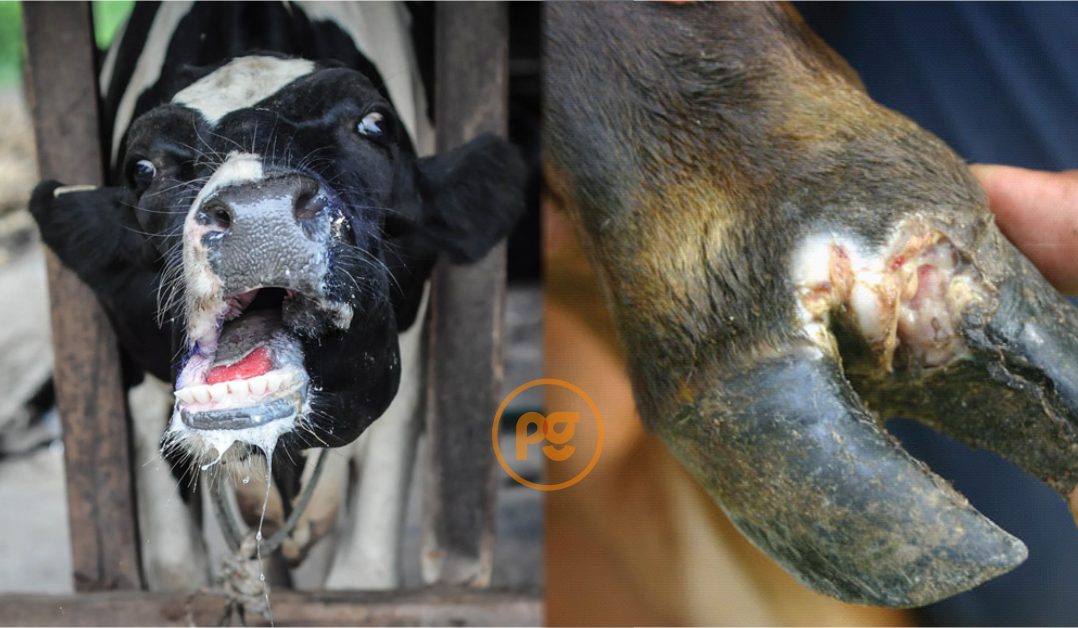
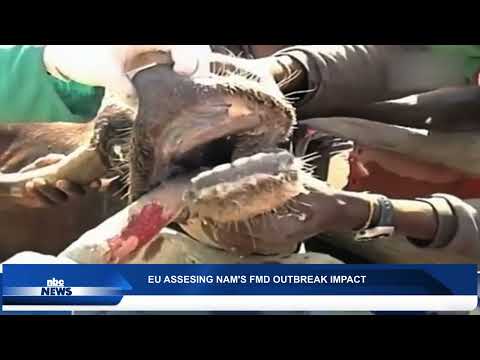
Namibia's beef industry lost access to its largest export market after foot-and-mouth disease broke out in the country's primary commercial livestock zone for the first time in 60 years. The virus was confirmed September 23 on a farm in the southern //Kharas Region, and has since spread to 17 farms and a second region in the north.

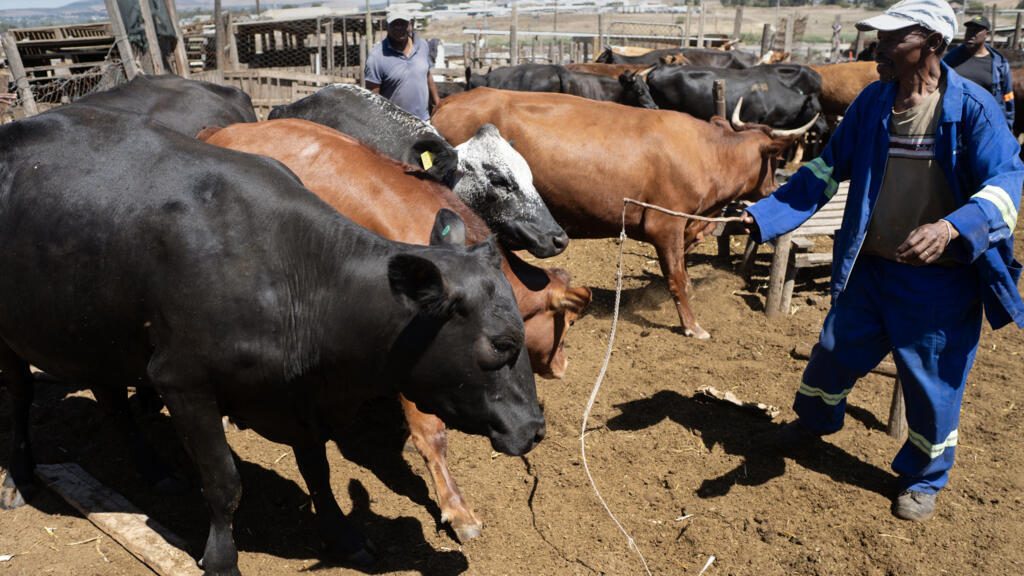
The European Union suspended imports of fresh beef, sheep and goat meat, plus processed products like biltong, on October 5. Meat Corporation of Namibia has put about 400 workers on paid leave, and farmers face months without income while movement controls stay in place.

Why it matters

An EU import ban and movement controls threaten Namibia's beef export industry — a pillar of its rural economy — unless containment succeeds.

Questions about this story

Free account needed to ask — your question is kept and asked for you right after sign-up. Answers are public.

No questions yet — be the first to ask.

Key Indicators

129
Positive FMD samples
Laboratory-confirmed foot-and-mouth cases as of October 6, 2026.
17
Farms with confirmed infection
Confirmed infected farms across the //Kharas Region as of October 6.
29,313
Animals inspected
Animals checked by surveillance teams across 68 farms since the outbreak began.
400
Meatco workers on paid leave
Production workers placed on three weeks of special leave at the Windhoek abattoir.
US$1.8M
Paid to farmers for delivered cattle
Meatco paid N$31 million for cattle delivered to its Windhoek abattoir between August 29 and September 11.

Voices

Curated perspectives — historical figures and your fellow readers.

Ever wondered what historical figures would say about today's headlines?

Sign up to generate historical perspectives on this story.

People Involved

Organizations Involved

Timeline

September 2026 October 2026

9 events Latest: Today
Tap a bar to jump to that date
  1. EU suspension holds as containment continues

    Today Status

    EU import restrictions remain in effect; cordon fence construction along Orange River underway.

  2. Meatco puts hundreds of workers on leave

    Economic

    Meatco places about 400 production workers on paid leave; pays N$31 million for delivered cattle.

  3. Zambezi Region restrictions imposed

    Regulatory

    Movement of cloven-hoofed animals suspended; auctions and slaughter halted in the region.

  4. FMD confirmed in Zambezi Region

    Outbreak

    Foot-and-mouth confirmed in cattle at Kalala Island, Kabbe constituency, Zambezi Region.

  5. Positive cases reach 129 across 17 farms

    Update

    Ministry reports 129 positive samples; 17 farms confirmed infected in //Kharas.

  6. EU suspends Namibian meat imports

    Trade

    EU suspends fresh meat imports from Namibia's NA-1 zone; President reports 127 positive cases.

  7. Movement restrictions partially lifted

    Regulatory

    Notification 16 relaxes some movement bans; full restrictions remain in //Kharas Region.

  8. First FMD case confirmed in //Kharas Region

    Outbreak

    Foot-and-mouth confirmed on a commercial farm in Karasburg district; nationwide movement ban issued.

  9. WOAH suspends Namibia's FMD-free status

    Regulatory

    World Organisation for Animal Health suspends Namibia's foot-and-mouth-free status effective September 22.

Scenarios

1

EU lifts import suspension after Namibia regains FMD-free status

Possible Resolves by Q2 2027

Discussed by: EU official statements, Ministry of Agriculture updates, WOAH protocols

If containment holds — no new cases for a sustained period and emergency vaccination works — Namibia can apply to WOAH to restore its FMD-free status. Once restored, the EU would lift the import suspension. WOAH typically requires three months without new cases following the last confirmed infection, plus demonstrated surveillance. The cordon fence along the Orange River and roadblocks would need to show they prevented further spread.

2

Outbreak spreads beyond current regions, extending export ban

Possible Resolves by Q1 2027

Discussed by: Al Jazeera reporting on spread to Zambezi, NAU warnings

FMD has already jumped from //Kharas to Zambezi, roughly 1,500 kilometers apart. If it reaches additional regions — through animal movement despite roadblocks, or wildlife vectors — the EU would maintain or extend its restrictions. Broader spread would also delay Namibia's FMD-free restoration, since surveillance and containment would need to cover more territory. The 90-day transitional window for pre-outbreak certified consignments would expire without a path to renewed exports.

3

Interim commodity-based trade restores partial exports

Possible Resolves by Jan 31, 2027

Discussed by: Namibia Agricultural Union, farmers' groups, EU statements on processed meat eligibility

The NAU is pushing for interim arrangements that allow animals to move to abattoirs under veterinary control, with safeguards, traceability measures and documentation. The EU already permits processed meat that undergoes its most severe risk-mitigating treatment, and Namibia's commodity-based trade system allows export abattoirs to slaughter eligible cattle that pass quarantine checks. If trading partners formally approve a broader CBT framework, some exports could resume before full FMD-free status is restored.

Historical Context

2 moments from history that rhyme with this story — and how they unfolded.

February to September 2001

UK foot-and-mouth outbreak (2001)

The UK's worst FMD outbreak began in February 2001 at a farm in Northumberland. Over 2,000 cases were confirmed nationwide and more than 6 million animals were culled in an attempt to contain the virus. The outbreak cost an estimated £8 billion and devastated farming and rural tourism.

Then

The EU banned British meat exports for months. Farmers faced massive compensation claims and income losses, and the military was deployed to support culling operations.

Now

The UK overhauled its animal disease response with faster culling protocols and better compensation systems. The outbreak reshaped European FMD policy and preparedness.

Why this matters now

The UK 2001 outbreak shows how quickly a single FMD case cascades into national economic damage and prolonged export market closure — the same dynamic Namibia faces now.

November 2010 to April 2011

South Korea foot-and-mouth outbreak (2010-2011)

An FMD outbreak swept South Korea, hitting cattle and pigs across the country. Over 3.5 million animals were culled, roughly one-third of the national pig herd, in a massive slaughter campaign that lasted months.

Then

South Korea halted pork and beef exports, and meat prices rose domestically. The government paid billions in compensation to affected farmers.

Now

The outbreak pushed South Korea to adopt more aggressive vaccination policies and revise its culling strategy, highlighting the tension between swift containment and economic cost.

Why this matters now

Namibia has chosen targeted vaccination and movement controls instead of mass culling, but faces the same export market closure that forced South Korea to weigh containment speed against farmer livelihoods.

Sources

(8)