0
What is Catnip?
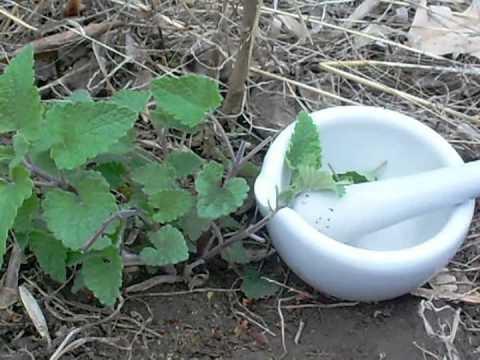
Catnip (Nepeta cataria) is a mint-family herb whose essential oil contains nepetalactone, a compound that repels mosquitoes by triggering their pain receptors — the same mechanism that makes cats act erratically around the plant.
Why it matters: Because catnip grows wild or is easily cultivated in East Africa, it gives rural communities a self-sourced repellent without depending on imported chemicals.
- Nepetalactone, catnip's active compound, is an iridoid monoterpene that activates mosquitoes' TRPA1 itch/pain receptor — making the insects flee the scent rather than just masking the host's smell as DEET does.
- Early Iowa State University lab work (2001) found nepetalactone about ten times more potent than DEET by weight; the Uganda field trial found 6% catnip oil matched DEET in real-world conditions, and even 2% provided over 70% repellency for one to four hours.
- Safety profiling shows nepetalactone has lower predicted toxicity than DEET and favorable absorption properties, making it viable for skin application.
Room for disagreement
- Early lab results (Iowa State, 2001) claimed catnip was ten times more effective than DEET, but that was a controlled olfactometer test, not a field study; the Uganda trial found rough parity at 6%, not superiority — suggesting lab-to-field translation is less dramatic than early headlines implied.
AI-generated with web search — may be wrong. Check the linked sources.