Pull to refresh
Logo
Daily Brief
Following
Why
The end of the epinephrine needle

The end of the epinephrine needle

New Capabilities
By Newzino Staff | |

After 35 Years of Injection-Only Options, Needle-Free Epinephrine Expands Globally While U.S. Approval Faces Packaging Redesign

February 2nd, 2026: FDA Issues Complete Response Letter for Anaphylm

Overview

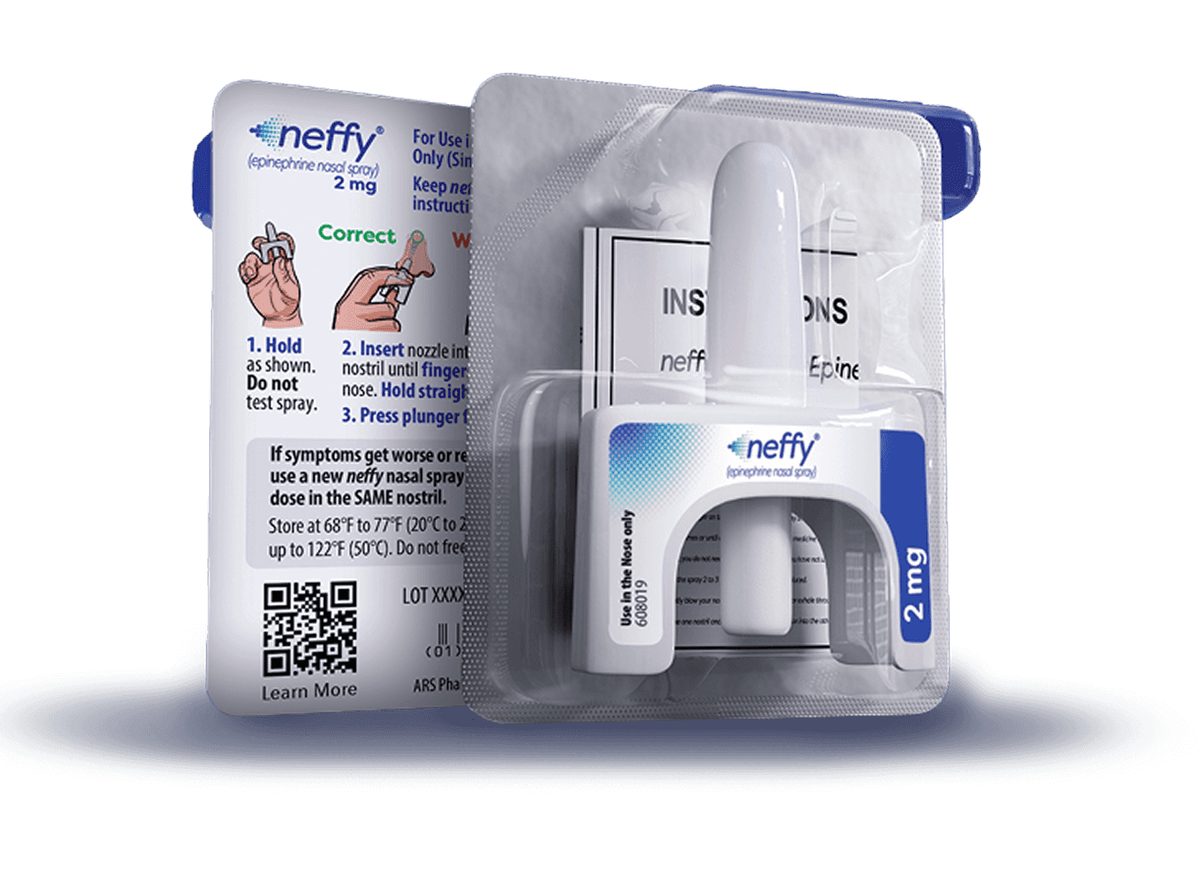
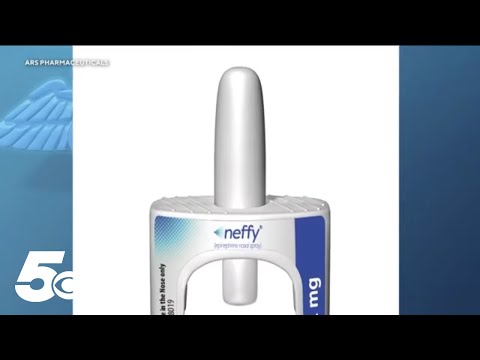
For nearly four decades, Americans facing life-threatening allergic reactions had exactly one option: stab themselves with a needle. The EpiPen and its competitors delivered epinephrine effectively, but needle phobia kept roughly 30% of patients from using their prescribed devices during emergencies—contributing to preventable deaths. Now the needle era is ending. The Food and Drug Administration (FDA) approved the first needle-free alternative, a nasal spray called neffy, in August 2024. On February 2, 2026, the FDA issued a Complete Response Letter for Anaphylm, a dissolvable film placed under the tongue, rejecting the application but limiting deficiencies to human factors and packaging rather than safety or efficacy concerns. Aquestive Therapeutics expects to resubmit in the third quarter of 2026 after conducting a redesigned human factors validation study and a supporting pharmacokinetics study.

The stakes extend beyond convenience. An estimated 33 million Americans carry severe allergy risks, with food allergies alone triggering 30,000 emergency room visits and 150 to 200 deaths annually. Delayed epinephrine use is a leading risk factor in fatal reactions. Meanwhile, neffy is expanding internationally—the European Commission approved EURneffy in August 2024, and in February 2026, the European Medicines Agency's Committee for Medicinal Products for Human Use issued a positive opinion for neffy in children. If Anaphylm gains approval following its resubmission and both needle-free options gain market traction, the treatment gap created by fear of needles could narrow substantially—potentially saving lives that current delivery methods cannot reach.

Key Indicators

38%
Auto-injector usage rate
Percentage of patients who actually used their prescribed epinephrine auto-injector during severe reactions that warranted it
33M
Americans at risk
Estimated number of people in the US with severe allergy risks who may need emergency epinephrine
$2.87B
Epinephrine market (2023)
Current US market size, projected to reach $6.93 billion by 2034
86%
Would prefer needle-free
Percentage of physicians who agreed patients would prefer a needle-free epinephrine delivery method

Interactive

Exploring all sides of a story is often best achieved with Play.

Benjamin Franklin

Benjamin Franklin

(1706-1790) · Enlightenment · wit

Fictional AI pastiche — not real quote.

"A marvelous invention, though I confess some amusement that a nation which boasts of its courage should find its citizens choosing death over a small prick. Fear, I have observed, kills more men than the sword—and now, it seems, more than anaphylaxis as well."

Ever wondered what historical figures would say about today's headlines?

Sign up to generate historical perspectives on this story.

Sign Up

Debate Arena

Two rounds, two personas, one winner. You set the crossfire.

People Involved

Daniel Barber
Daniel Barber
President and Chief Executive Officer, Aquestive Therapeutics (Leading company through FDA review of Anaphylm)
Richard Lowenthal
Richard Lowenthal
Chief Executive Officer, ARS Pharmaceuticals (Leading company after successful neffy FDA approval)

Organizations Involved

Aquestive Therapeutics
Pharmaceutical Company
Status: Received FDA Complete Response Letter; resubmitting NDA in Q3 2026 after human factors and PK studies

New Jersey-based pharmaceutical company specializing in oral film drug delivery technology.

ARS Pharmaceuticals
ARS Pharmaceuticals
Pharmaceutical Company
Status: neffy expanding internationally; EMA positive opinion issued for pediatric use in Europe

San Diego-based pharmaceutical company that developed neffy, the first needle-free epinephrine treatment.

U.S. Food and Drug Administration
Federal Regulatory Agency
Status: Reviewing Anaphylm NDA with January 31, 2026 target date

US federal agency responsible for approving drugs and medical devices for market.

Timeline

  1. FDA Issues Complete Response Letter for Anaphylm

    Regulatory

    The FDA rejected Anaphylm's NDA but limited deficiencies to human factors and packaging—not safety or efficacy. Aquestive must redesign the pouch opening mechanism and conduct a new human factors validation study plus a supporting pharmacokinetics study. Company expects to resubmit in Q3 2026.

  2. EMA Committee Issues Positive Opinion for neffy in Children

    Regulatory

    The European Medicines Agency's Committee for Medicinal Products for Human Use issued a positive opinion for EURneffy (neffy) for emergency treatment of anaphylaxis in children, expanding needle-free access in Europe.

  3. FDA Target Decision Date for Anaphylm

    Regulatory

    The PDUFA target action date for Anaphylm. The FDA may approve, reject, or request additional information.

  4. FDA Notifies Aquestive of NDA Deficiencies

    Regulatory

    The FDA identified unspecified deficiencies in the Anaphylm application that prevent labeling discussions, though the review continues.

  5. ARS Pharmaceuticals Files Citizen Petition Against Anaphylm

    Regulatory

    ARS Pharmaceuticals filed a citizen petition urging the FDA to delay approval of Anaphylm, citing safety, dosing, and real-world use concerns about the sublingual epinephrine film.

  6. FDA Accepts Anaphylm NDA, Sets January 2026 Decision Date

    Regulatory

    The FDA accepted Aquestive's application and assigned a January 31, 2026 target action date. No advisory committee meeting required.

  7. Aquestive Completes Anaphylm NDA Submission

    Regulatory

    Aquestive submitted its New Drug Application for Anaphylm sublingual film, supported by 11 clinical studies with 967 administrations.

  8. FDA Approves Neffy for Younger Children

    Regulatory

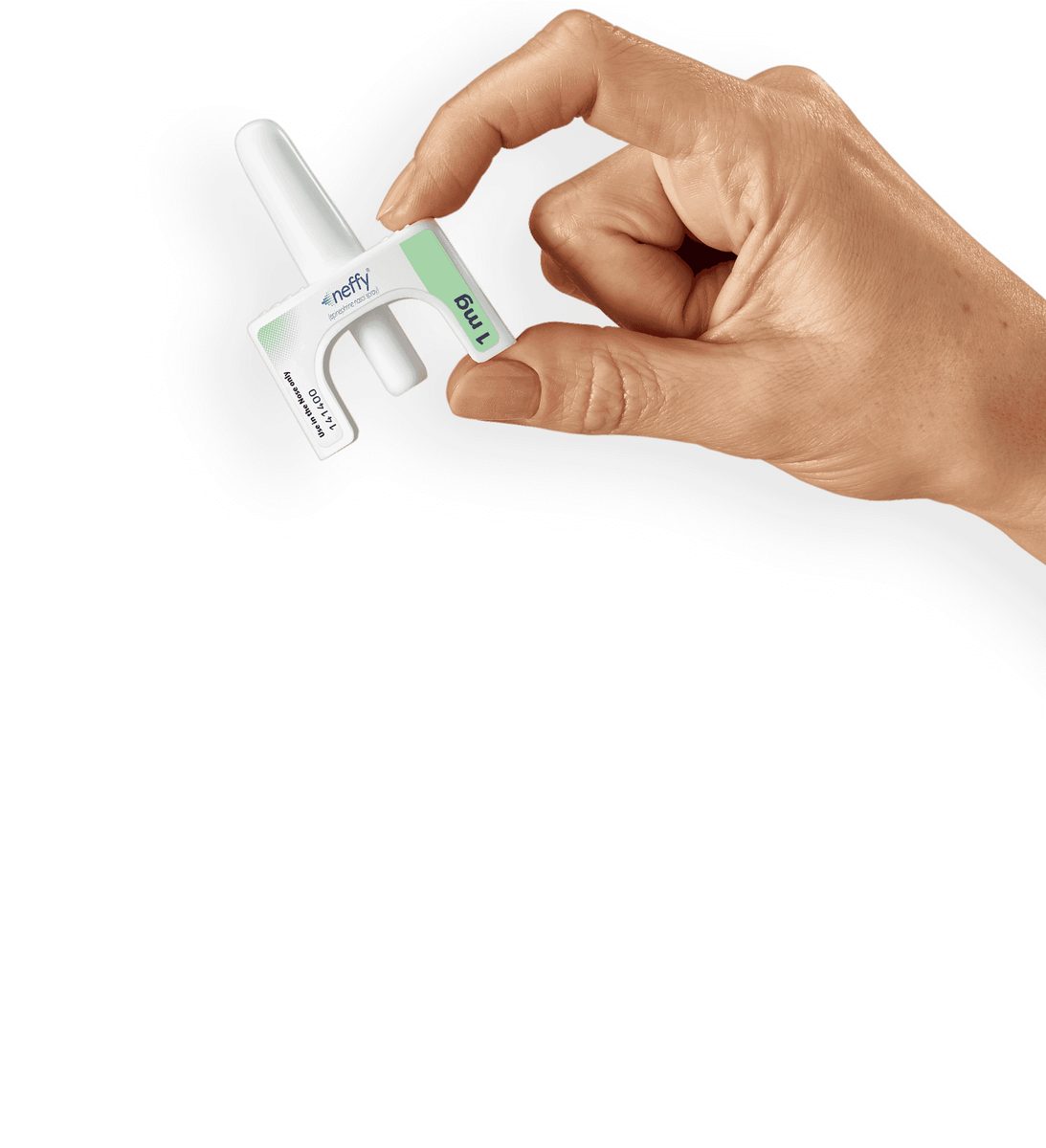
    The FDA approved a 1mg neffy dose for children ages 4 and older weighing 33-66 pounds, expanding needle-free access.

  9. FDA Approves Neffy: First Needle-Free Epinephrine

    Regulatory

    The FDA approved neffy nasal spray for adults and children over 66 pounds—the first needle-free epinephrine option in 35 years.

  10. Generic EpiPen Enters Market

    Market

    A generic version of the EpiPen became available, offering a lower-cost needle-based option at $150-200.

  11. Mylan CEO Testifies Before Congress on EpiPen Prices

    Political

    Heather Bresch testified before Congress about EpiPen price increases from $100 to over $600. The scandal intensified calls for alternatives.

  12. Sanofi Recalls All Auvi-Q Devices

    Recall

    Sanofi voluntarily recalled all Auvi-Q auto-injectors due to potential dosage delivery failures, temporarily leaving EpiPen as the dominant option.

  13. FDA Approves Auvi-Q Talking Auto-Injector

    Regulatory

    The FDA approved Auvi-Q, an auto-injector with voice guidance developed by twin brothers with severe allergies. It remained needle-based.

  14. Mylan Acquires EpiPen Rights

    Corporate

    Mylan acquired US marketing rights to EpiPen from Merck KGaA. The company would raise prices from roughly $100 to over $600 by 2016.

  15. FDA Approves First EpiPen Auto-Injector

    Regulatory

    The FDA approved the first modern epinephrine auto-injector, establishing needle-based delivery as the standard of care for anaphylaxis treatment.

Scenarios

1

FDA Approves Anaphylm, Second Needle-Free Option Reaches Market

Discussed by: HCPLive, Allergic Living, and industry analysts covering the January 2026 PDUFA date

The FDA approves Anaphylm despite the identified deficiencies, determining they can be addressed through labeling or post-marketing commitments. Aquestive launches the sublingual film in 2026, giving patients two needle-free options: nasal spray and oral film. Competition between neffy and Anaphylm could drive down prices and accelerate adoption of needle-free delivery.

2

FDA Issues Complete Response Letter, Requests More Data

Discussed by: Fierce Biotech, Patient Care Online, and pharmaceutical industry analysts

The January 9 deficiency notification signals deeper issues than expected. The FDA issues a Complete Response Letter requiring additional clinical data, manufacturing changes, or labeling revisions. Approval slips to late 2026 or 2027, leaving neffy as the sole needle-free option and reducing competitive pressure on pricing.

3

Anaphylm Approved, But Nasal Conditions Limit Neffy's Market Share

Discussed by: Yale Medicine, allergy specialists noting neffy's contraindications

Both products reach market, but their different delivery methods create distinct patient populations. Neffy's warnings about nasal polyps and nasal surgery push some patients toward Anaphylm's sublingual film. The oral film captures patients who cannot use nasal spray, while neffy retains those comfortable with nasal delivery.

4

Needle-Free Options Remain Niche as Insurance Coverage Lags

Discussed by: GoodRx, Consumer Reports, and patient advocacy groups

Even with FDA approval, high list prices and limited insurance coverage keep needle-free options out of reach for many patients. Generic EpiPen alternatives at $150-200 remain the default choice for cost-conscious consumers, and needle-free adoption remains concentrated among patients with documented needle phobia or ability to pay out of pocket.

5

Delayed Approval Extends Neffy's Market Exclusivity

Discussed by: Industry analysts, Seeking Alpha contributors following AQST stock

The FDA's January 9 deficiency notification delays Anaphylm approval into late 2026 or 2027, giving neffy 12-18 additional months as the sole needle-free option. ARS Pharmaceuticals uses this time to establish market dominance, secure preferred formulary positions with insurers, and build brand recognition. By the time Anaphylm launches, neffy has already captured significant market share and established physician prescribing patterns that prove difficult to disrupt.

6

Anaphylm Resubmission Approved in Q4 2026, Two Needle-Free Options Compete

Discussed by: Aquestive management, pharmaceutical analysts tracking AQST stock

Aquestive successfully completes human factors and pharmacokinetics studies by Q3 2026 and resubmits the NDA. The FDA grants approval in Q4 2026, bringing Anaphylm to market alongside neffy. Both products establish distinct market positions—neffy for nasal delivery, Anaphylm for sublingual administration—reducing reliance on needle-based epinephrine and creating competitive pricing pressure.

7

European Approval Precedes U.S. Launch, Anaphylm Gains International Foothold

Discussed by: Aquestive investor relations, European regulatory analysts

Anaphylm receives European marketing authorization in late 2026 before U.S. approval, allowing Aquestive to establish commercial presence and clinical experience in Europe. This international success strengthens the company's position for eventual U.S. launch and demonstrates product viability to U.S. physicians and payers.

Historical Context

EpiPen Pricing Crisis (2016)

August-September 2016

What Happened

Mylan raised the price of EpiPen two-packs from roughly $100 in 2007 to over $600 by 2016—a 500% increase. The company's chief executive, Heather Bresch, testified before Congress and claimed Mylan made only $50 profit per pen. Public outrage intensified as families reported rationing doses and schools struggled to afford devices.

Outcome

Short Term

Mylan launched an authorized generic at $300. State and federal investigations followed. Bresch faced intense criticism for her $19 million salary.

Long Term

The scandal became a symbol of pharmaceutical pricing problems and accelerated interest in alternatives. Mylan eventually agreed to a $264 million class-action settlement in 2022.

Why It's Relevant Today

The pricing crisis demonstrated market dysfunction when a single delivery method dominates. Needle-free alternatives create competition that could prevent future monopoly pricing.

Auvi-Q Recall and Return (2015-2017)

October 2015 - Early 2017

What Happened

Sanofi recalled all Auvi-Q auto-injectors after reports of potential dosage delivery failures. The recall removed EpiPen's main competitor from the market just before the pricing scandal erupted. Kaléo later reacquired the product and relaunched it in 2017 with an automated robotic production line.

Outcome

Short Term

EpiPen's market share temporarily exceeded 89%. Patients with Auvi-Q prescriptions scrambled to switch devices.

Long Term

The recall showed how thin the competitive field was and how vulnerable patients were to a single-product market.

Why It's Relevant Today

The recall highlighted the risks of limited treatment options. Multiple needle-free alternatives would create redundancy that protects patients from supply disruptions.

Suboxone Film Approval (2010)

August 2010

What Happened

The FDA approved Suboxone sublingual film for opioid dependence treatment, using the same PharmFilm technology Aquestive is now applying to epinephrine. The film offered a discreet, convenient alternative to tablets and became one of the most successful sublingual film products.

Outcome

Short Term

Suboxone Film gained rapid market acceptance, eventually capturing most of the buprenorphine market.

Long Term

The product validated sublingual film delivery for medications requiring rapid absorption and demonstrated the commercial potential of the technology platform.

Why It's Relevant Today

Aquestive's PharmFilm technology has a proven track record with FDA approval and commercial success. Anaphylm uses the same underlying platform.

18 Sources: