


Pull to refresh
Logo
Daily Brief
Following
Why
The first new class of pain medication in two decades

The first new class of pain medication in two decades

New Capabilities
By Newzino Staff |

Suzetrigine offers opioid-level pain relief without addiction risk

January 30th, 2025: FDA Approves Suzetrigine

Overview

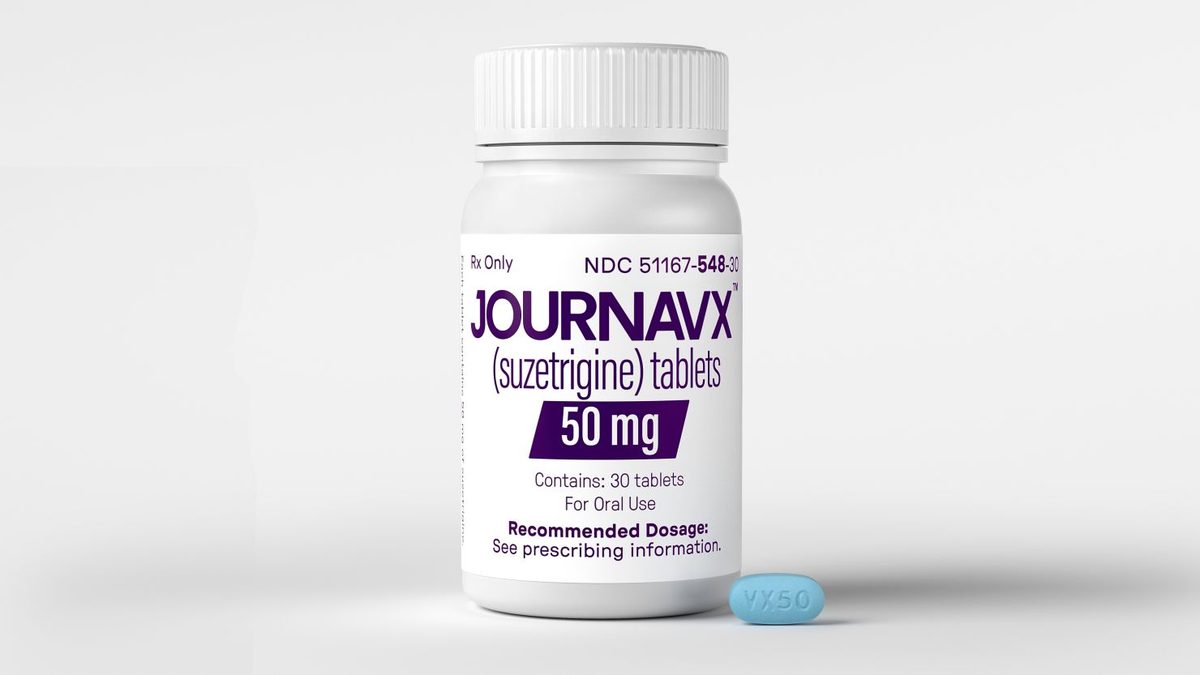
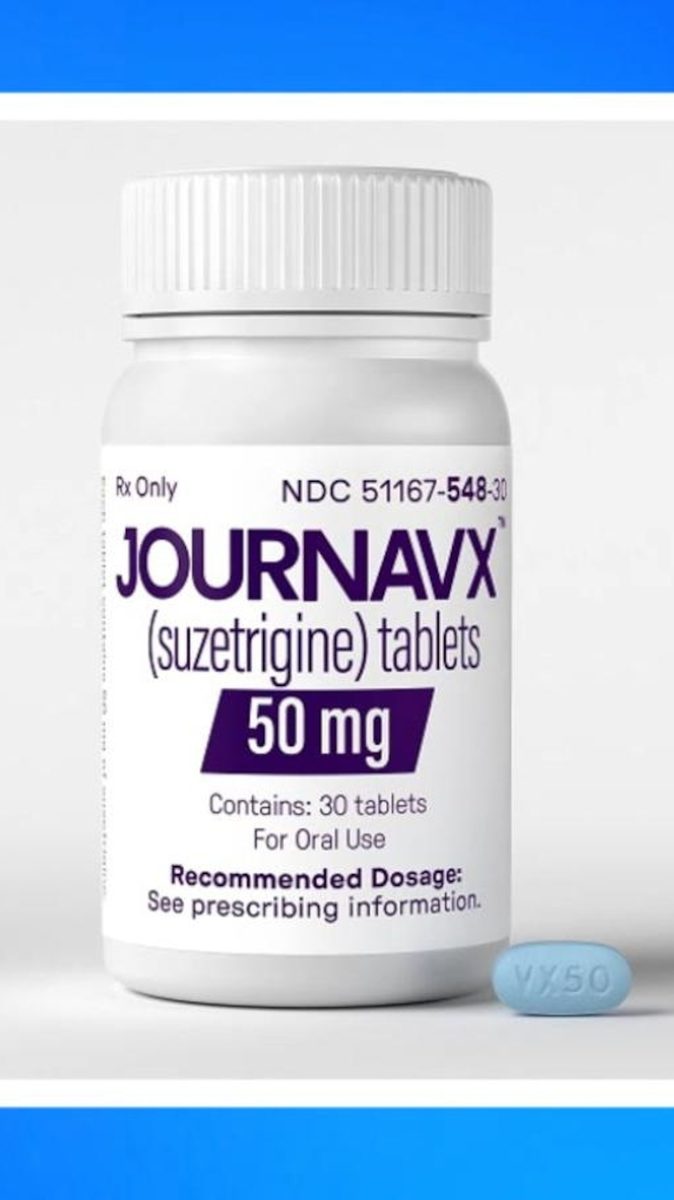
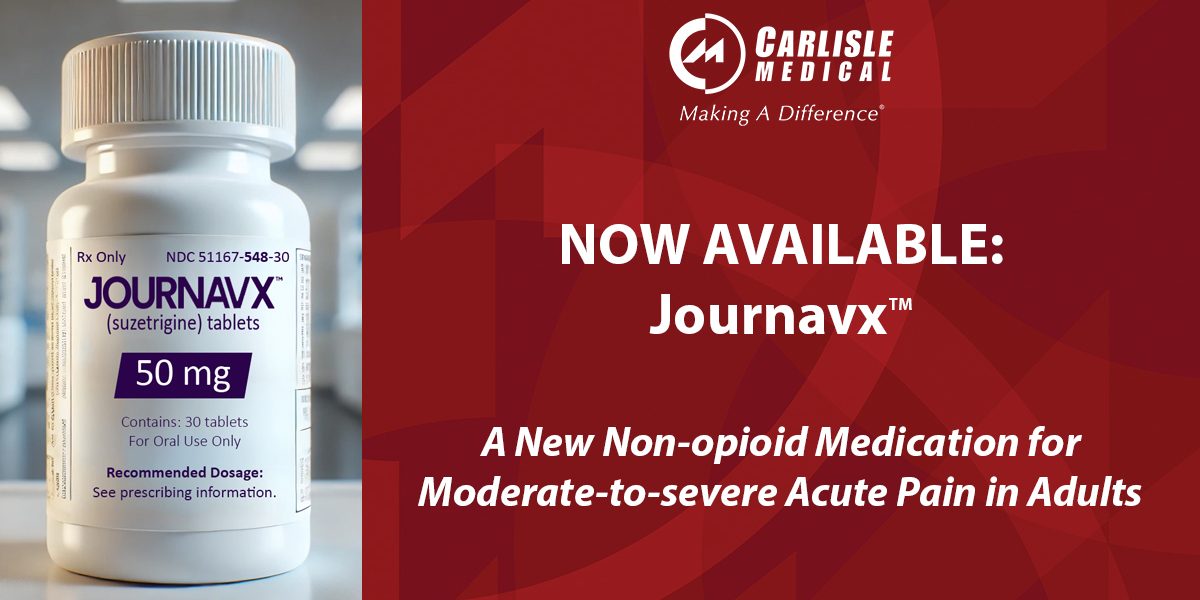
For more than 20 years, doctors facing patients in severe pain had two choices: prescribe opioids that risked addiction, or use weaker alternatives that often fell short. On January 30, 2025, the Food and Drug Administration (FDA) approved suzetrigine—brand name Journavx—ending that drought as the first entirely new class of pain medication since the late 1990s.

The drug works by blocking pain signals in peripheral nerves before they reach the brain, sidestepping the neural pathways that make opioids addictive. Clinical trials showed it matched hydrocodone-acetaminophen combinations for pain relief after surgery, but without the sedation, nausea, or abuse potential. With opioid overdoses still claiming roughly 80,000 American lives annually, suzetrigine represents a structural shift in how acute pain can be managed—though its $15 per tablet price and limitation to short-term use mean opioids remain far from obsolete.

Key Indicators

20+
Years since last new pain drug class
No fundamentally new acute pain medications had been approved since COX-2 inhibitors in the late 1990s
806,000
U.S. opioid deaths (1999-2023)
Cumulative overdose deaths during the opioid epidemic
31,000x
Selectivity for pain pathways
Suzetrigine targets Nav1.8 channels with minimal effect on other tissues
$15.50
Per-tablet list price
A 14-day course exceeds $400 without insurance or assistance

Interactive

Exploring all sides of a story is often best achieved with Play.

Ever wondered what historical figures would say about today's headlines?

Sign up to generate historical perspectives on this story.

Sign Up

Debate Arena

Two rounds, two personas, one winner. You set the crossfire.

People Involved

Reshma Kewalramani
Reshma Kewalramani
Chief Executive Officer, Vertex Pharmaceuticals (Leading Vertex through pain medication expansion)

Organizations Involved

Vertex Pharmaceuticals
Biotechnology Company
Status: Developer and manufacturer of suzetrigine

Boston-based biotech that pioneered cystic fibrosis treatments and now expands into pain management and gene therapy.

U.S. Food and Drug Administration
Federal Regulatory Agency
Status: Approved suzetrigine for moderate-to-severe acute pain

Federal agency responsible for approving new medications and ensuring drug safety in the United States.

Timeline

  1. FDA Approves Suzetrigine

    Regulatory

    FDA approved Journavx (suzetrigine) for moderate-to-severe acute pain in adults, marking the first new class of pain medication in more than two decades.

  2. Phase 3 Success Announced

    Clinical Trial

    Vertex reported positive Phase 3 results: VX-548 significantly reduced pain versus placebo in both abdominoplasty (48.4% improvement) and bunionectomy (29.3% improvement) trials.

  3. VX-548 Phase 2 Results Published

    Clinical Trial

    New England Journal of Medicine published Vertex's Phase 2 trial showing VX-548 provided significant pain relief compared to placebo in post-surgical patients.

  4. Opioid Crisis Declared National Emergency

    Government Action

    President Trump declared the opioid epidemic a national public health emergency, unlocking federal resources but not additional funding.

  5. Synthetic Opioid Wave Begins

    Public Health

    Fentanyl and other synthetic opioids began appearing in illicit drug supplies, eventually surpassing heroin and prescription opioids as the leading cause of overdose deaths.

  6. Purdue Pharma Pleads Guilty

    Legal

    Purdue paid $600 million in fines for misleading doctors and patients about OxyContin's addiction risks—one of the largest pharmaceutical settlements at the time.

  7. Vioxx Withdrawn

    Safety Event

    Merck voluntarily pulled rofecoxib (Vioxx) from the market after studies linked it to heart attacks and strokes, ending hopes that COX-2 inhibitors would replace opioids.

  8. Celebrex Approved

    Regulatory

    FDA approved celecoxib, the first COX-2 inhibitor, offering pain relief with fewer stomach ulcer risks than traditional anti-inflammatories.

  9. Nav1.8 Identified as Pain Target

    Scientific Discovery

    Researchers established that Nav1.8 sodium channels, located exclusively in peripheral pain neurons, play a critical role in transmitting pain signals.

  10. OxyContin Approved

    Regulatory

    FDA approved Purdue Pharma's extended-release oxycodone, marketed with claims of low addiction risk that later proved false. Prescriptions for less serious pain rose tenfold over seven years.

Scenarios

1

Suzetrigine Expands to Chronic Pain, Reshaping Pain Management

Discussed by: Vertex investor communications; pain medicine specialists in STAT News and Nature

If ongoing Phase 3 trials for diabetic neuropathy and lumbosacral radiculopathy succeed, suzetrigine could become a first-line treatment for chronic pain conditions currently managed with long-term opioids. This would represent a larger market than acute pain and could significantly reduce new opioid dependencies. Vertex is conducting trials comparing suzetrigine to pregabalin (Lyrica) with results expected by 2027.

2

Insurance Barriers Limit Real-World Impact

Discussed by: NPR health coverage; GoodRx analysis; pain patient advocates

At $15.50 per tablet without insurance—versus pennies for generic hydrocodone—suzetrigine may remain inaccessible to many patients. Insurers may require prior authorization, step therapy (trying cheaper drugs first), or limit coverage to specific procedures. If access remains narrow, opioid prescribing patterns may continue largely unchanged despite the new option.

3

Competitor Nav1.8 Inhibitors Enter Market

Discussed by: Nature Reviews Drug Discovery; industry analysts covering Pfizer, GSK pipeline

Multiple pharmaceutical companies—including Pfizer and GSK—are developing their own Nav1.8 inhibitors. Competition could drive prices down and expand patient access, or could fragment the market. The key question is whether suzetrigine maintains its first-mover advantage or becomes one of several similar options within five years.

4

Long-Term Safety Concerns Emerge

Discussed by: FDA safety reviews; pain medicine journals; historical COX-2 inhibitor analysis

New pain medications have historically revealed problems only after widespread use—as COX-2 inhibitors did with cardiovascular risks. While suzetrigine's peripheral mechanism should avoid opioid-like effects, unknown risks could emerge with broader use. Current approval is limited to acute pain, and any expansion would require continued monitoring.

Historical Context

COX-2 Inhibitor Rise and Fall (1998-2004)

December 1998 - September 2004

What Happened

Celebrex and Vioxx launched as revolutionary pain relievers that wouldn't cause stomach ulcers like traditional anti-inflammatories. Vioxx generated $2.5 billion annually at its peak. Then came the fall: Merck withdrew Vioxx in 2004 after studies linked it to heart attacks and strokes. Bextra followed in 2005. Only Celebrex remains, carrying cardiovascular warnings.

Outcome

Short Term

Drug withdrawals left patients with fewer non-opioid options, pushing many toward opioids for chronic pain.

Long Term

The FDA tightened cardiovascular safety requirements for pain medications. The failure of COX-2 inhibitors as opioid replacements contributed to continued opioid dominance for moderate-to-severe pain.

Why It's Relevant Today

Suzetrigine's peripheral mechanism—blocking pain signals before they reach the heart or brain—was designed specifically to avoid the cardiovascular risks that doomed COX-2 inhibitors. The 31,000-fold selectivity figure is meant to reassure regulators and doctors who remember Vioxx.

OxyContin Marketing Campaign (1996-2007)

December 1995 - May 2007

What Happened

Purdue Pharma launched OxyContin in 1996 with claims that extended-release formulation made it less addictive—later proven false. Sales representatives told doctors addiction risk was "less than one percent." Prescriptions for non-cancer pain rose from 670,000 in 1997 to 6.2 million by 2002. Purdue pleaded guilty to federal charges in 2007, paying $600 million.

Outcome

Short Term

OxyContin became the bestselling opioid in America, generating over $35 billion in total revenue for Purdue.

Long Term

The aggressive marketing created millions of opioid dependencies, seeding the overdose epidemic that has killed over 800,000 Americans since 1999.

Why It's Relevant Today

Suzetrigine enters a medical system still traumatized by opioid overprescription. The drug's value proposition—matching opioid-level pain relief without addiction potential—directly addresses the problem OxyContin created. But doctors burned by past promises may be skeptical of any new pain medication's claims.

Cystic Fibrosis Drug Breakthrough (2012)

January 2012

What Happened

Vertex's Kalydeco became the first drug to treat the underlying genetic cause of cystic fibrosis rather than just symptoms. Developed in partnership with the Cystic Fibrosis Foundation, it moved from synthesis to approval in just three years—versus the typical 15. Vertex later introduced Trikafta (2019), which helps 90% of CF patients.

Outcome

Short Term

Patients with specific CF mutations experienced dramatic improvements in lung function and quality of life.

Long Term

Vertex transformed from a struggling biotech into an $80 billion company, proving that targeting root mechanisms of disease could succeed commercially.

Why It's Relevant Today

Suzetrigine represents Vertex applying the same mechanistic approach to pain: rather than dampening pain perception in the brain (like opioids), it blocks pain signals at their source in peripheral nerves. The company's CF success gives credibility to its claims of scientific innovation.

10 Sources: