



Pull to refresh
Logo
Cape Verde's Neves wins second term, aligning presidency with ruling party

Cape Verde's Neves wins second term, aligning presidency with ruling party

Rule Changes

Incumbent takes 63.8% in the first round as the opposition concedes

Overview

Updated 1 hour ago

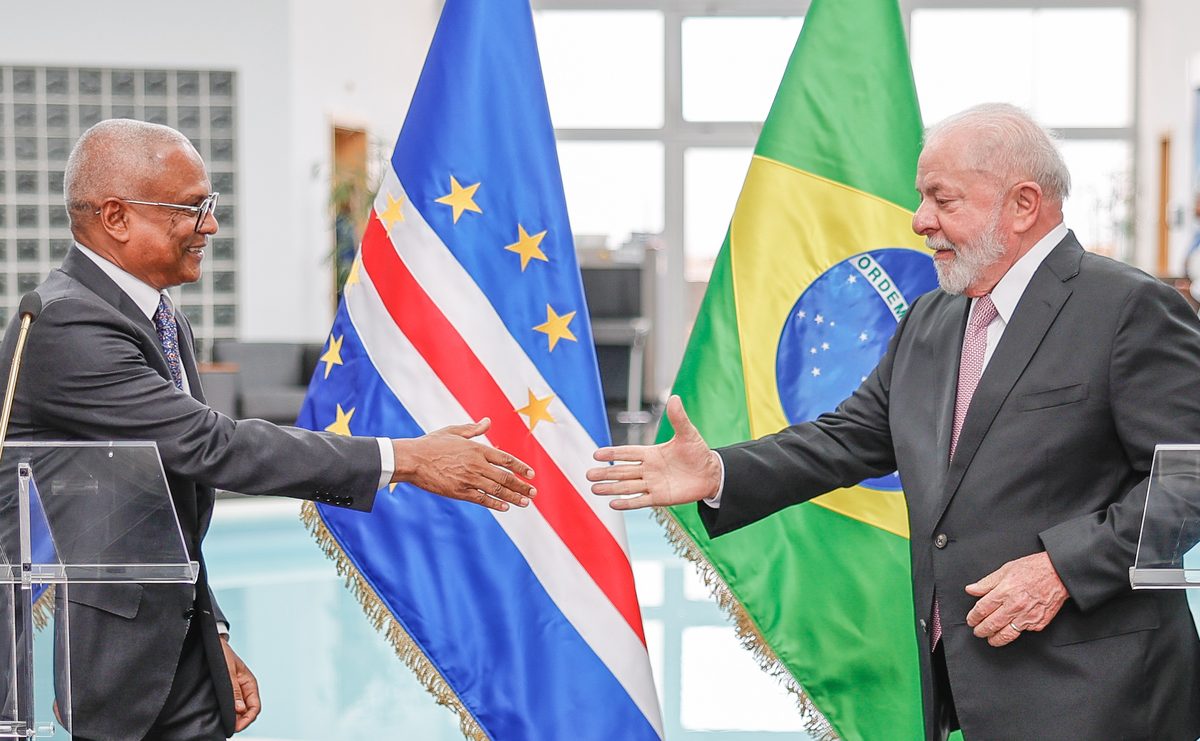
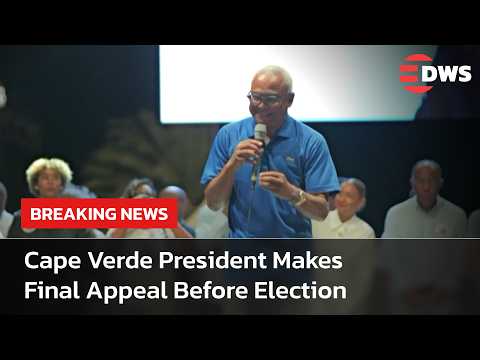
Cape Verde's president, José Maria Neves, won a second five-year term on Sunday, taking 63.8% of the vote with nearly all polling stations counted. His main challenger, former justice minister Joana Rosa, conceded that night.

The result puts the presidency in the same party's hands as the government for the first time since 2016. Neves is backed by the African Party for the Independence of Cape Verde, which won May's parliamentary election and ended a decade of Movement for Democracy rule.

Why it matters

Cape Verde keeps its reputation as one of Africa's steadiest democracies, but same-party rule changes how the president checks the government.

Questions about this story

Free account needed to ask — your question is kept and asked for you right after sign-up. Answers are public.

No questions yet — be the first to ask.

Key Indicators

63.8%
Neves's vote share
Provisional share with about 96.8% of polling tables counted.
31.6%
Rosa's vote share
The former justice minister ran with the opposition Movement for Democracy.
~32%
Reported turnout
Based on partial figures covering 403,849 registered voters.
6
Candidates
The other four candidates each received under 2%.

Voices

Curated perspectives — historical figures and your fellow readers.

Sign up to generate historical perspectives on this story.

People Involved

Organizations Involved

Timeline

1975 November 2026

5 events Latest: Today
Tap a bar to jump to that date
  1. Neves wins second term

    Today Election

    Provisional results give Neves 63.8%; Joana Rosa concedes.

  2. PAICV wins parliamentary election

    Election

    The PAICV ends ten years of Movement for Democracy government.

  3. Neves elected president

    Election

    Neves wins a first term outright with 51.75% of the vote.

  4. Multiparty democracy introduced

    History

    Cape Verde begins more than three decades of multiparty competition.

  5. Independence from Portugal

    History

    Cape Verde becomes independent after centuries of Portuguese rule.

Scenarios

1

Neves and the PAICV government coordinate without a major constitutional clash

Likely Resolves by Nov 15, 2027

Discussed by: Analysts cited in The Conversation, including José Santana Pereira

With the presidency and the government in the same party, the two offices cooperate on legislation and budgets, and Neves avoids using his veto against the PAICV. This is the pattern most incumbent re-elections have produced, and it would consolidate the party's control ahead of the next electoral cycle.

2

Neves asserts independence and vetoes PAICV legislation

Possible Resolves by Nov 15, 2027

Discussed by: Constitutional analysts quoted in The Conversation

The presidency carries veto power and the role of constitutional guardian. Neves could use those tools to distance himself from the government, reviving the checks that mattered when the presidency and government were held by rival parties. A veto would test how much the same-party alignment actually changes governance.

3

Final results confirm the provisional count without a challenge

Likely Resolves by End of 2026

Discussed by: National Electoral Commission and international observers

The commission completes counting and verification, and the official final tally matches the provisional 63.8% for Neves. Rosa's concession and the absence of a runoff make a disputed outcome unlikely, though the final announcement is still pending.

Historical Context

3 moments from history that rhyme with this story — and how they unfolded.

2011

Cape Verde's 2011 presidential election

Voters elected a president backed by the opposition while the PAICV held the government, producing divided leadership. It was one of the few presidential contests where the governing party's candidate did not win.

Then

The presidency and government were held by rival parties.

Now

The arrangement became a reference point for how Cape Verde handles divided leadership.

Why this matters now

It shows the alternative to this year's same-party result, and what cohabitation looked like in practice.

2021

Cape Verde's 2021 presidential election

Neves won the presidency outright with 51.75% while the MpD held the government. He then worked with a prime minister from the opposing party until the new government formed in 2026.

Then

Relations were generally cooperative rather than confrontational.

Now

The period demonstrated that divided leadership need not produce gridlock.

Why this matters now

Neves's re-election ends that divided arrangement and reverses the 2021 alignment.

1996-2016

Incumbent second-term precedent (1996-2016)

Every incumbent president who sought a second term won re-election: António Mascarenhas Monteiro in 1996, Pedro Pires in 2006 and Jorge Carlos Fonseca in 2016.

Then

Incumbency proved a strong advantage in Cape Verdean presidential races.

Now

The pattern held until this election, which continued it.

Why this matters now

Neves's win fits a three-decade pattern of sitting presidents securing second terms.

Sources

(7)