

Pull to refresh
Logo
New wild cat species identified in Bolivia, first in over a century

New wild cat species identified in Bolivia, first in over a century

New Capabilities

Tiny spotted Tilcayo tiger cat was long mistaken for its relatives

Yesterday: Study identifies new cat species

Overview

Updated 2 hours ago

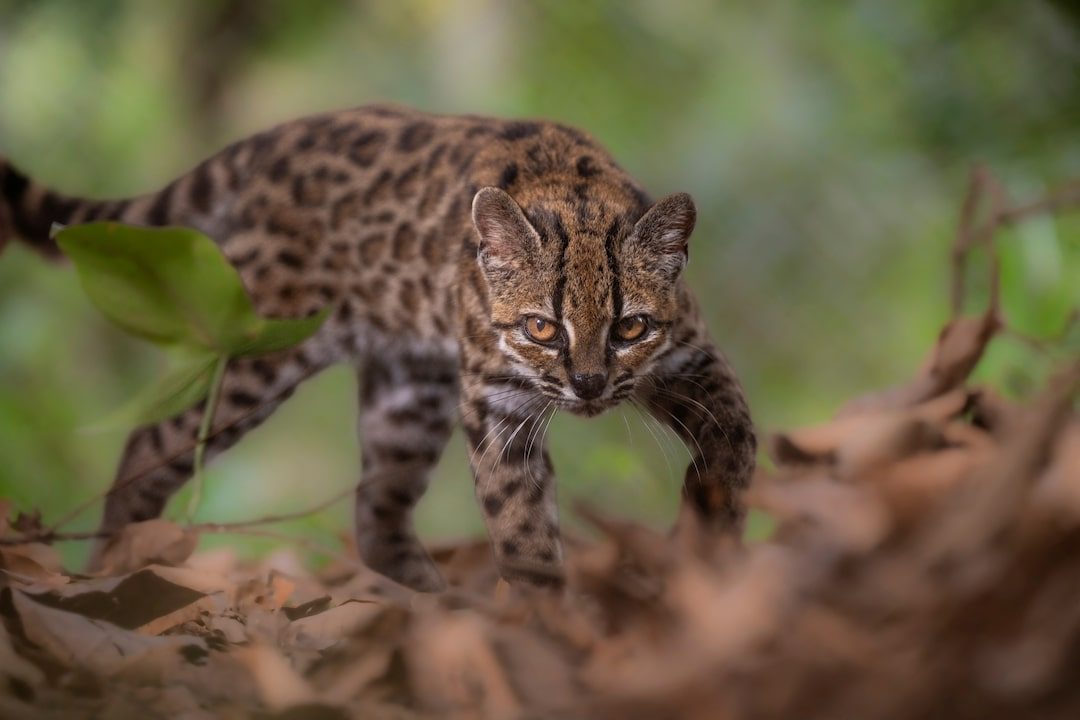
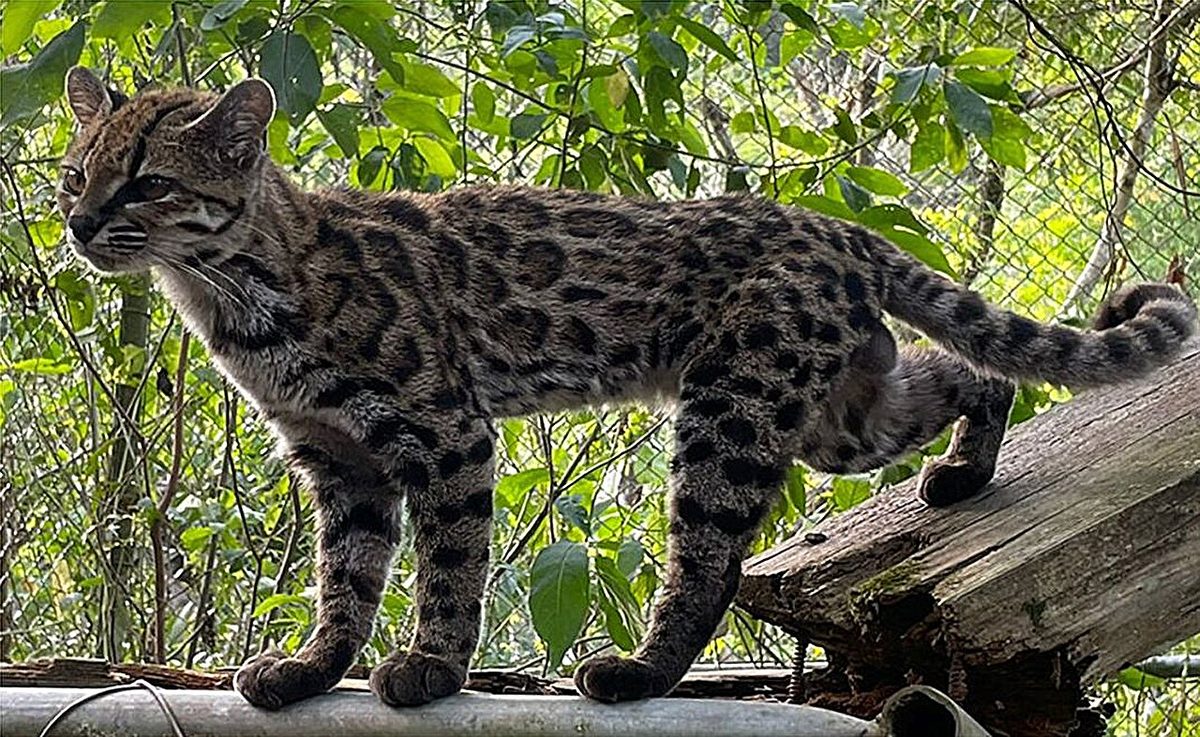
A tiny spotted cat from Bolivia's cloud forests has been identified as a new species, the first new living cat species discovered in over a century. The Tilcayo tiger cat (Leopardus tilcayo) is smaller than a house cat and was long mistaken for its relatives.

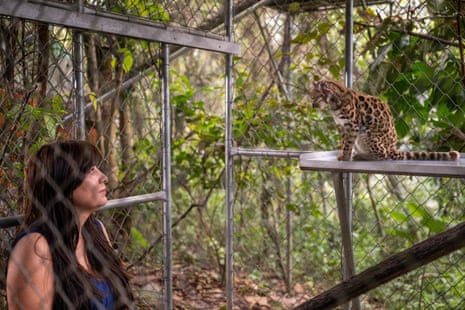
Genetic analysis of 38 cat samples across South and Central America revealed that 'tiger cats' are actually five distinct species, not three. Only two living Tilcayo individuals are known: one in a wildlife sanctuary, one released into the wild. The species faces threats from deforestation and habitat loss.

Why it matters

A newly discovered cat species may face extinction before scientists can study it, and conservation must now cover five tiger cat lineages, not three.

Questions about this story

Free account needed to ask — your question is kept and asked for you right after sign-up. Answers are public.

No questions yet — be the first to ask.

Key Indicators

1
New cat species identified
Leopardus tilcayo, first new living cat species since 1923
2
Known living Tilcayo individuals
One in sanctuary, one released into the wild
5
Tiger cat species now recognized
Up from 3 previously recognized species
38
Cat genomes analyzed
Samples from 8 countries across South and Central America
1.4M
Years since Tilcayo diverged
From other tiger cat lineages

Voices

Curated perspectives — historical figures and your fellow readers.

Ever wondered what historical figures would say about today's headlines?

Sign up to generate historical perspectives on this story.

People Involved

Organizations Involved

Timeline

2017 September 2026

3 events Latest: Yesterday
  1. Study identifies new cat species

    Latest Publication

    Current Biology publishes research naming Leopardus tilcayo, the first new living cat species since 1923.

  2. Tigrino arrives at Senda Verde sanctuary

    Discovery

    Family turned over the cat they'd kept as a pet after realizing it was wild.

Scenarios

1

More Tilcayo cats found in Bolivian cloud forests

Possible Resolves by End of 2027

Discussed by: Researchers including Paola Nogales-Ascarrunz and Jonas Lescroart

Camera trap surveys in the Yungas cloud forest could reveal more Tilcayo individuals. The researchers have shared their findings with the IUCN and plan to expand field surveys. Finding more individuals would help estimate population size and range.

2

IUCN upgrades Tilcayo to endangered status

Likely Resolves by Q2 2027

Discussed by: Jonas Lescroart, co-author of the study

The IUCN Red List currently treats tiger cats as two 'vulnerable' species. The upcoming review will assess the five lineages separately. Tilcayo could be listed as endangered given its tiny known population and habitat threats.

3

Tilcayo found outside Bolivia

Uncertain Resolves by End of 2028

Discussed by: Researchers involved in the study

The species has only been detected in Bolivia, but the Yungas cloud forest extends into Peru. Surveys in neighboring regions could reveal a wider range. This would change conservation planning.

Historical Context

3 moments from history that rhyme with this story — and how they unfolded.

1923

Uruguayan pampas cat (1923)

Leopardus fasciatus was described from Uruguay, the last new living cat species named before the Tilcayo.

Then

Expanded the known diversity of South American small cats.

Now

Set the record for the longest gap between new cat species discoveries.

Why this matters now

Directly frames the significance of the Tilcayo discovery, the first new living cat species in over a century.

March 2007

Sunda clouded leopard (2007)

Genetic analysis showed the clouded leopards of Borneo and Sumatra were a distinct species from those on the mainland, diverging over a million years ago.

Then

The Sunda clouded leopard was recognized as vulnerable, prompting conservation attention.

Now

Demonstrated that genetic analysis could reveal cryptic cat species that look identical.

Why this matters now

Showed that what looks like one cat species can actually be several, a pattern now confirmed in tiger cats.

August 2013

Olinguito discovery (2013)

Researchers identified the olinguito, a small raccoon relative, as a new species in the cloud forests of Colombia and Ecuador. It was the first new carnivore species discovered in the Americas in 35 years.

Then

The discovery prompted conservation assessments and habitat protection efforts in the Andes.

Now

Showed that cloud forest biodiversity was underappreciated and that museum specimens could reveal new species.

Why this matters now

Like the Tilcayo, the olinguito was a small mammal in Andean cloud forests that went unnoticed despite being in plain sight.

Sources

(10)