
Pull to refresh
Logo
Construction begins on DeKalb and Lafayette bus and bike redesign in Brooklyn

Construction begins on DeKalb and Lafayette bus and bike redesign in Brooklyn

Built World New York, NY local

2.7 miles of bus and protected bike lanes aim to speed the B38 and cut injuries on two Brooklyn corridors.

Overview

Updated 1 hour ago

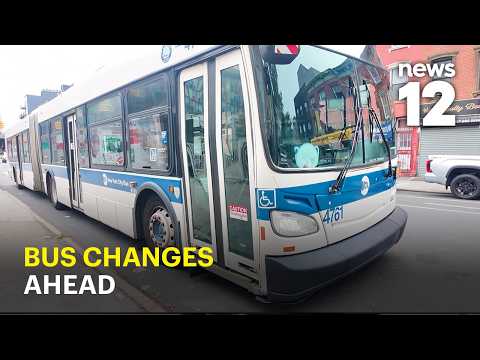
The B38 bus moves as slowly as 4 miles per hour at peak on DeKalb and Lafayette Avenues. On November 5, Mayor Zohran Mamdani and the city Department of Transportation announced construction on 2.7 miles of bus and protected bike lanes along the two Brooklyn corridors.

The redesign covers DeKalb Avenue from Broadway to Flatbush Avenue and Lafayette Avenue from Ashland Place to Patchen Avenue. It is meant to speed 18,000 daily B38 riders and address a corridor where crashes have injured 841 people since 2021.

Why it matters

For 18,000 daily B38 riders, the redesign tests whether bus lanes and cameras can turn a 4 mph crawl into a reliable commute.

Last Monday's email for New York, NY

Sent Nov 2. It carried:

Get next Monday's: one short email a week. Free. Unsubscribe in one click.

Questions about this story

Free account needed to ask — your question is kept and asked for you right after sign-up. Answers are public.

No questions yet — be the first to ask.

Key Indicators

2.7
Miles of new bus and bike lanes
Offset and curbside bus lanes plus protected bike lanes on two corridors.
18,000
Daily B38 riders
Riders who use the route between Downtown Brooklyn and Ridgewood, Queens.
841
Injuries on the two avenues since 2021
DOT data counts 47 severe injuries and one death.
4
Peak bus speed in miles per hour
MTA data shows B38 buses crawl at 4 mph during rush hours.
80%
Residents near B38 who commute by transit, bike, or foot
Share within a quarter-mile of the route.
62%
Households near B38 without a car
Most households along the corridor do not own a vehicle.

Voices

Curated perspectives — historical figures and your fellow readers.

Sign up to generate historical perspectives on this story.

People Involved

Organizations Involved

Timeline

July 2026 November 2026

4 events Latest: Today
Tap a bar to jump to that date
  1. Construction underway on DeKalb and Lafayette redesign

    Today Construction

    YIMBY reports work has begun on the paired Brooklyn corridors.

  2. Mayor announces start of construction

    Construction

    Mamdani and DOT Commissioner Flynn say work is underway on 2.7 miles of bus and bike lanes.

  3. DOT presents DeKalb and Lafayette design to Community Board 3

    Planning

    The plan details offset and curbside bus lanes, protected bike lanes, and camera enforcement.

  4. City and MTA unveil Next Stop bus plan

    Policy

    Mayor Mamdani and Governor Hochul announce a plan to speed 175 bus routes on 50 priority corridors.

Scenarios

1

Lanes open on schedule by end of fall 2026

Likely Resolves by Dec 21, 2026

Discussed by: NYC DOT and Mayor's Office

DOT says installation is slated for completion this fall. If weather and repaving cooperate, crews finish lane markings and barriers by December, and monitoring continues through winter.

2

Construction slips into spring 2027

Possible Resolves by Jun 20, 2027

Discussed by: NYC DOT monitoring schedule and project documents

The project has a winter monitoring phase and additional treatments under study for spring 2027. A delay in repaving or barrier installation could push final lane work past the fall target.

3

B38 peak speeds rise at least 20% on the corridor

Uncertain Resolves by Nov 6, 2027

Discussed by: MTA and NYC DOT

The Next Stop plan aims to boost bus speeds by at least 20% on priority corridors. Cameras and offset lanes are the main tools. MTA data will show whether the B38 improves from its 4 mph peak crawl.

Historical Context

2 moments from history that rhyme with this story — and how they unfolded.

September 2026

Tremont Avenue busway (2026)

NYC DOT completed the Bronx's first busway on Tremont Avenue, part of the Next Stop plan. The project added bus lanes and camera enforcement to speed service.

Then

The city marked it as a model for other corridors.

Now

It showed the Mamdani administration could finish a bus priority project within months.

Why this matters now

DeKalb and Lafayette use the same mix of bus lanes and camera enforcement, and face the same test of whether construction turns into faster rides.

July 2026

Madison and Lexington Avenue bus lanes (2026)

Mayor Mamdani completed bus lane projects on Madison and Lexington Avenues in Manhattan. The work was part of the same Next Stop push.

Then

The city cited faster commutes.

Now

The projects expanded the template for curbside bus lanes and camera enforcement.

Why this matters now

They are the closest recent examples of the city's bus lane playbook now reaching Brooklyn.

Sources

(4)