
Pull to refresh
Logo
Landmarks Preservation Commission approves Central Park bridle path reconnection at Pinebank Arch

Landmarks Preservation Commission approves Central Park bridle path reconnection at Pinebank Arch

Built World New York, NY local

The $1 million to $1.5 million project would replace a dead end with a connected path and reopen views of the 1861 cast-iron bridge.

Overview

Updated 1 hour ago

For years, runners and walkers on Central Park's Bridle Path have hit a dead end beneath Pinebank Arch. On November 9, 2026, New York City's Landmarks Preservation Commission approved a Central Park Conservancy plan to replace that cul-de-sac with a new path connecting to the park's broader circulation network.

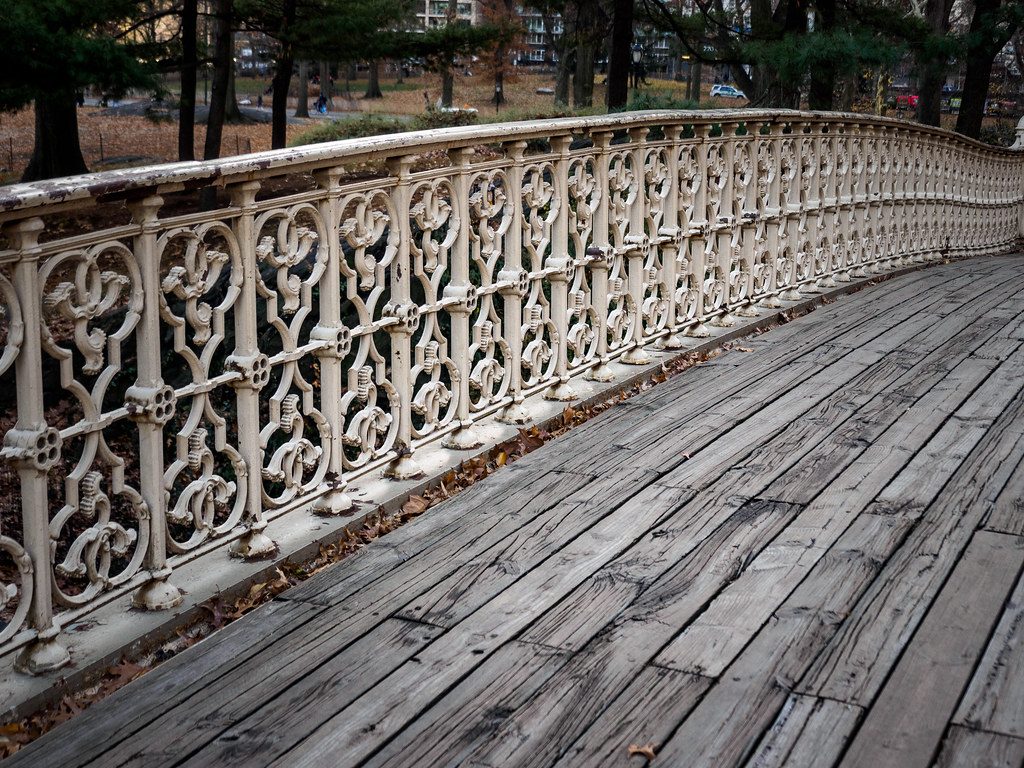
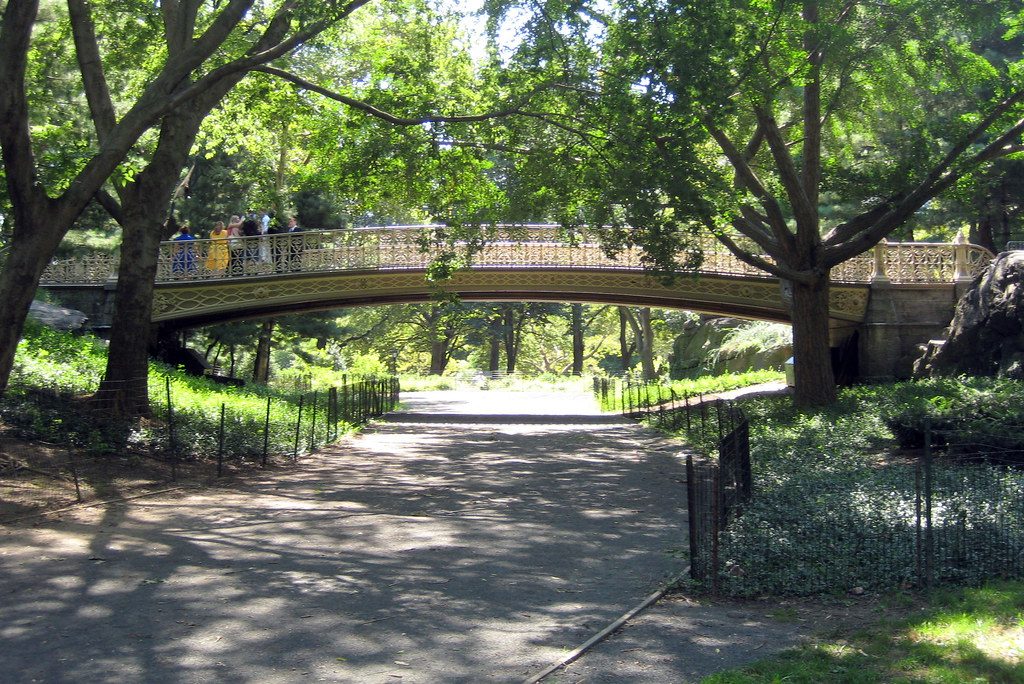
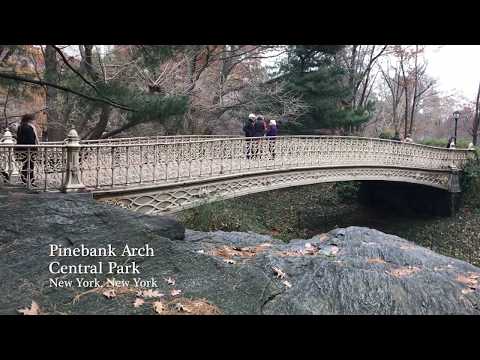
The $1 million to $1.5 million project is paid for with private funding. It adds benches, boulders, plantings and replacement lighting, and removes shrubs to reopen views of the 1861 bridge. Construction is scheduled to start in spring 2027 and finish in spring 2028.

Why it matters

For park users, the approval replaces a confusing dead end with a connected route and restores views of an 1861 bridge.

Last Monday's email for New York, NY

Sent Nov 9. It carried:

Get next Monday's: one short email a week. Free. Unsubscribe in one click.

Questions about this story

Free account needed to ask — your question is kept and asked for you right after sign-up. Answers are public.

No questions yet — be the first to ask.

Key Indicators

$1M–$1.5M
Approved project budget
Privately funded budget range for circulation and site work around Pinebank Arch.
4
Cast-iron pedestrian bridges over the Bridle Path
Pinebank Arch is one of four ornamental cast-iron bridges carrying pedestrians over the Bridle Path.
Spring 2027
Scheduled construction start
The Central Park Conservancy expects work to begin in spring 2027.
Spring 2028
Expected completion
Projected finish date for the path reconnection and site work.

Voices

Curated perspectives — historical figures and your fellow readers.

Sign up to generate historical perspectives on this story.

People Involved

Organizations Involved

Timeline

1858 2028

7 events Latest: Today
Tap a bar to jump to that date
  1. Project expected to finish

    Upcoming Completion

    The Conservancy expects completion in spring 2028.

  2. Construction scheduled to begin

    Upcoming Construction

    Work is slated to start in spring 2027.

  3. Landmarks commission approves reconnection plan

    Today Approval

    The Landmarks Preservation Commission signs off on circulation and site improvements.

  4. Cul-de-sac reconstruction leaves dead end

    History

    A reconstruction creates a landscaped cul-de-sac beneath Pinebank Arch.

  5. Bridle Path's southern end cut off

    History

    Heckscher Playground expansion truncates the path before Grand Army Plaza.

  6. Pinebank Arch built over the Bridle Path

    History

    J.B. and W.W. Cornell Ironworks erects the cast-iron bridge.

  7. Greensward Plan lays out separated park paths

    History

    Olmsted and Vaux's plan separates routes for pedestrians, equestrians and carriages.

Scenarios

1

Construction begins at Pinebank Arch in spring 2027

Likely Resolves by Q2 2027

Discussed by: Central Park Conservancy schedule and West Side Rag reporting

The Conservancy has told community board attendees and the Landmarks Preservation Commission that work is slated for spring 2027, with private funding identified. If permits and procurement stay on track, crews mobilize after winter.

2

Reconnected path opens by spring 2028

Likely Resolves by Q2 2028

Discussed by: Central Park Conservancy project schedule

The Conservancy projects a spring 2028 finish. Completion would make the new asphalt path, seating and reopened arch views available to park users.

3

Construction slips beyond spring 2028

Unlikely Resolves by Q2 2028

Discussed by: No named forecaster; this is the downside case to the Conservancy's spring 2028 target

A two-year construction window leaves room for weather or procurement problems to push completion. A slip would keep the dead end in place past the Conservancy's target.

Historical Context

3 moments from history that rhyme with this story — and how they unfolded.

20th century

Bridle Path truncation (20th century)

As Central Park Zoo and Heckscher Playground expanded, the Bridle Path's southern end was cut back. The path that once ran to Grand Army Plaza stopped short of its original route.

Then

Riders and walkers lost a through route on the park's southwest side.

Now

The dead end persisted for decades and became a fixed feature of the path.

Why this matters now

The current project addresses a break in the park's original separated circulation system.

2006

Cul-de-sac reconstruction (2006)

A reconstruction under Pinebank Arch turned the path terminus into a landscaped cul-de-sac. The bridge became mostly ornamental as the path no longer connected.

Then

The dead end became a designed feature rather than an unfinished path.

Now

It took another two decades for a reconnection plan to reach landmarks approval.

Why this matters now

The approved plan reverses that 2006 design by cutting the cul-de-sac and adding a through path.

1858

Greensward Plan (1858)

Frederick Law Olmsted and Calvert Vaux designed Central Park with separate routes for pedestrians, equestrians and carriages. Bridges and arches let those routes cross without conflict.

Then

The plan shaped Central Park's circulation system.

Now

Pinebank Arch, built in 1861, carried pedestrians over the Bridle Path.

Why this matters now

Reconnecting the path restores a piece of that original circulation idea.

Sources

(3)