

Pull to refresh
Logo
New York extends free menstrual products to private college students

New York extends free menstrual products to private college students

Rule Changes New York, NY local

Gov. Kathy Hochul signed a law requiring private universities to stock free products in common bathrooms

Overview

Updated 49 minutes ago

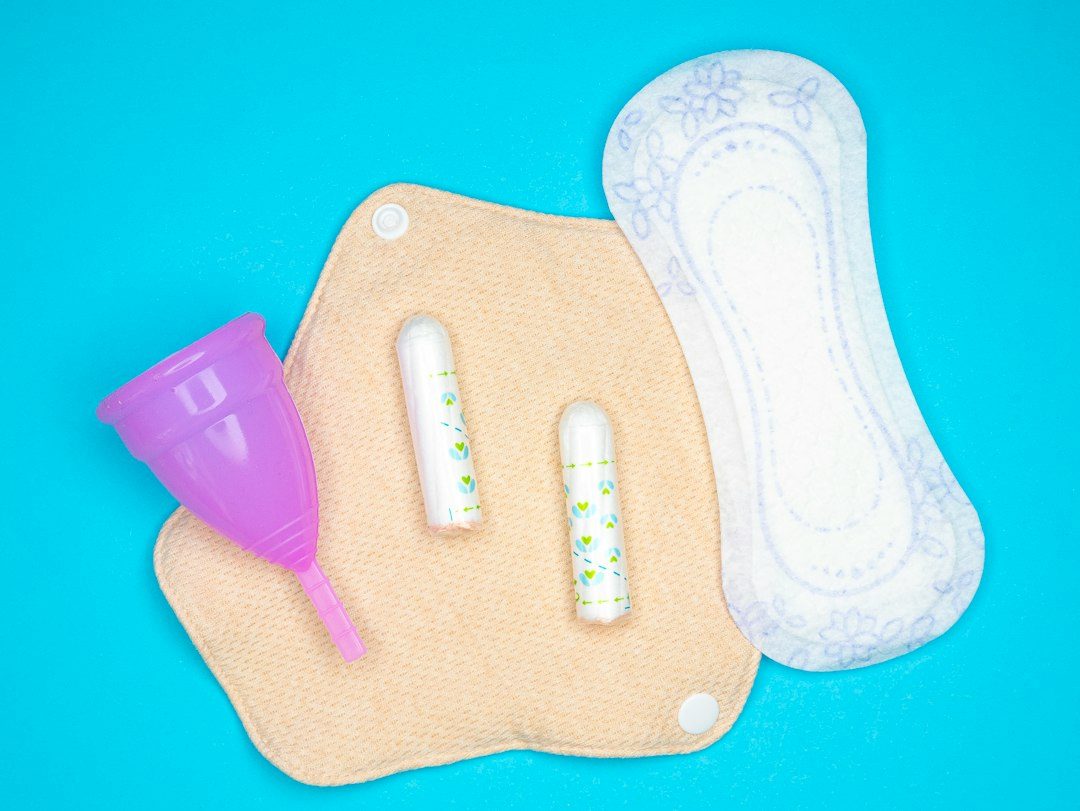
New York will require private colleges and universities to provide free menstrual products in commonly used bathrooms. Gov. Kathy Hochul signed the legislation last week, extending a policy that began in New York City schools in 2016.

The law affects students at private institutions who may not have had access to free products. It comes as menstrual equity laws gain traction, with New York City first requiring products in schools and later expanding to grade 4 and menstrual cups.

Why it matters

Students at private colleges in New York will now find free pads and tampons in campus bathrooms, removing a cost barrier that can disrupt class attendance.

Last Monday's email for New York, NY

Sent Nov 23. It carried:

Get next Monday's: one short email a week. Free. Unsubscribe in one click.

Questions about this story

Free account needed to ask — your question is kept and asked for you right after sign-up. Answers are public.

No questions yet — be the first to ask.

Voices

Curated perspectives — historical figures and your fellow readers.

Sign up to generate historical perspectives on this story.

People Involved

Organizations Involved

Timeline

2016 November 2026

4 events Latest: Today
Tap a bar to jump to that date
  1. Report: Hochul signs private college menstrual product law

    Today Media

    silive.com reports Gov. Hochul signed the legislation last week, requiring free products in private college bathrooms.

  2. Companion bill to A02428 passes

    Legislation

    The companion bill to Assembly bill A02428 passes, sending it to the governor.

  3. NYC Council expands menstrual equity package

    Legislation

    Council adds menstrual cups and lowers age to grade 4 for school products.

  4. New York City requires free menstrual products in public schools

    Legislation

    NYC becomes first U.S. locality to mandate free menstrual products in school bathrooms.

Scenarios

1

Private colleges comply without major issues

Likely Resolves by End of 2027

Discussed by: Not yet discussed by analysts; based on implementation of similar laws

The law takes effect and private colleges stock free products in common bathrooms, with few reports of shortages or noncompliance.

2

Implementation delays or funding gaps

Possible Resolves by End of 2027

Discussed by: Advocates and college administrators

Some private colleges delay compliance or report funding shortfalls, leading to uneven access across campuses.

3

Other states adopt similar laws

Possible Resolves by End of 2028

Discussed by: Menstrual equity advocates

New York's expansion to private colleges spurs copycat legislation in other states.

Historical Context

2 moments from history that rhyme with this story — and how they unfolded.

2016

New York City Menstrual Equity in Schools (2016)

New York City passed the first U.S. law requiring free menstrual products in public school bathrooms. The law initially covered students in grades 6-12.

Then

The city began distributing products, but early implementation showed uneven awareness and distribution.

Now

The law became a model for other cities and states, and NYC later expanded it to grade 4 and added menstrual cups.

Why this matters now

The new state law extends the same principle to private colleges, building on NYC's decade-long effort.

2021

Scotland's Period Products Act (2021)

Scotland passed a law making period products free for anyone who needs them, with local authorities and education providers required to make them available.

Then

The law required councils and schools to plan for free distribution by 2022.

Now

Scotland became the first country to mandate free period products, setting an international precedent.

Why this matters now

It shows how menstrual equity laws can scale from schools to entire populations, and the logistical challenges involved.

Sources

(4)