


Pull to refresh
Logo
New Zealand inflation eases to 3.7% as fuel dip masks broader pressure

New Zealand inflation eases to 3.7% as fuel dip masks broader pressure

Rule Changes

Reserve Bank meets October 28 with markets betting on a hike to 3%

Yesterday: Q3 CPI released: annual inflation eases to 3.7%

Overview

Updated 2 hours ago

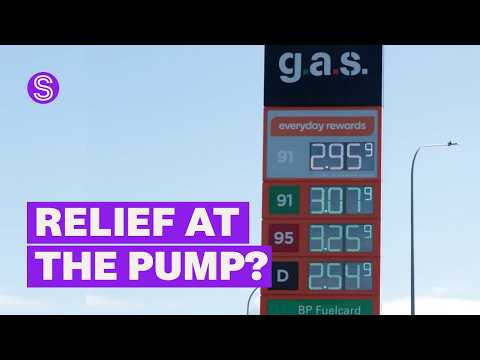
New Zealand's annual inflation slowed to 3.7% in the September quarter, down from a two-year high of 4.1% in June. The relief came almost entirely from petrol: pump prices fell 6.5% in the quarter after surging 20.1% in the previous three months.

That lull is already over: renewed Middle East hostilities have pushed pump prices back to records. New Zealand imports all its refined fuel since its only refinery shut in 2022, so pump prices track global crude directly. Economists expect annual inflation past 4.5% by December, and the Reserve Bank meets October 28 with markets betting on a hike to 3%.

Why it matters

New Zealand households face record fuel prices and higher mortgage costs as the Reserve Bank fights inflation stuck above its 1-3% target.

Questions about this story

Free account needed to ask — your question is kept and asked for you right after sign-up. Answers are public.

No questions yet — be the first to ask.

Key Indicators

3.7%
Annual CPI inflation, September 2026 quarter
Down from 4.1% in June; above the RBNZ's 3% target ceiling.
0.7%
Quarterly CPI change
Below the 0.8% economists expected.
19.1%
Petrol price increase over 12 months
Largest single contributor to annual inflation, accounting for about 17% of the 3.7% rate.
2.75%
Official cash rate
Markets expect a 25 basis point hike to 3.0% at the October 28 review.
4.7%
BNZ's December quarter inflation forecast
Stephen Toplis projects 4.7%; broader consensus ranges 4.5-4.7%.

Voices

Curated perspectives — historical figures and your fellow readers.

Ever wondered what historical figures would say about today's headlines?

Sign up to generate historical perspectives on this story.

People Involved

Organizations Involved

Timeline

July 2026 October 2026

4 events Latest: Yesterday
Tap a bar to jump to that date
  1. Reserve Bank monetary policy review scheduled

    Upcoming Policy Decision

    Markets widely expect a 25 basis point hike to 3.0% despite the September dip, with a 50% chance of another hike in December.

  2. Q3 CPI released: annual inflation eases to 3.7%

    Latest Data Release

    Stats NZ reports 0.7% quarterly rise, below the 0.8% forecast. Annual rate eases from 4.1% but stays above the RBNZ target band.

  3. Petrol prices fall 6.5% in September quarter

    Data Point

    A lull in Middle East hostilities and improved global supplies ease pump prices after the June surge. International airfares jump 14.3%, the largest quarterly rise since December 2022.

  4. June quarter inflation hits 4.1%, a two-year high

    Data Release

    Petrol jumped 20.1% in the quarter, helping push annual inflation to its highest level in two years.

Scenarios

1

Reserve Bank raises cash rate to 3%

Likely Resolves by Oct 28, 2026

Discussed by: Market pricing and most NZ forecasters, including ASB and BNZ

Markets and most economists expect the RBNZ to raise the OCR by 25 basis points at its October 28 review, after the September inflation dip. ASB's Mark Smith says the central bank will likely revise up its near-term inflation forecast, justifying the hike. The September slowdown came from a reversible fuel-price lull, not durable disinflation.

2

Fourth-quarter inflation tops 4.5%

Likely Resolves by Jan 31, 2027

Discussed by: Stephen Toplis of BNZ (4.7%) and broader economist consensus

Renewed Middle East hostilities have pushed pump prices back above April highs, and a kiwi dollar about 4% below RBNZ assumptions makes imported fuel costlier in local currency. Economists project annual inflation between 4.5% and 4.7% for December. If realized, inflation stays above the 3% target ceiling into 2027.

3

Reserve Bank holds cash rate at 2.75%

Possible Resolves by Oct 28, 2026

Discussed by: RBNZ's own September signal that a pause was possible

If the RBNZ treats the September slowdown as evidence that price pressures are cooling and wants more data before acting, it could hold the cash rate. Most forecasters consider this unlikely, since core inflation measures sit above 3% and oil is rebounding. A hold would signal the bank prioritizes growth support over inflation control.

Historical Context

2 moments from history that rhyme with this story — and how they unfolded.

2008

2008 global oil price spike (July 2008)

Crude oil surged past $140 a barrel in mid-2008 as Middle East tensions and tight supply gripped markets. Pump prices hit records in oil-importing countries, feeding headline inflation across the developed world.

Then

The global financial crisis destroyed demand within months; oil fell below $40 by year-end and inflation reversed sharply.

Now

Showed how fast fuel shocks move headline inflation, and how quickly they unwind when demand collapses.

Why this matters now

New Zealand imports all its refined fuel since its only refinery shut in 2022, so pump prices track global crude directly. Today's oil rebound threatens the same transmission into CPI.

2021-2023

New Zealand inflation surge and RBNZ tightening (2021-2023)

After pandemic stimulus, NZ inflation peaked above 7% in 2022, a three-decade high, driven partly by energy and food costs following Russia's invasion of Ukraine. The RBNZ raised the official cash rate from 0.25% to 5.5% in about 18 months.

Then

Higher borrowing costs cooled demand, bringing inflation back to the 1-3% target band by late 2024.

Now

Established the RBNZ's playbook: aggressive, front-loaded rate hikes when inflation looks persistent.

Why this matters now

Today's 3.7% inflation and expected oil-driven rebound test whether the RBNZ repeats that playbook or tolerates above-target inflation to protect growth.

Sources

(5)