

Pull to refresh
Logo
FDA approves once-weekly Sogroya for Turner syndrome

FDA approves once-weekly Sogroya for Turner syndrome

New Capabilities

Novo's long-acting growth hormone adds a fifth pediatric use, with trial data showing slightly slower growth than daily shots

Overview

Updated 39 minutes ago

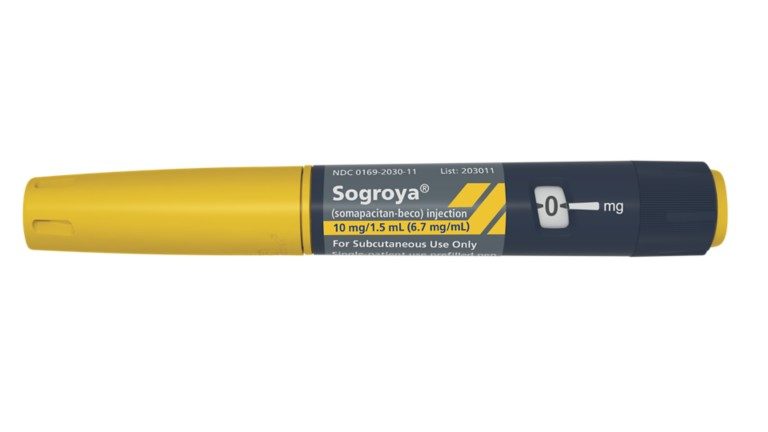
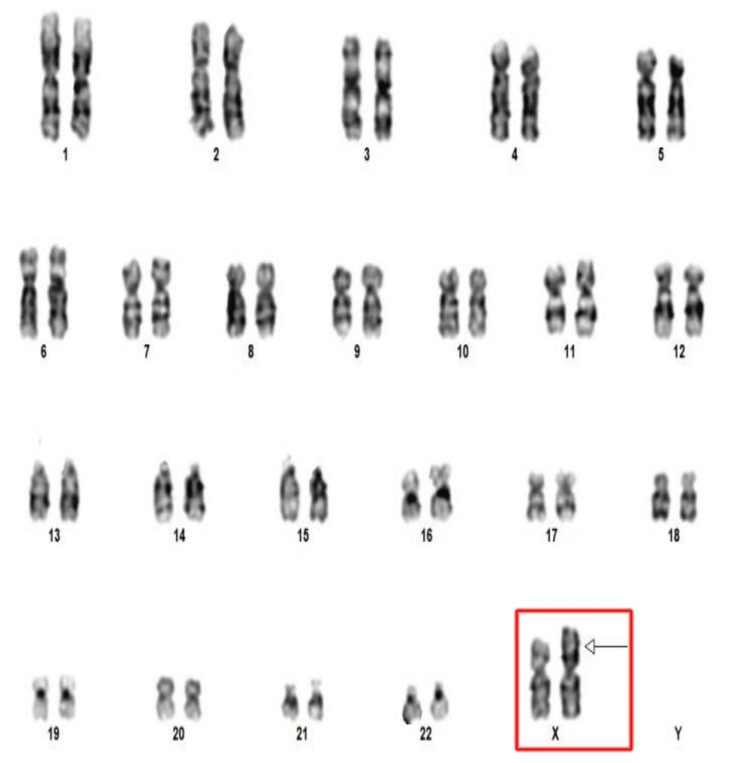
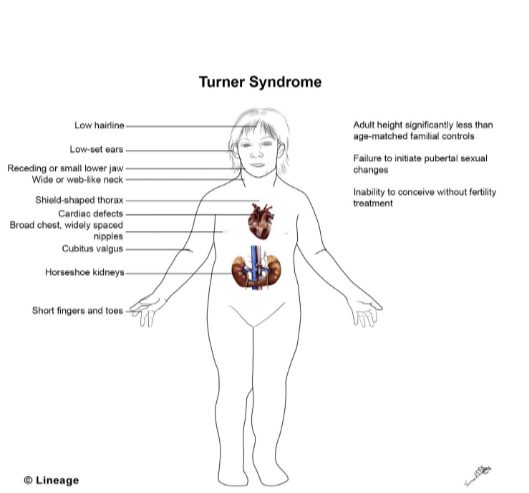
On November 20, the Food and Drug Administration approved Sogroya for girls aged 2.5 and older whose growth is stunted by Turner syndrome. It is the first once-weekly growth hormone cleared for that condition in the United States, and it replaces a routine of 365 injections a year with 52.

The approval rests on a 105-patient trial called REAL8. Novo's release reports girls on weekly Sogroya grew 8.9 centimeters a year against 9.7 on daily growth hormone; the peer-reviewed paper reports 9.0 and 9.5. The daily dose used in the trial, 0.05 mg/kg/day, was below the 0.067 mg/kg/day maximum US-labeled dose for Turner syndrome, so the comparison does not cover the higher doses some clinicians prescribe.

Why it matters

Turner syndrome families trade 365 injections a year for 52 while accepting slightly slower growth, a tradeoff that will shape the weekly hormone market.

Questions about this story

Free account needed to ask — your question is kept and asked for you right after sign-up. Answers are public.

No questions yet — be the first to ask.

Key Indicators

105
Girls enrolled in REAL8
Treatment-naïve, prepubertal girls aged 2.5 to 10 across 49 clinics in 18 countries.
52
Injections per year on weekly dosing
Down from 365 on daily growth hormone, or 313 injection-free days.
−0.8 cm/yr
Height velocity difference vs daily hormone
Estimated treatment difference at week 52; the FDA label gives a 95% interval of −1.58 to 0.07.
0.067 mg/kg/day
US maximum labeled daily dose for Turner syndrome
The trial's comparator arm used 0.05 mg/kg/day, below that ceiling.
+1.71
IGF-I standard deviation score on weekly dosing
Versus +1.95 on daily hormone at week 52; both groups rose from baseline.

Voices

Curated perspectives — historical figures and your fellow readers.

Sign up to generate historical perspectives on this story.

People Involved

Organizations Involved

Timeline

2020 November 2026

4 events Latest: 2 days ago
Tap a bar to jump to that date
  1. FDA approves Sogroya for Turner syndrome

    Latest Regulatory

    Once-weekly somapacitan becomes the first weekly growth hormone cleared for the condition in the US.

  2. REAL8 results published, noninferiority declared

    Research

    The Journal of Clinical Endocrinology & Metabolism publishes the 105-patient trial, reporting 9.0 vs 9.5 cm/year.

  3. Ascendis posts weekly hormone results in Turner syndrome

    Data

    A 49-patient Phase 2 trial shows 9.05 cm/year weekly vs 9.04 daily, with no confidence intervals released.

  4. Sogroya wins its first US approval

    Regulatory

    The FDA clears somapacitan for adults with growth hormone deficiency, the first of six indications.

Scenarios

1

European regulators follow the FDA on Turner syndrome

Likely Resolves by End of 2027

Discussed by: Novo Nordisk, which said decisions in the EU and Japan are still pending

Novo filed in Europe and Japan on the same REAL8 data. European approval would open a second large market and give the weekly product a claim to being the standard of care outside the US. A refusal, or a narrower label that excludes younger girls, would leave the US as the only place the indication exists.

2

Ascendis files its own weekly hormone for Turner syndrome

Possible Resolves by Q2 2029

Discussed by: Ascendis Pharma and trade coverage of the weekly hormone class

Ascendis has Phase 2 data and a Phase 3 basket trial running. A filing would turn Turner syndrome into a two-product weekly market and let payers negotiate between them. The company has not said when it will file, and its Phase 2 numbers came without confidence intervals.

3

Clinical guidance names weekly growth hormone for Turner syndrome

Uncertain Resolves by End of 2028

Discussed by: Pediatric endocrinology societies and researchers publishing on long-acting hormones

Guidelines still describe daily growth hormone as the default. A recommendation naming weekly dosing as an acceptable alternative would push adoption beyond families already seeking fewer injections. Adherence evidence remains thin, which is the main obstacle to that language.

Historical Context

2 moments from history that rhyme with this story — and how they unfolded.

1985

Recombinant growth hormone replaces cadaver-derived hormone (1985)

The FDA approved Genentech's Protropin, the first growth hormone made in bacteria rather than extracted from human pituitary glands. The change followed reports of Creutzfeldt-Jakob disease in people who had received the pituitary-derived product.

Then

Synthetic hormone replaced the cadaver-derived supply, removing infection risk and production limits.

Now

Growth hormone became abundant and routine, shifting the burden of treatment from supply to the frequency of injections.

Why this matters now

The problem Sogroya solves only exists because the drug itself became safe and plentiful. Competition moved to convenience.

2020

Somapacitan's first approval, for adults (2020)

The FDA cleared Sogroya for adults with growth hormone deficiency, giving US patients a once-weekly option for the first time. Pediatric indications followed over the next several years.

Then

Weekly dosing entered a market built on daily injections, initially for a small adult population.

Now

Novo extended the product across five pediatric short-stature conditions, with Turner syndrome the most recent.

Why this matters now

Turner syndrome is the fifth pediatric use added to a product that started with adults, showing how a dosing innovation spreads indication by indication.

Sources

(6)