

Pull to refresh
Logo
Oman's wealth fund completes seven national projects ahead of National Day

Oman's wealth fund completes seven national projects ahead of National Day

Built World

About $4.2 billion of polysilicon, solar cell, plastics and water projects move from construction into operation

Overview

Updated 1 hour ago

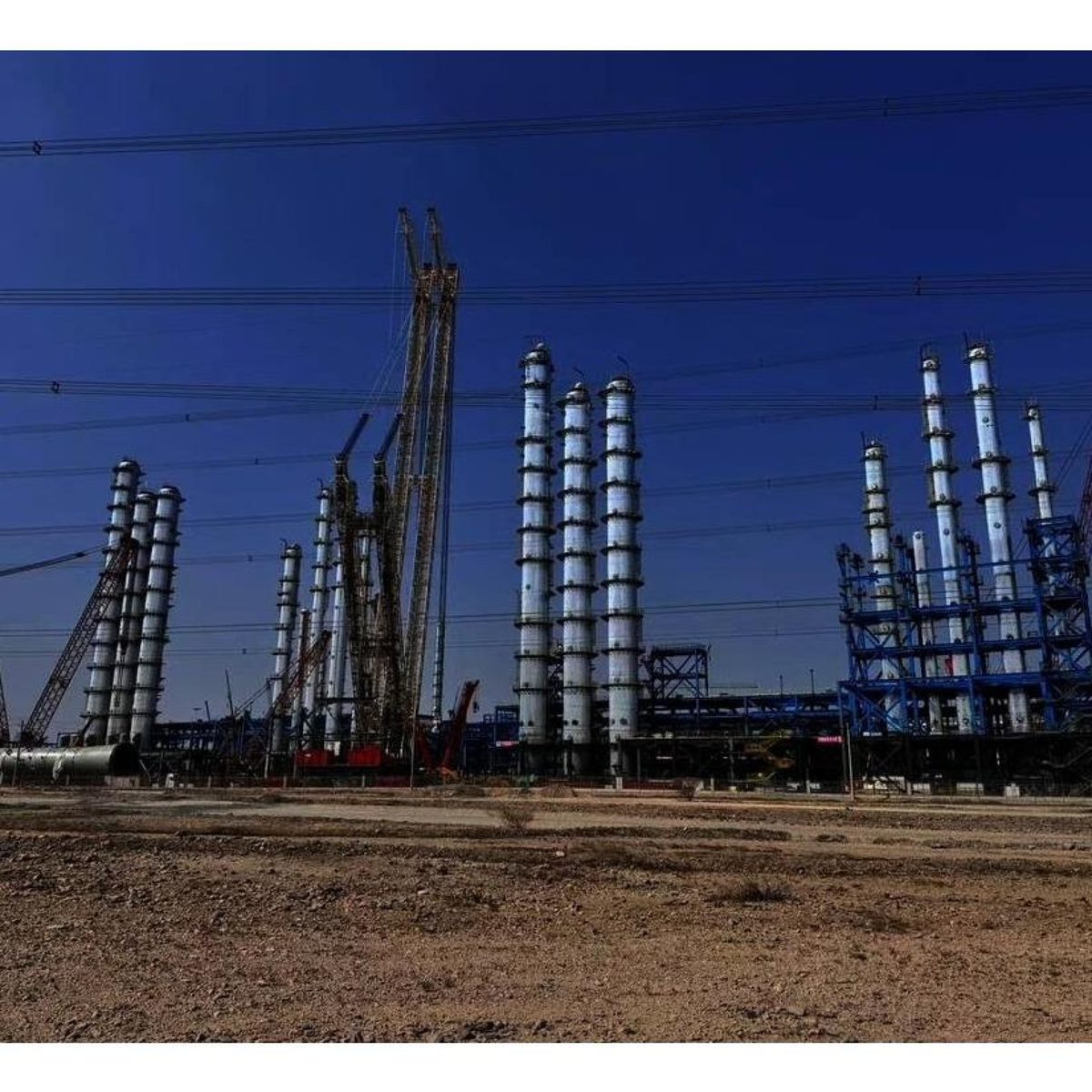
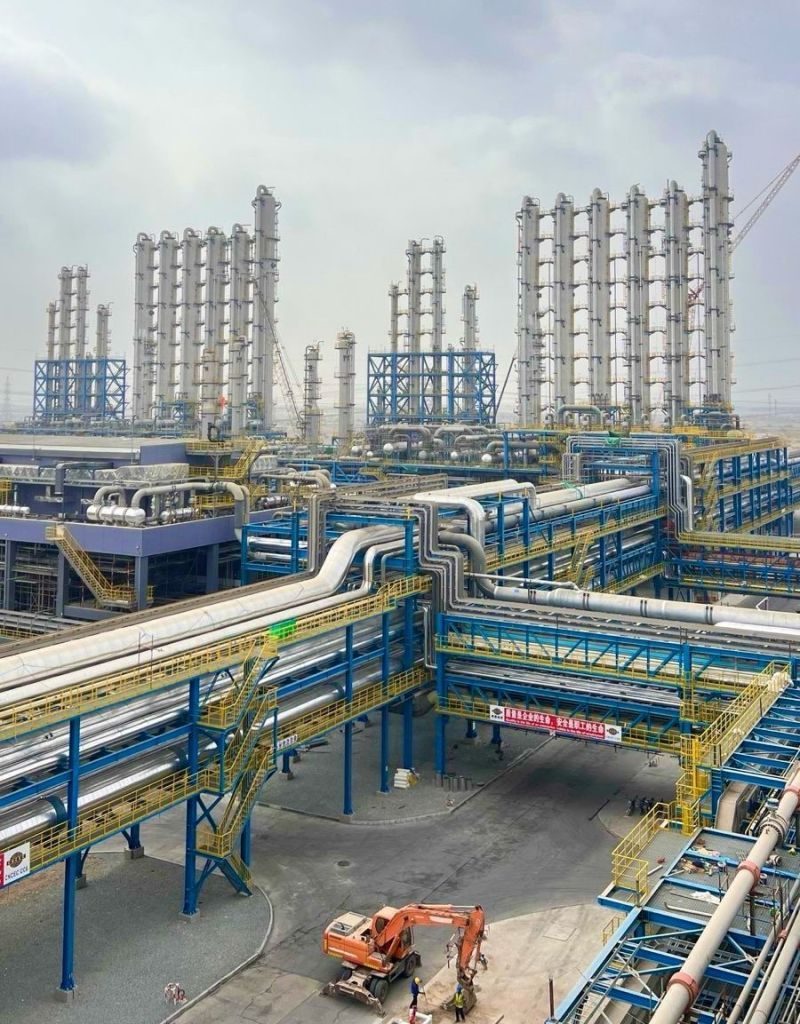
Oman's sovereign wealth fund has finished seven factories and utility networks costing 1.6 billion Omani rials, about $4.2 billion, and will open them one after another around National Day. The largest is a polysilicon plant in Sohar that makes the raw material for solar cells.

The portfolio has crossed from construction contracts into operating businesses, which is the harder part. Jobs, exports and local supply contracts now depend on whether the plants run near capacity in markets where Oman is a newcomer.

Why it matters

Oman is testing whether state-built factories can replace oil revenue. The test is whether they run at capacity, not whether they open.

Questions about this story

Free account needed to ask — your question is kept and asked for you right after sign-up. Answers are public.

No questions yet — be the first to ask.

Key Indicators

$4.16B
Total investment in the seven projects
Oman Investment Authority puts the combined cost at more than RO1.6 billion.
7
Projects completed
Two solar plants, a plastics cluster, a renewables portfolio and three water networks.
3,842
Jobs in announced operating plans
Sum of the job targets given for the polysilicon, solar cell, plastics and water projects.
327 MW
Rawafed renewable capacity
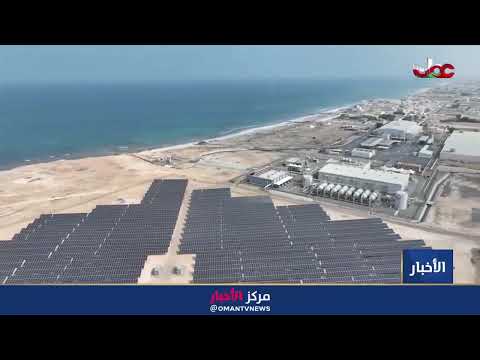
222MW of wind across Riyah-1 and Riyah-2, plus the 105MW North Oman Solar plant.
5
Governorates covered
Al Dakhiliyah, Al Batinah North, Al Wusta, Dhofar and Al Dhahirah.
34.6%
Public debt as share of GDP, 2025
Down from 65.9% in 2021, the fiscal room that made state project spending possible.

Voices

Curated perspectives — historical figures and your fellow readers.

Sign up to generate historical perspectives on this story.

People Involved

Organizations Involved

Timeline

August 2026 November 2026

4 events Latest: 2 days ago
Tap a bar to jump to that date
  1. National Day inaugurations begin

    Latest Milestone

    Oman marks National Day with a military parade, drone displays and the first project openings.

  2. OIA declares seven projects complete

    Announcement

    The authority reports RO1.6 billion of finished factories, renewables and water networks across five governorates.

  3. S&P affirms Oman's investment-grade rating

    Economy

    The rating agency holds Oman at investment grade after public debt fell to 34.6% of GDP.

  4. North Oman Solar enters commercial operation

    Infrastructure

    The 105MW plant, part of the Rawafed portfolio, becomes the first of the seven projects to run commercially.

Scenarios

1

Sohar polysilicon plant starts commercial production

Likely Resolves by Q2 2027

Discussed by: Oman Investment Authority, which says the portfolio has entered its operational phase

The RO668 million United Solar Polysilicon plant is the anchor of the whole package. If it reaches commercial output, Oman has a working position in the solar supply chain and a template for the other factories. The trigger is a production announcement from the operator or its state partners.

2

A second batch of national projects is unveiled at National Day 2027

Possible Resolves by Nov 30, 2027

Discussed by: OIA, which describes the completed assets as a base for further expansions

The authority has said it treats the seven completions as nuclei for follow-on investment rather than the end of the programme. Omani practice has been to time project announcements to National Day, so a repeat batch would confirm the model is being repeated rather than paused.

3

One of the seven projects reports a delay or reduced scope

Possible Resolves by End of 2027

Discussed by: No named forecaster; this is the standard failure mode for first-of-kind industrial plants

Opening a plant is not the same as running it at design capacity. A polysilicon or solar cell line can miss its ramp-up schedule, and a water network can slip its hookup targets. Any public acknowledgement of a delay, scope cut or cancelled phase would mark the first crack in the package.

Historical Context

3 moments from history that rhyme with this story — and how they unfolded.

1975-1980s

Jubail and Yanbu industrial cities, Saudi Arabia (1975 onward)

Saudi Arabia created the Royal Commission for Jubail and Yanbu in 1975 to build two industrial cities from scratch on the Gulf and Red Sea coasts. The state laid ports, roads and utilities, then leased plots to petrochemical plants that used its own oil and gas as feedstock.

Then

Heavy industry came online through the 1980s and gave the kingdom an export sector outside crude sales.

Now

The anchor-tenant model became the template for Gulf industrial zones, including Oman's own downstream plastics cluster.

Why this matters now

Ladayn Polymer Park follows the same logic at a smaller scale: state petrochemical feedstock piped into factories that make finished plastic goods.

2008-2020s

China's polysilicon buildout (2008 onward)

Chinese manufacturers built large polysilicon and wafer capacity with local government support, scaling until the country produced most of the world's supply. Prices fell sharply as capacity outran demand, squeezing producers outside China.

Then

Solar panels became cheap worldwide and installation boomed.

Now

The solar supply chain concentrated in China, leaving new entrants in Europe, India and the Gulf to compete against low-cost incumbents.

Why this matters now

Oman's new polysilicon plant enters that market as a small producer rather than a price setter.

2021-2025

India's solar manufacturing incentives (2021)

India launched a production-linked incentive scheme for high-efficiency solar modules to cut its reliance on imported panels. Subsidies went to manufacturers that built domestic lines and hit output targets.

Then

Module assembly capacity in India grew quickly.

Now

Upstream steps such as polysilicon and wafers lagged behind assembly, showing how much harder the chemical end of the chain is to localise.

Why this matters now

Oman is attempting the upstream step directly, rather than starting with panel assembly.

Sources

(7)